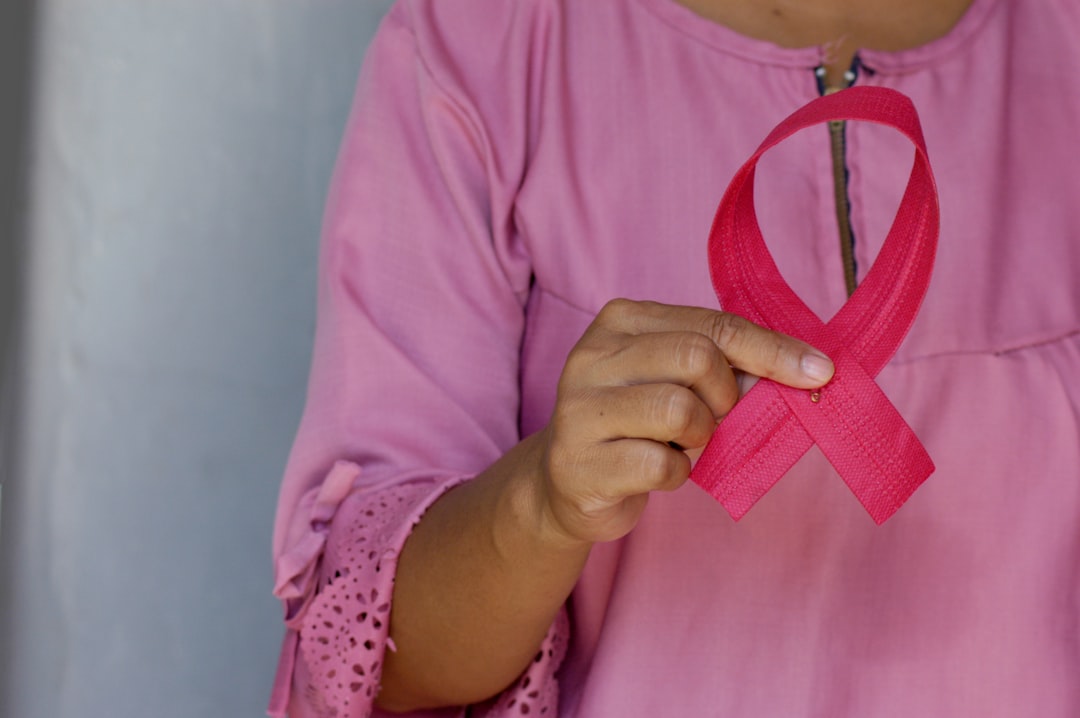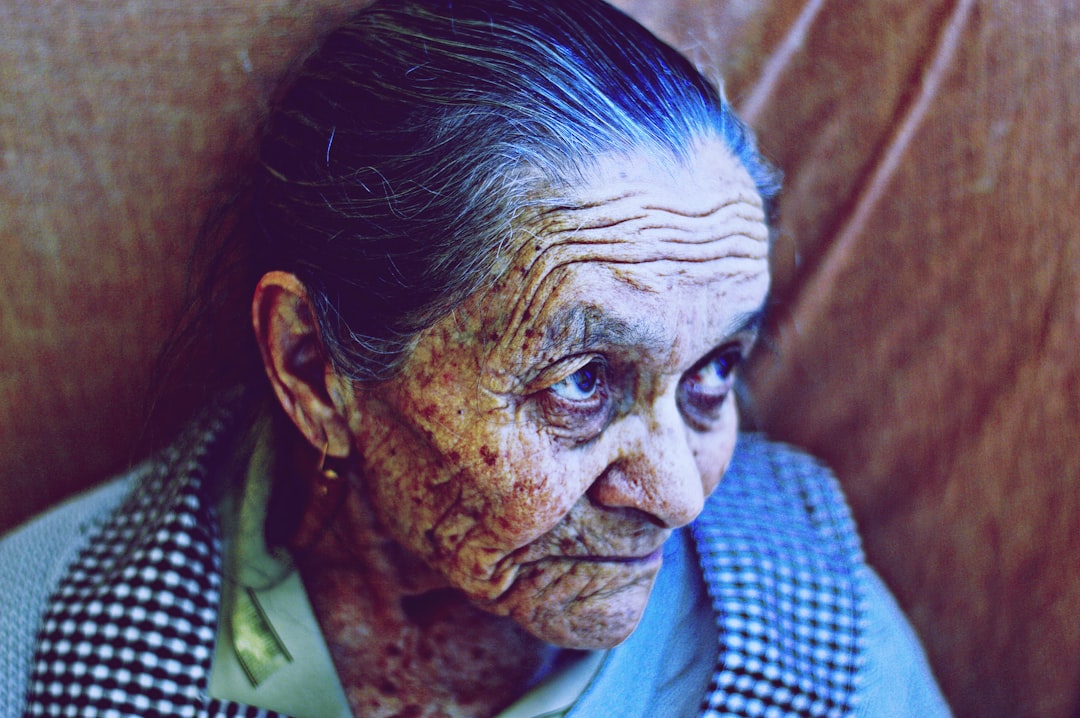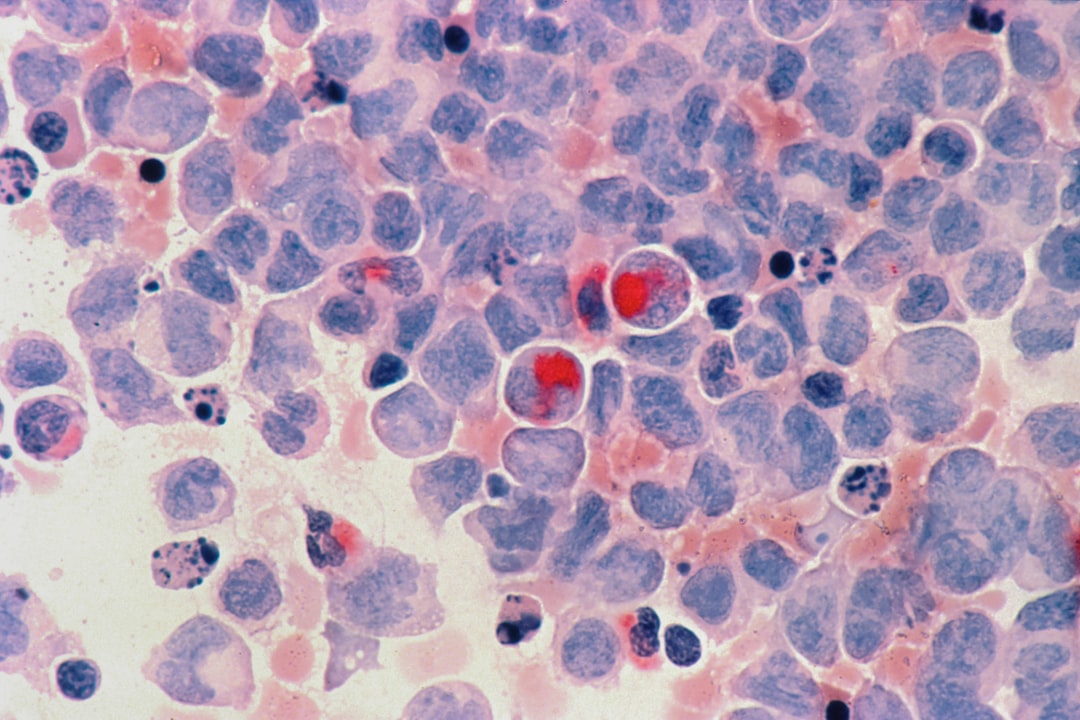
Cancer fatigue is a prevalent and frequently severe symptom affecting numerous individuals receiving cancer treatment. This condition differs from ordinary tiredness as it persists despite adequate rest and sleep. Cancer fatigue significantly impacts daily functioning, emotional stability, and overall quality of life.
Clinical studies demonstrate that approximately 70% of cancer patients experience fatigue during their treatment course (National Cancer Institute, 2021). Multiple factors contribute to cancer fatigue, including the malignancy itself, therapeutic interventions such as chemotherapy and radiation therapy, and psychological stress. For example, patients receiving chemotherapy may experience profound exhaustion resulting from both the direct physiological effects of cytotoxic medications and the psychological burden associated with their cancer diagnosis.
Recognizing the complex, multifactorial nature of cancer fatigue is essential for developing effective management strategies.
Key Takeaways
- Cancer fatigue is a common and complex symptom requiring careful understanding and management.
- Identifying personal triggers and activity patterns helps in effectively prioritizing and planning daily tasks.
- Incorporating regular exercise, relaxation techniques, and stress management can alleviate fatigue symptoms.
- Maintaining a balanced diet, adequate rest, and open communication with healthcare providers supports overall well-being.
- Seeking support from loved ones and exploring alternative therapies can enhance coping strategies and quality of life.
Identifying Triggers and Patterns
Recognizing what triggers fatigue can help individuals manage their energy levels better. Keeping a fatigue diary can be an effective strategy. By noting when fatigue occurs, its intensity, and any accompanying activities or emotions, patients can identify patterns.
For example, someone might notice they feel more fatigued after social interactions or certain physical activities. Additionally, understanding personal triggers can lead to better planning. If a patient realizes that they feel more tired after a specific treatment or activity, they can adjust their schedule accordingly.
This proactive approach allows individuals to conserve energy for essential tasks and enjoy moments of rest.
Prioritizing and Planning Activities

Effective time management can significantly alleviate feelings of fatigue. Prioritizing tasks helps individuals focus on what truly matters. For instance, someone might choose to tackle household chores in the morning when they feel more energetic and save less critical tasks for later in the day.
Creating a daily or weekly plan can also provide structure. By breaking down larger tasks into smaller, manageable steps, individuals can avoid feeling overwhelmed. For example, instead of planning to clean the entire house in one day, one might focus on one room at a time.
This approach not only conserves energy but also provides a sense of accomplishment.
Incorporating Exercise and Physical Activity
While it may seem counterintuitive, incorporating light exercise can help combat cancer fatigue. Studies show that regular physical activity can improve energy levels and overall well-being (American Cancer Society, 2022). Simple activities like walking or gentle stretching can make a significant difference.
Starting small is key. A short walk around the block or a few minutes of stretching can be beneficial. Gradually increasing activity levels as energy permits can lead to improved stamina over time.
For example, someone might start with five minutes of walking each day and gradually increase to 20 minutes as they feel more capable.
Utilizing Relaxation Techniques
| Metric | Description | Typical Range/Value | Source/Notes |
|---|---|---|---|
| Prevalence | Percentage of cancer patients experiencing fatigue | 30% – 90% | Varies by cancer type and treatment phase |
| Severity Score (Brief Fatigue Inventory) | Patient-reported fatigue severity on a scale of 0-10 | Mean scores often range 4-7 during treatment | Commonly used clinical assessment tool |
| Duration | Length of fatigue symptoms post-treatment | Weeks to months; sometimes >1 year | Depends on treatment type and individual factors |
| Impact on Quality of Life | Reduction in physical and mental functioning | Up to 50% decrease in activity levels reported | Measured by questionnaires like FACT-F |
| Common Contributing Factors | Causes linked to cancer fatigue | Inflammation, anemia, sleep disturbance, depression | Multifactorial etiology |
| Response to Exercise Intervention | Improvement in fatigue symptoms after exercise | 10-30% reduction in fatigue scores | Supported by multiple clinical trials |
Relaxation techniques can play a vital role in managing cancer fatigue. Practices such as deep breathing, meditation, or yoga can help reduce stress and promote relaxation. These techniques encourage mindfulness and allow individuals to focus on the present moment, which can alleviate feelings of anxiety.
For instance, taking just five minutes to practice deep breathing can create a sense of calm. Inhale deeply through the nose, hold for a moment, and exhale slowly through the mouth. This simple exercise can help clear the mind and recharge energy levels.
Seeking Support from Loved Ones

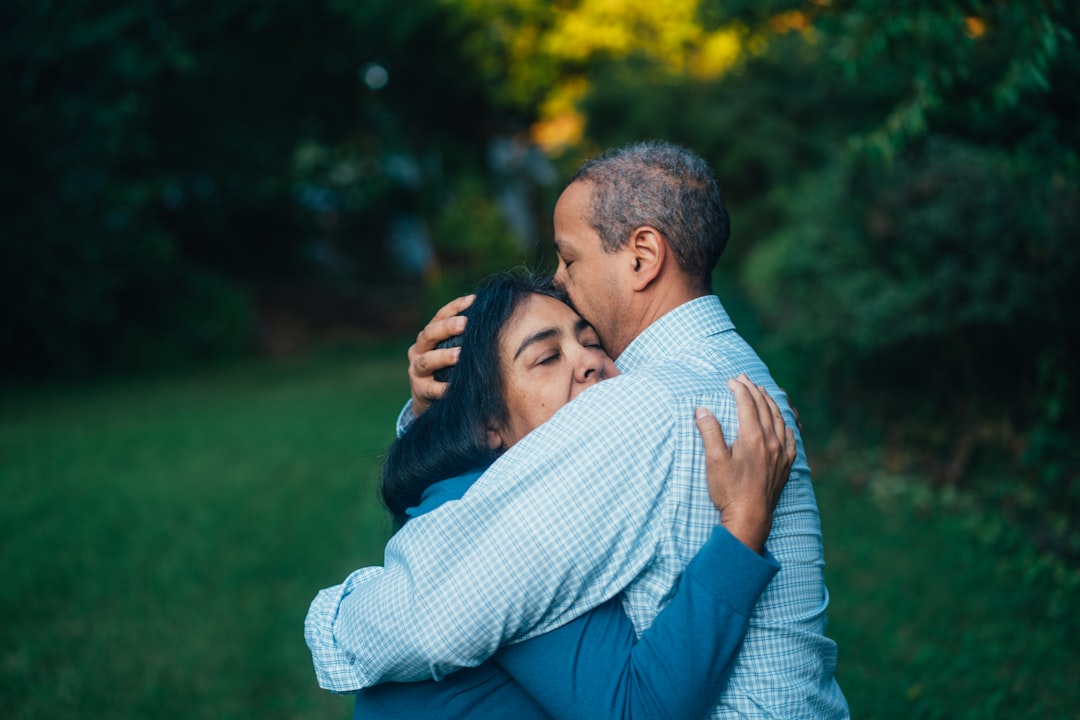
Support from family and friends is invaluable during cancer treatment. Sharing feelings and experiences with loved ones can provide emotional relief and reduce feelings of isolation. A simple conversation over coffee or a phone call can make a significant difference in mood.
Encouraging loved ones to participate in activities can also foster connection. Whether it’s going for a walk together or cooking a meal, these shared experiences can uplift spirits and provide much-needed companionship. It’s essential to communicate needs openly; friends and family often want to help but may not know how.
Managing Stress and Anxiety
Stress and anxiety can exacerbate feelings of fatigue. Finding effective ways to manage these emotions is crucial for overall well-being. Techniques such as journaling or engaging in hobbies can provide an outlet for stress relief.
For example, writing down thoughts and feelings in a journal can help clarify emotions and reduce anxiety. Alternatively, immersing oneself in a favorite hobby—like painting or gardening—can serve as a distraction from worries and promote relaxation.
Maintaining a Balanced Diet
Nutrition plays a significant role in managing cancer fatigue. A balanced diet rich in fruits, vegetables, whole grains, and lean proteins provides essential nutrients that support energy levels. Foods high in antioxidants, such as berries and leafy greens, can also help combat oxidative stress caused by cancer treatments (World Health Organization, 2021).
Staying hydrated is equally important. Dehydration can lead to increased fatigue, so drinking plenty of water throughout the day is essential. For example, keeping a water bottle nearby can serve as a reminder to stay hydrated.
Getting Adequate Rest and Sleep
Quality sleep is vital for combating cancer fatigue. Establishing a regular sleep routine can improve sleep quality significantly. Going to bed and waking up at the same time each day helps regulate the body’s internal clock.
Creating a restful environment also promotes better sleep. This includes keeping the bedroom dark, quiet, and cool. Limiting screen time before bed can also help signal to the body that it’s time to wind down.
Communicating with Healthcare Providers
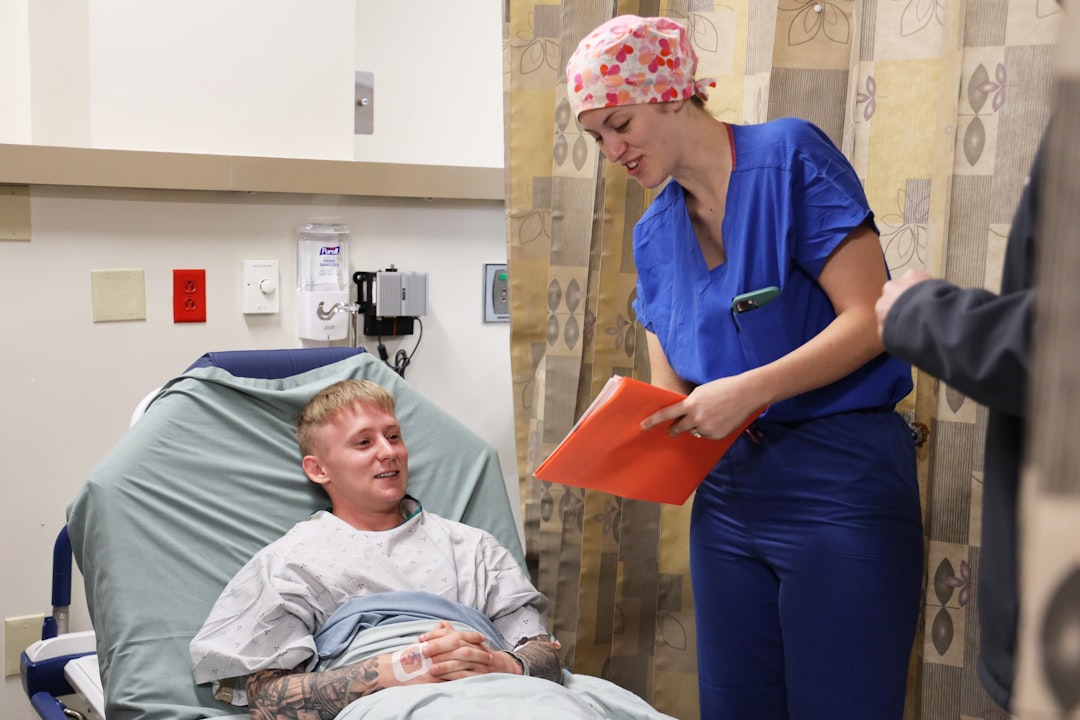
Open communication with healthcare providers is crucial for managing cancer fatigue effectively. Patients should feel empowered to discuss their symptoms openly. Healthcare professionals can offer tailored advice and may suggest interventions such as medication adjustments or referrals to specialists.
Regular check-ins with healthcare providers also allow for monitoring changes in fatigue levels over time. This ongoing dialogue ensures that patients receive the support they need throughout their treatment journey.
Exploring Alternative Therapies and Treatments
Many individuals find relief from cancer fatigue through alternative therapies. Practices such as acupuncture, massage therapy, or aromatherapy have shown promise in reducing fatigue symptoms (National Center for Complementary and Integrative Health, 2022). Before trying any alternative therapies, it’s essential to discuss them with healthcare providers.
They can provide guidance on safe practices that complement traditional treatments without interfering with medical care. In conclusion, managing cancer fatigue requires a multifaceted approach that includes understanding its nature, identifying triggers, prioritizing activities, incorporating exercise, utilizing relaxation techniques, seeking support, managing stress, maintaining nutrition, ensuring adequate rest, communicating with healthcare providers, and exploring alternative therapies. By taking proactive steps and seeking support from loved ones and professionals alike, individuals can navigate this challenging symptom more effectively and improve their overall quality of life during treatment.
FAQs
What is cancer-related fatigue?
Cancer-related fatigue is a persistent, overwhelming sense of tiredness or exhaustion that is not relieved by rest and is commonly experienced by cancer patients during and after treatment.
What causes cancer fatigue?
Cancer fatigue can be caused by the cancer itself, treatments such as chemotherapy, radiation, or surgery, anemia, pain, emotional distress, poor nutrition, and lack of physical activity.
How common is fatigue among cancer patients?
Fatigue is one of the most common symptoms reported by cancer patients, affecting up to 80-90% of individuals undergoing treatment.
How is cancer fatigue different from normal tiredness?
Unlike normal tiredness, cancer fatigue is more severe, lasts longer, and is not usually relieved by sleep or rest. It can significantly impact daily activities and quality of life.
Can cancer fatigue be treated or managed?
Yes, cancer fatigue can often be managed through a combination of approaches including physical activity, proper nutrition, managing symptoms like pain or depression, and sometimes medications.
Should I talk to my doctor if I experience fatigue during cancer treatment?
Absolutely. It is important to discuss fatigue with your healthcare team as they can help identify underlying causes and recommend appropriate interventions.
Is exercise recommended for managing cancer fatigue?
Yes, moderate physical activity, such as walking or light aerobic exercise, has been shown to help reduce cancer-related fatigue in many patients.
Can emotional support help with cancer fatigue?
Emotional support, counseling, and stress management techniques can be beneficial since psychological factors like anxiety and depression can worsen fatigue.
Does cancer fatigue improve after treatment ends?
For many patients, fatigue improves gradually after treatment, but some may experience long-term fatigue that requires ongoing management.
Are there any medications specifically for cancer-related fatigue?
There are no FDA-approved medications specifically for cancer fatigue, but doctors may prescribe treatments to address contributing factors such as anemia or depression.