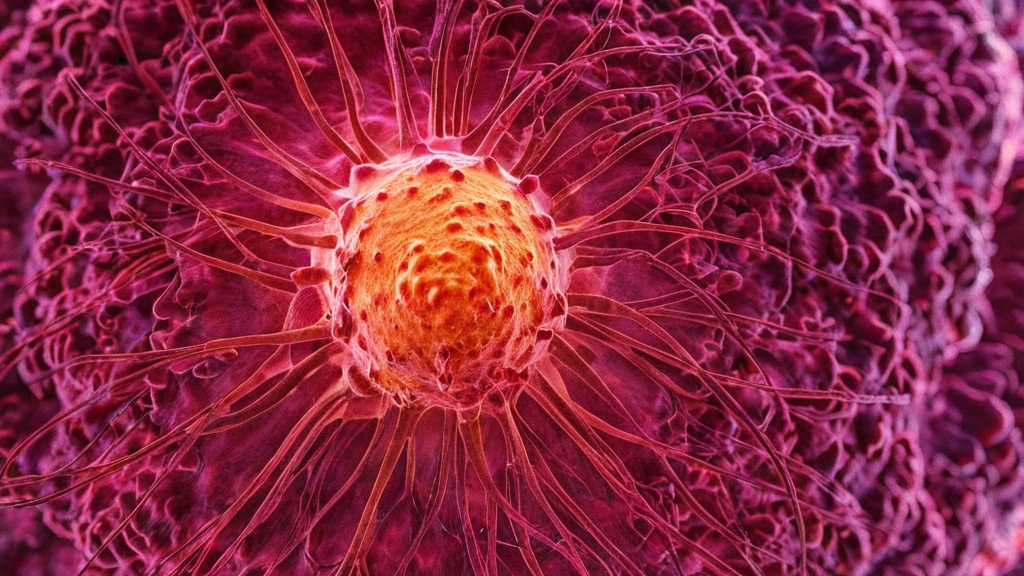

Cancer remains one of the most feared diseases worldwide. With its complex nature, many misconceptions surround it. These myths can lead to confusion, fear, and even stigma.
Understanding the facts about cancer is crucial for informed discussions and decisions regarding health. This article aims to debunk common cancer myths while highlighting the facts. By clarifying these misconceptions, we can foster a more supportive environment for those affected by cancer.
Knowledge empowers individuals to make better choices and support loved ones facing this challenging journey.
Key Takeaways
- Cancer is not always a death sentence; many types are treatable and survivable.
- Cancer is not contagious and cannot be spread through touch or contact.
- People of all ages, not just older adults, can develop cancer.
- Cancer arises from multiple causes, including genetic and environmental factors.
- Evidence-based medical treatments are the most effective way to treat cancer, not alternative therapies.
Myth: Cancer is always a death sentence
One of the most pervasive myths about cancer is that it inevitably leads to death. This belief can create unnecessary fear and anxiety for patients and their families. While cancer can be a serious illness, it is not always fatal.
Many people live long, fulfilling lives after a cancer diagnosis. For instance, breast cancer has a five-year survival rate of over 90% when detected early. This statistic illustrates that many individuals can overcome cancer with timely treatment.
The perception that cancer is a death sentence can discourage people from seeking help or discussing their concerns openly.
Fact: Many cancers are treatable and survivable

The reality is that many cancers are highly treatable and even curable. Advances in medical research have led to improved detection methods and treatment options. For example, early-stage prostate cancer often has a high survival rate, with many men living decades after diagnosis.
Moreover, treatments like chemotherapy, radiation, and immunotherapy have transformed cancer care. These therapies can effectively target cancer cells while minimizing damage to healthy tissue. As a result, many patients experience remission and return to their normal lives.
Myth: Cancer is contagious
Another common myth is that cancer can spread from person to person, similar to an infectious disease. This misconception can lead to social isolation for those diagnosed with cancer. In reality, cancer is not contagious; it cannot be transmitted through touch, sharing food, or being in close proximity to someone with the disease.
For example, if a friend is diagnosed with cancer, you cannot catch it from them like you would a cold or flu. Understanding this fact can help reduce stigma and encourage supportive relationships for those affected by cancer.
Fact: Cancer is not spread through touch or contact
| Myth | Fact |
|---|---|
| Cancer is always fatal. | Many cancers are treatable and some are curable, especially when detected early. |
| Only smokers get lung cancer. | Non-smokers can also develop lung cancer due to factors like secondhand smoke and environmental exposures. |
| Cancer is contagious. | Cancer is not contagious and cannot be spread from person to person. |
| Using deodorant causes breast cancer. | There is no scientific evidence linking deodorant use to breast cancer. |
| Cell phones cause brain cancer. | Current research does not support a direct link between cell phone use and brain cancer. |
| Cancer only affects older people. | Cancer can affect people of all ages, including children and young adults. |
| Eating sugar causes cancer to grow faster. | While cancer cells consume glucose, there is no evidence that eating sugar directly causes cancer growth. |
| Biopsies can spread cancer. | Biopsies are safe and necessary for diagnosis; they do not spread cancer. |
Cancer develops from changes in the DNA of cells, often due to genetic mutations or environmental factors. These changes are not infectious and do not spread between individuals. Public health organizations, such as the American Cancer Society, emphasize that there is no risk of contracting cancer through casual contact.
This knowledge can help friends and family members feel more comfortable supporting their loved ones during treatment. It also encourages open conversations about cancer without fear of misunderstanding or stigma.
Myth: Only older people get cancer
Many people believe that cancer primarily affects older adults. While age is a significant risk factor, it is not the only one. Cancer can develop in individuals of all ages, including children and young adults.
For instance, leukemia is one of the most common cancers in children. Statistics show that about 1 in 285 children will be diagnosed with cancer before age 20.
By recognizing that cancer can affect anyone, we can promote early detection and intervention across all age groups.
Fact: Cancer can affect people of all ages
Cancer does not discriminate based on age. Young adults may face unique challenges when diagnosed with cancer, including fertility concerns and career disruptions. Awareness campaigns often focus on adult cancers, but pediatric cancers deserve equal attention.
For example, the survival rates for childhood cancers have improved significantly over the past few decades due to advancements in treatment. Organizations like St. Jude Children’s Research Hospital work tirelessly to provide care and support for young patients and their families.
Myth: Cancer is caused by a single factor
Many people believe that a single cause leads to cancer, such as smoking or poor diet. While these factors contribute to cancer risk, the reality is much more complex. Cancer often arises from a combination of genetic predispositions and environmental influences.
For instance, lung cancer is strongly associated with smoking, but not all smokers develop the disease. Genetic factors also play a role; some individuals may inherit mutations that increase their susceptibility to certain cancers. Understanding this multifactorial nature of cancer can help individuals make informed lifestyle choices.
Fact: Cancer can have multiple causes, including genetic and environmental factors
Research shows that various factors contribute to cancer development. These include lifestyle choices like diet and exercise, exposure to carcinogens, and genetic mutations inherited from parents. The interplay between these factors makes it essential to consider a holistic approach to prevention.
For example, maintaining a healthy weight, eating a balanced diet rich in fruits and vegetables, and avoiding tobacco can lower cancer risk. Regular screenings also play a crucial role in early detection, allowing for timely intervention when necessary.
Myth: Alternative treatments can cure cancer
Some individuals turn to alternative treatments in hopes of curing their cancer. While complementary therapies may provide relief from symptoms or improve quality of life, they should not replace evidence-based medical treatments. Relying solely on alternative methods can delay effective care and worsen outcomes.
For instance, some patients may seek herbal remedies or special diets instead of chemotherapy or radiation therapy. While these approaches may offer comfort, they lack scientific backing as standalone cures for cancer.
Fact: Evidence-based medical treatments are the most effective for cancer treatment
Evidence-based medicine remains the gold standard for treating cancer. Treatments like surgery, chemotherapy, radiation therapy, and immunotherapy have undergone rigorous testing in clinical trials. These methods have proven effective in targeting cancer cells while preserving healthy tissue.
Patients should consult healthcare professionals to discuss treatment options tailored to their specific diagnosis and needs. Combining conventional treatments with supportive therapies can enhance overall well-being during the treatment process. In conclusion, understanding the facts about cancer helps dispel myths that can lead to fear and misinformation.
By recognizing that many cancers are treatable and survivable, we can foster hope and support for those affected by this disease. Awareness of how cancer develops and spreads also encourages open conversations and reduces stigma.
This understanding allows us to make informed decisions about prevention, treatment, and support for those facing a cancer diagnosis.