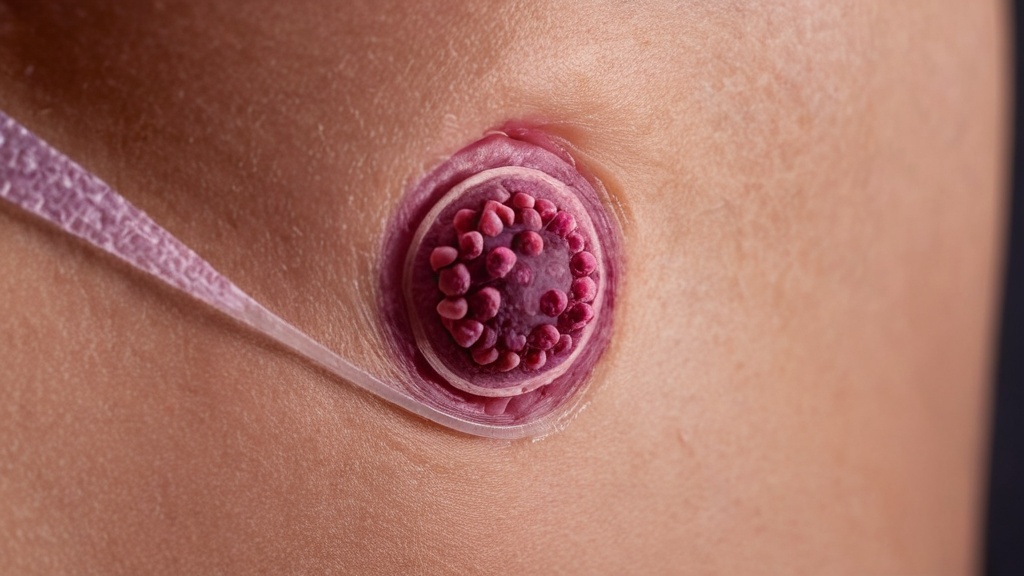
Skin cancer is the most common type of cancer in the United States. It primarily arises from the skin’s outer layer, known as the epidermis. The three main types of skin cancer are basal cell carcinoma (BCC), squamous cell carcinoma (SCC), and melanoma. Each type has distinct characteristics and varying levels of severity.
Basal cell carcinoma is the most prevalent form, accounting for about 80% of skin cancer cases. It typically appears as a small, shiny bump or a pink patch on sun-exposed areas. Squamous cell carcinoma, on the other hand, often manifests as a firm, red nodule or a scaly patch. Melanoma is the least common but the most aggressive type, originating from melanocytes, the cells that produce pigment. Understanding these types helps in recognizing symptoms and seeking timely treatment.
Key Takeaways
- Skin cancer includes various types such as basal cell carcinoma, squamous cell carcinoma, and melanoma, each with distinct characteristics.
- Early detection through recognizing symptoms, mole changes, and the ABCDEs of melanoma is crucial for effective treatment.
- Risk factors include sun exposure, genetics, and skin type, highlighting the need for sun safety and protection.
- Regular skin checks and prompt medical attention for suspicious changes significantly improve outcomes.
- Understanding and acting on early signs of skin cancer can lead to timely treatment and better prognosis.
Identifying Common Symptoms of Skin Cancer
Recognizing the symptoms of skin cancer can be crucial for early detection. Common signs include new growths or sores that do not heal, changes in existing moles, or unusual skin lesions. For instance, a mole that suddenly changes color or size may warrant further investigation.
Other symptoms can include itching, tenderness, or pain in a specific area of the skin. If you notice any persistent changes, it’s essential to consult a healthcare professional. Early identification can significantly improve treatment outcomes and reduce complications.
Recognizing Changes in Moles and Skin Lesions
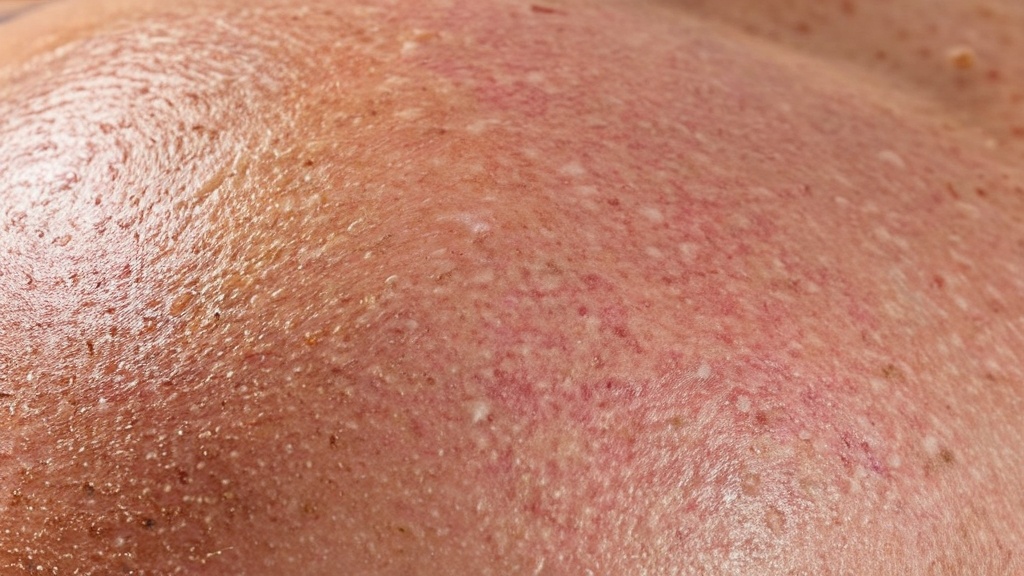
Moles and skin lesions can change over time, and it’s important to monitor these changes closely. A mole that becomes asymmetrical or has irregular borders may indicate a problem. For example, if one half of a mole looks different from the other, it could be a warning sign.
Additionally, changes in color—such as darkening or the appearance of multiple colors—can also be concerning. If a mole becomes larger than a pencil eraser or starts to bleed, it’s time to seek medical advice. Regular self-examinations can help you stay aware of any changes.
Knowing the Risk Factors for Skin Cancer
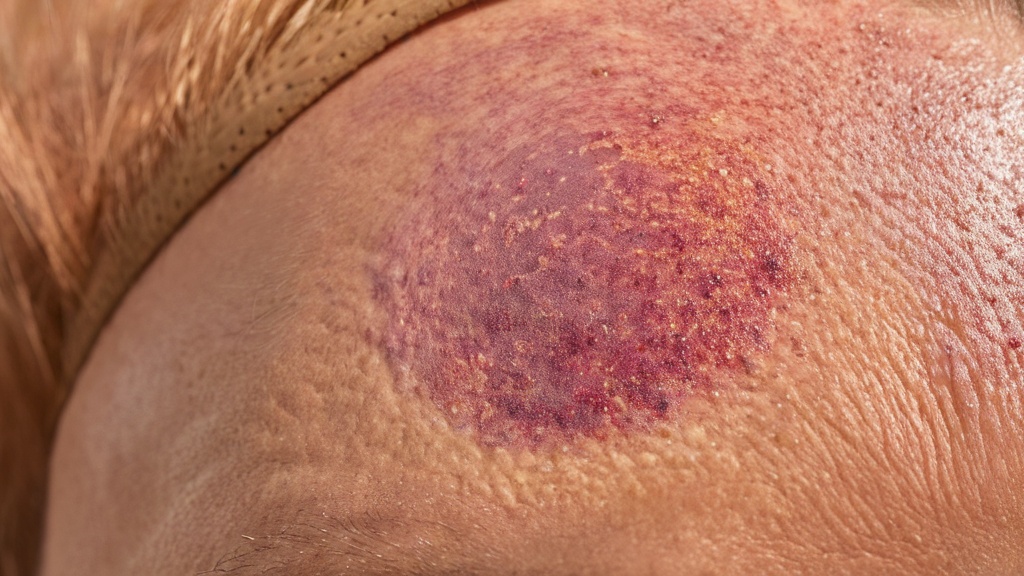
Several risk factors can increase your likelihood of developing skin cancer. One of the most significant is exposure to ultraviolet (UV) radiation from the sun or tanning beds. For instance, individuals who spend long hours outdoors without protection are at higher risk.
Other factors include having fair skin, light-colored eyes, and a family history of skin cancer. Age also plays a role; older adults are generally more susceptible due to cumulative sun exposure over their lifetime. Understanding these risk factors can help you take preventive measures.
Understanding the Importance of Regular Skin Checks
| Sign | Description | Common Type of Skin Cancer | Recommended Action |
|---|---|---|---|
| Asymmetry | One half of the mole or spot does not match the other half. | Melanoma | Consult a dermatologist for evaluation. |
| Border Irregularity | Edges are ragged, notched, or blurred. | Melanoma | Seek medical advice promptly. |
| Color Variation | Multiple colors such as brown, black, tan, red, white, or blue. | Melanoma | Schedule a skin check with a healthcare provider. |
| Diameter | Spot is larger than 6 millimeters (about the size of a pencil eraser). | Melanoma | Monitor and get professional assessment. |
| Evolution | Changes in size, shape, color, or symptoms such as itching or bleeding. | All types | Immediate medical evaluation recommended. |
| New Growth | Appearance of a new mole or spot on the skin. | Basal Cell Carcinoma, Squamous Cell Carcinoma | Have it examined by a dermatologist. |
| Non-healing Sore | A sore that does not heal within a few weeks. | Squamous Cell Carcinoma | Seek medical attention for biopsy. |
| Redness or Swelling | Beyond the border of a mole or spot. | Basal Cell Carcinoma | Consult a healthcare professional. |
Regular skin checks are vital for early detection of skin cancer. Dermatologists recommend performing self-exams monthly and scheduling professional check-ups annually, especially if you have risk factors. During a self-exam, look for new growths or changes in existing moles.
Professional skin checks involve a thorough examination by a dermatologist who can identify suspicious areas that may require further testing. These checks can lead to early diagnosis and treatment, significantly improving outcomes.
Recognizing the ABCDEs of Melanoma
The ABCDE rule is a helpful guideline for identifying potential melanoma. “A” stands for asymmetry; if one half of a mole doesn’t match the other, it could be concerning. “B” refers to irregular borders; moles with jagged edges should be examined.
“C” stands for color variation; moles with multiple colors or uneven distribution may be problematic. “D” indicates diameter; moles larger than 6mm should be evaluated. Finally, “E” represents evolving; any change in size, shape, or color over time is a red flag. Keeping these criteria in mind can aid in early detection.
Identifying the Differences Between Basal Cell Carcinoma, Squamous Cell Carcinoma, and Melanoma
Basal cell carcinoma typically appears as a small, pearly bump or a flat lesion with a scaly surface. It usually grows slowly and rarely spreads to other parts of the body. Squamous cell carcinoma may present as a firm red nodule or a scaly patch that can become crusty or bleed.
Melanoma is more aggressive and can develop anywhere on the body, often from existing moles. It may appear as an irregularly shaped dark spot or a new growth that changes over time. Understanding these differences can help you recognize symptoms and seek appropriate care.
Recognizing the Importance of Sun Safety and Protection
Sun safety is crucial in preventing skin cancer. Wearing sunscreen with at least SPF 30 can protect your skin from harmful UV rays. Apply it generously and reapply every two hours when outdoors, especially after swimming or sweating.
Wearing protective clothing, such as long sleeves and wide-brimmed hats, can also shield your skin from sun exposure. Seeking shade during peak sun hours (10 AM to 4 PM) further reduces your risk. Simple lifestyle changes can make a significant difference in your overall skin health.
Understanding the Role of Genetics in Skin Cancer
Genetics can play a significant role in an individual’s risk for developing skin cancer. Certain inherited conditions, such as xeroderma pigmentosum or familial atypical mole-malignant melanoma syndrome, increase susceptibility to skin cancer.
Even without these conditions, having a family history of skin cancer can elevate your risk. If you have relatives who have been diagnosed with skin cancer, consider discussing this with your healthcare provider to understand your risk better and explore preventive measures.
Recognizing the Importance of Seeking Medical Attention for Suspicious Skin Changes
If you notice any suspicious changes in your skin, don’t hesitate to seek medical attention. Early intervention is key to successful treatment outcomes. For example, if you find a new mole that looks different from others or notice changes in an existing one, schedule an appointment with your dermatologist.
Healthcare professionals can perform biopsies or other tests to determine if a lesion is cancerous. Prompt action can lead to early diagnosis and treatment, which are crucial for effective management of skin cancer.
Knowing the Importance of Early Detection and Treatment of Skin Cancer
Early detection significantly improves the prognosis for individuals diagnosed with skin cancer. When caught in its initial stages, many forms of skin cancer are highly treatable and have excellent survival rates. For instance, basal cell carcinoma often requires only minor surgical procedures for removal.
In contrast, advanced melanoma can be more challenging to treat and may require more aggressive interventions like chemotherapy or immunotherapy. Regular check-ups and self-examinations empower individuals to take charge of their skin health and catch potential issues early on.
In conclusion, understanding skin cancer’s various aspects—from types and symptoms to risk factors and prevention—can empower individuals to take proactive steps toward their health. Regular monitoring and sun safety practices are essential components in reducing risk and ensuring early detection when necessary. By staying informed and vigilant, you can play an active role in protecting your skin health for years to come.
FAQs
What are the common signs of skin cancer?
Common signs of skin cancer include new growths or sores that do not heal, changes in existing moles such as asymmetry, irregular borders, multiple colors, diameter larger than 6mm, and evolving shape or size. Other signs include redness, swelling, itching, tenderness, or pain in a spot on the skin.
How can I differentiate between a harmless mole and a potentially cancerous one?
The ABCDE rule helps differentiate: Asymmetry (one half unlike the other), Border irregularity, Color variation, Diameter greater than 6mm, and Evolving size, shape, or color. Moles exhibiting these characteristics should be evaluated by a healthcare professional.
Are there different types of skin cancer with distinct signs?
Yes, the main types are basal cell carcinoma, squamous cell carcinoma, and melanoma. Basal cell carcinoma often appears as a pearly or waxy bump, squamous cell carcinoma may look like a firm red nodule or a scaly patch, and melanoma typically presents as a dark, irregularly shaped mole or spot.
When should I see a doctor about a suspicious skin lesion?
You should see a doctor if you notice any new, changing, or unusual skin lesions, especially if they bleed, itch, or do not heal. Early evaluation is crucial for effective treatment of skin cancer.
Can skin cancer signs appear anywhere on the body?
Yes, skin cancer can develop on any part of the body, including areas not commonly exposed to the sun. However, it most frequently appears on sun-exposed areas such as the face, neck, arms, and hands.