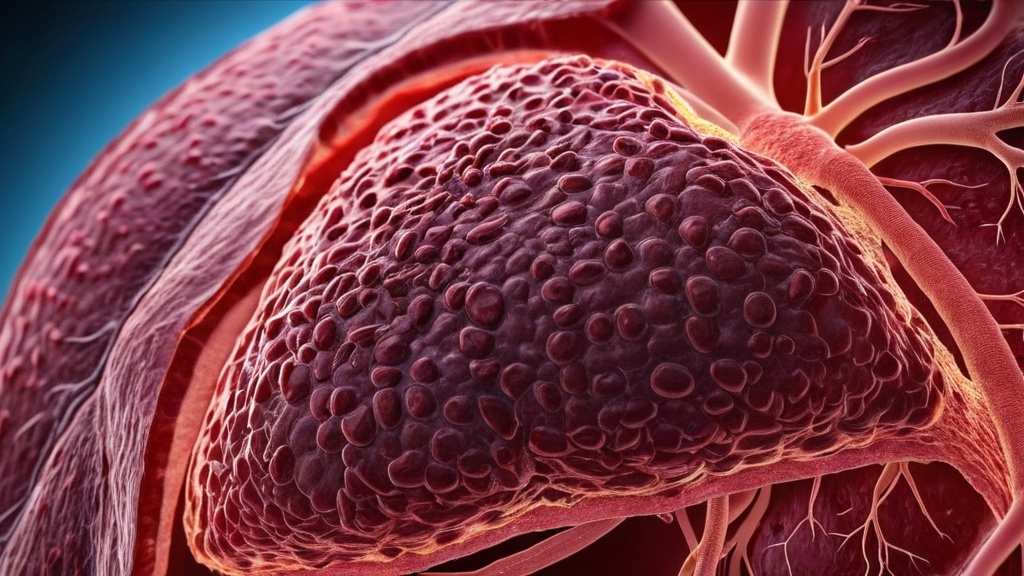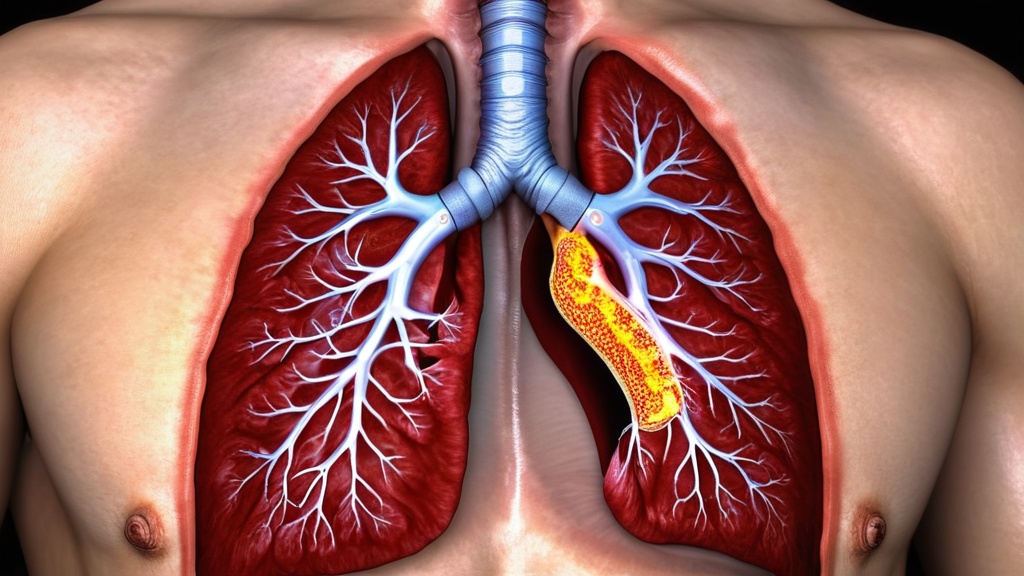

Pancreatic cancer occurs when cells in the pancreas grow uncontrollably. The pancreas is a vital organ located behind the stomach, responsible for producing enzymes that aid digestion and hormones like insulin that regulate blood sugar levels. This type of cancer often goes undetected until it reaches advanced stages, making it particularly challenging to treat. According to the American Cancer Society, pancreatic cancer is the third leading cause of cancer-related deaths in the United States.
The prognosis for pancreatic cancer can be grim. The five-year survival rate is around 10%, primarily due to late diagnosis. Early detection is crucial for improving outcomes, but symptoms often do not appear until the disease has progressed. Understanding the nature of pancreatic cancer and its symptoms can empower individuals to seek medical advice sooner, potentially leading to earlier intervention.
Key Takeaways
- Pancreatic cancer risk increases with factors like smoking, family history, and chronic pancreatitis.
- Early symptoms are often subtle, including unexplained weight loss and abdominal pain.
- Jaundice and changes in stool can indicate bile duct obstruction caused by the tumor.
- New-onset diabetes may be an early warning sign of pancreatic cancer.
- Prompt medical evaluation is crucial if symptoms like persistent abdominal pain or jaundice appear.
Risk Factors for Pancreatic Cancer
Several risk factors can increase the likelihood of developing pancreatic cancer. Age is a significant factor; most cases occur in individuals over 65. Lifestyle choices also play a role. Smoking, for instance, doubles the risk of developing this type of cancer. A study published in the Journal of the National Cancer Institute found that smokers are 74% more likely to develop pancreatic cancer than non-smokers.
Obesity and a sedentary lifestyle can also contribute to risk. Excess body weight increases inflammation and insulin resistance, both of which may promote cancer development. Additionally, a family history of pancreatic cancer or genetic syndromes like BRCA mutations can elevate risk levels. Understanding these factors can help individuals make informed lifestyle choices and discuss their risks with healthcare providers.
Common Early Symptoms of Pancreatic Cancer
Recognizing early symptoms of pancreatic cancer can be challenging, as they often mimic other conditions. However, being aware of these signs can lead to earlier diagnosis and treatment. Common early symptoms include unexplained weight loss, jaundice, abdominal pain, changes in stool, loss of appetite, nausea, vomiting, and new-onset diabetes.
For example, someone might initially dismiss abdominal discomfort as indigestion or stress. However, if these symptoms persist or worsen, it’s essential to consult a healthcare professional. Early detection can significantly impact treatment options and outcomes.
Unexplained Weight Loss
Unexplained weight loss is one of the most common early signs of pancreatic cancer. Individuals may notice they are losing weight without changing their diet or exercise habits. This weight loss can occur due to several factors, including changes in metabolism or the body’s inability to absorb nutrients effectively.
For instance, a person might find that they are eating the same amount but still losing weight rapidly. This could be a sign that the pancreas is not producing enough digestive enzymes. If you experience significant weight loss without trying, it’s crucial to seek medical advice to rule out serious conditions.
Jaundice
| Symptom | Description | Prevalence in Early Stage (%) | Notes |
|---|---|---|---|
| Abdominal Pain | Dull or aching pain in the upper abdomen or back | 40-50 | Often intermittent and may worsen after eating |
| Unexplained Weight Loss | Significant loss of weight without trying | 30-40 | May be due to cancer affecting digestion or appetite |
| Jaundice | Yellowing of skin and eyes | 20-30 | Caused by bile duct obstruction |
| Loss of Appetite | Reduced desire to eat | 35-45 | Common but nonspecific symptom |
| New-Onset Diabetes | Sudden development of diabetes without family history | 10-20 | May be an early indicator in some patients |
| Fatigue | Persistent tiredness and lack of energy | 40-50 | Non-specific but common symptom |
| Digestive Problems | Nausea, vomiting, or indigestion | 25-35 | May result from tumor affecting digestive enzymes |
Jaundice is another symptom that can indicate pancreatic cancer. It occurs when there is a buildup of bilirubin in the blood, leading to yellowing of the skin and eyes. This happens when a tumor blocks the bile duct, preventing bile from flowing properly.
Imagine someone noticing their skin has taken on a yellowish tint or their eyes appear more yellow than usual. These changes can be alarming and should prompt immediate medical attention. Jaundice can also cause dark urine and pale stools, further indicating a potential issue with liver function or bile flow.
Abdominal Pain
Abdominal pain is a common complaint among those with pancreatic cancer. This pain may start as mild discomfort but can become more severe over time. It often occurs in the upper abdomen and may radiate to the back.
For example, someone might initially feel a dull ache after eating but later experience sharp pain that disrupts daily activities. This type of pain can be mistaken for other gastrointestinal issues, but persistent or worsening symptoms should not be ignored. Consulting a healthcare provider can help determine the cause and appropriate next steps.
Changes in Stool
Changes in stool can also signal pancreatic cancer. Individuals may notice their stools becoming pale or greasy, which indicates malabsorption of fats due to insufficient digestive enzymes from the pancreas. This condition is known as steatorrhea.
Imagine someone who has always had regular bowel movements suddenly experiencing oily or floating stools. This change can be concerning and warrants further investigation. Monitoring stool characteristics can provide valuable information to healthcare providers when assessing potential pancreatic issues.
Loss of Appetite
A loss of appetite is another symptom that may accompany pancreatic cancer. Individuals might find themselves feeling full after eating only small amounts or losing interest in food altogether. This change can stem from various factors, including nausea or discomfort associated with eating.
For instance, someone who once enjoyed meals may start avoiding them due to discomfort or fear of worsening symptoms. If this loss of appetite persists for an extended period, it’s essential to consult a healthcare professional for evaluation and support.
Nausea and Vomiting
Nausea and vomiting are common symptoms that can arise with pancreatic cancer. These symptoms may occur due to various reasons, including pressure from tumors on surrounding organs or changes in digestion.
Consider someone who experiences frequent nausea after meals or has episodes of vomiting without an apparent cause. These symptoms can significantly impact quality of life and should not be overlooked. Seeking medical attention can help identify the underlying cause and provide relief.
New-Onset Diabetes
New-onset diabetes can sometimes be an early indicator of pancreatic cancer, especially in older adults who have not previously had diabetes. The pancreas plays a crucial role in insulin production; if it becomes compromised by cancer, insulin levels may drop, leading to elevated blood sugar levels.
For example, an individual who suddenly requires insulin or experiences unusual fluctuations in blood sugar levels should consult a healthcare provider promptly. Recognizing this symptom early can lead to timely diagnosis and treatment options.
When to Seek Medical Attention
It’s essential to seek medical attention if you experience any combination of the symptoms discussed above, especially if they persist or worsen over time. Early detection significantly improves treatment outcomes for pancreatic cancer.
If you notice unexplained weight loss, jaundice, persistent abdominal pain, changes in stool, loss of appetite, nausea, vomiting, or new-onset diabetes, don’t hesitate to reach out to your healthcare provider. They can conduct appropriate tests and evaluations to determine the cause of your symptoms and recommend necessary interventions.
In conclusion, understanding pancreatic cancer and its risk factors is vital for early detection and treatment. By recognizing common early symptoms and seeking medical attention when necessary, individuals can take proactive steps toward their health and well-being.
FAQs
What are the common early symptoms of pancreatic cancer?
Early symptoms of pancreatic cancer can include jaundice (yellowing of the skin and eyes), unexplained weight loss, abdominal or back pain, loss of appetite, and new-onset diabetes or changes in existing diabetes.
Why is it difficult to detect pancreatic cancer early?
Pancreatic cancer is difficult to detect early because its symptoms are often vague, nonspecific, and can be mistaken for other less serious conditions. Additionally, the pancreas is located deep within the abdomen, making tumors hard to feel during physical exams.
Can early symptoms of pancreatic cancer be mistaken for other diseases?
Yes, early symptoms such as abdominal pain, weight loss, and jaundice can be caused by a variety of other conditions including gallstones, pancreatitis, liver disease, or gastrointestinal issues, which can delay diagnosis.
When should someone see a doctor if they experience symptoms related to pancreatic cancer?
Anyone experiencing persistent symptoms such as unexplained weight loss, jaundice, abdominal or back pain, or new-onset diabetes should consult a healthcare professional promptly for evaluation.
Are there any screening tests available for early detection of pancreatic cancer?
Currently, there are no widely recommended screening tests for pancreatic cancer in the general population. Screening may be considered for individuals at high risk due to family history or genetic factors, typically involving imaging tests and blood markers under medical supervision.