
A cancer diagnosis changes everything. You face a challenging path. Support makes a vital difference. This article explores how to navigate that journey effectively.
Support comes in many forms. It addresses diverse needs. Knowing options empowers patients.
Emotional and Psychological Well-being
Dealing with cancer involves significant emotional stress. Fear, anxiety, and sadness are common. Emotional support helps manage these feelings.
Counseling Services
Professional counselors offer guidance. They help process emotions. Organizations like CancerCare provide oncology social workers. These experts offer free support. They can also connect you to further resources.
Support Groups
Sharing experiences helps. Support groups offer a safe space. Patients hear from others facing similar challenges. Fox Chase Cancer Center, for example, offers various support groups. These groups foster connection and understanding.
Practical Assistance for Daily Life
Cancer treatment disrupts daily routines. Everyday tasks become difficult. Practical support eases this burden.
Transportation Solutions
Getting to appointments is crucial. Distance and fatigue can hinder this. The American Cancer Society’s Road To Recovery program helps. Trained volunteers drive patients to treatment. This service reduces stress for patients and caregivers. Another option is Blood Cancer United Patient Aid Program. They help blood cancer patients with gas and parking expenses.
Accommodation Aid
Treatment sometimes requires travel. Being away from home adds stress. Free lodging options exist. The American Cancer Society Hope Lodge® offers such accommodations. Patients stay comfortably during their treatment period.
Financial Navigation and Relief
Cancer treatment is expensive. Costs accumulate quickly. Financial burdens add to patient stress. Several programs alleviate these pressures.
Direct Financial Assistance
Some organizations offer direct aid. CancerCare provides financial assistance. This covers treatment-related costs. Examples include transportation, home care, and childcare. The Patient Advocate Foundation (PAF) Copay Relief Program helps. It provides support to insured patients. Medicare Part D beneficiaries also qualify.
Medication Assistance Programs
Medication costs can be substantial. Pharma companies offer patient assistance. Eisai Oncology Patient Assistance Program helps. Uninsured US residents may receive free medications. Eligibility depends on financial criteria.
Grant Opportunities
Specific grants target particular needs. The Patient Advocate Foundation Caregiver Support Fund provides grants. Caregivers of cancer patients can receive $2,000. The American Cancer Society Cancer Care Continuity Fund offers $200 grants. These cover food and nutrition expenses. Mia’s Miracles Financial Assistance Fund helps pediatric patients. It provides $2,000 grants to those under 18 in active treatment. The Komen Financial Assistance Program supports breast cancer patients. It assists those with income at or below 300% of the Federal Poverty Level.
Nutritional Support
Good nutrition is vital during treatment. It supports recovery and well-being. Treatment side effects can impact eating.
Counseling and Planning
Nutrition specialists can help. They offer personalized advice. Fox Chase Cancer Center provides nutrition counseling. They guide patients through dietary challenges. This supports overall health during treatment.
Palliative and Integrative Care
Palliative care focuses on comfort. It addresses symptoms and side effects. It improves quality of life. This care can be offered at any stage.
Symptom Management
Palliative care teams manage pain. They also address nausea and fatigue. This holistic approach supports patient well-being. Fox Chase Cancer Center includes palliative care services. They integrate this care with active treatment.
Becoming an Advocate for Your Care
Taking an active role helps. You become central to your treatment plan. This empowers you throughout your journey.
Asking Questions
Never hesitate to ask. Know your treatment plan. Understand potential side effects. Create a list of questions before appointments. This ensures you get clarity.
Keeping Records
Maintain a binder for all documents. Include appointment summaries. List medication details. Note test results. This organized approach helps you stay informed. It also assists other healthcare providers.
Bringing a Companion
Bring a friend or family member to appointments. They can take notes. They may remember details you miss. Two sets of ears are better than one. This provides an additional layer of support.
Supporting Caregivers
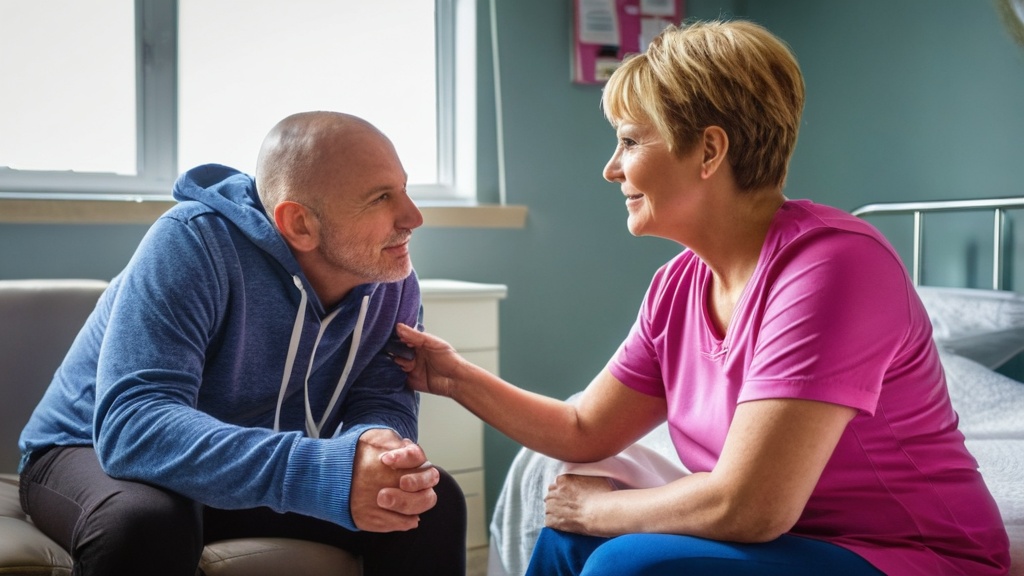
Caregivers also need support. Their role is demanding. Recognizing their needs is crucial.
Respite Care
Caregivers need breaks. Respite care provides temporary relief. It allows caregivers to rest. This prevents burnout and maintains their well-being.
Caregiver Support Groups
Caregivers benefit from sharing experiences. Support groups offer a forum. They connect caregivers with others facing similar situations. This provides emotional validation. It also offers practical advice.
The Role of Research and Innovation

Advances in cancer research bring hope. New treatments emerge regularly. Staying informed about research is beneficial.
Clinical Trials
Clinical trials test new interventions. These can be treatments or diagnostic methods. Patients sometimes gain access to cutting-edge therapies. Discuss clinical trial eligibility with your doctor.
Participating in Research Studies
Contributing to research helps others. It also provides a sense of purpose. Your experience can inform future care. Many institutions offer opportunities for participation.
Building Your Support Network
| Support Type | Description | Impact Metric | Example Services |
|---|---|---|---|
| Emotional Support | Providing counseling and peer support to help patients cope with diagnosis and treatment stress. | 70% of patients report improved mental well-being | Support groups, therapy sessions, helplines |
| Financial Assistance | Helping patients manage treatment costs and related expenses. | 45% reduction in treatment non-adherence due to cost | Grants, subsidies, fundraising campaigns |
| Medical Support | Access to specialized oncology care and symptom management. | 60% increase in treatment completion rates | Oncology clinics, pain management, palliative care |
| Information & Education | Providing patients and families with knowledge about cancer and treatment options. | 80% of patients feel more confident in decision-making | Workshops, brochures, online resources |
| Practical Assistance | Helping with daily tasks and transportation to treatment. | 50% improvement in treatment attendance | Volunteer drivers, meal delivery, home care |
You do not face this alone. Building a strong support network is essential. This network evolves over time.
Family and Friends
Inform your loved ones. Explain how they can help. Be specific about your needs. A simple meal delivery can be a huge relief.
Community Organizations
Local community centers often offer aid. Check for transportation services. Look for meal delivery programs. Many churches and synagogues also have support programs.
Online Communities
Online forums connect patients globally. You can find support anytime. These communities offer peer advice and encouragement. Always verify information with your medical team.
Your cancer journey is unique. A robust support system makes it manageable. Utilize available resources wisely. You possess strength and resilience. Accessing support simply harnesses that power. Remember, you are not alone on this path.
FAQs
What are some effective ways to support a cancer patient emotionally?
Providing emotional support to a cancer patient can include active listening, offering encouragement, being patient, and respecting their feelings. It is important to be empathetic, avoid giving unsolicited advice, and encourage them to express their emotions.
How can family and friends assist with the daily needs of a cancer patient?
Family and friends can help by assisting with transportation to medical appointments, preparing meals, helping with household chores, managing medications, and providing companionship. Practical support can significantly reduce the patient’s stress and improve their quality of life.
What should caregivers know about managing the side effects of cancer treatment?
Caregivers should be aware of common side effects such as fatigue, nausea, pain, and changes in appetite. Monitoring symptoms, ensuring proper medication adherence, and communicating regularly with healthcare providers are essential to managing side effects effectively.
Are there support groups available for cancer patients and their families?
Yes, many hospitals, community centers, and online platforms offer support groups for cancer patients and their families. These groups provide a space to share experiences, gain information, and receive emotional support from others facing similar challenges.
How important is nutrition in supporting a cancer patient?
Nutrition plays a crucial role in supporting a cancer patient’s overall health and recovery. A balanced diet can help maintain strength, manage treatment side effects, and improve immune function. Consulting a dietitian specialized in oncology nutrition is often recommended.