
Facing cancer can feel overwhelming. You have questions about what comes next. This guide helps you understand treatment options. We provide practical advice to navigate your journey.
Receiving a cancer diagnosis changes much. It is a new landscape. Take time to process this news. Your medical team will explain everything.
Your Medical Team
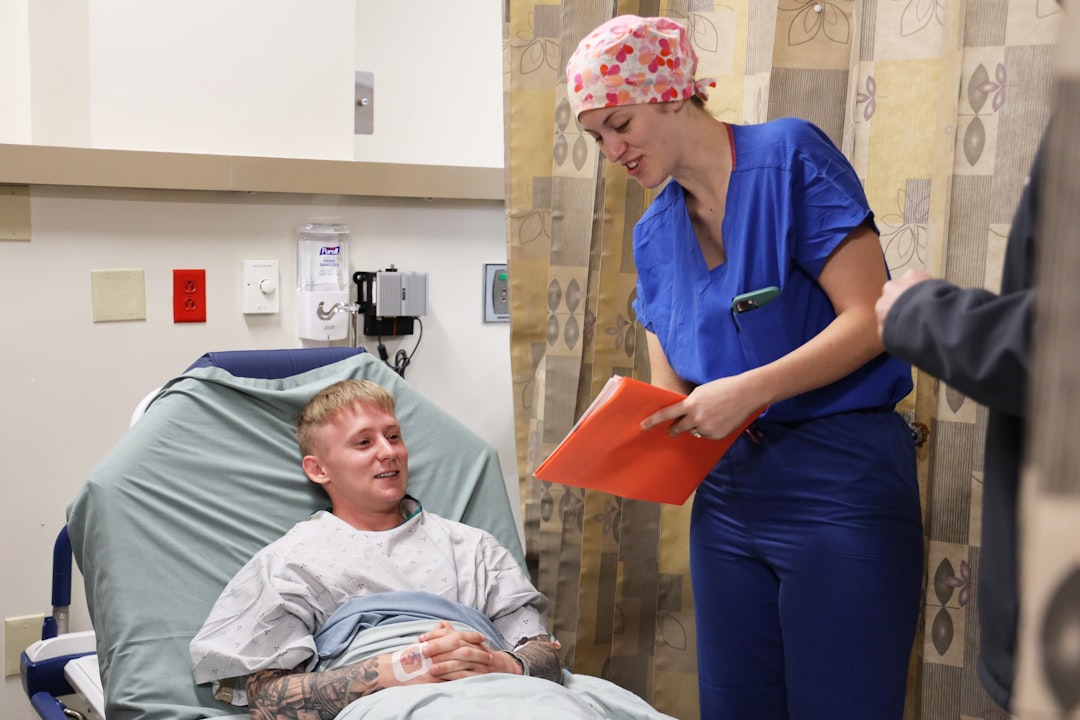
Many experts will support you. An oncologist specializes in cancer. Nurses manage your care daily. Support staff handle appointments and information. Each member plays a vital role.
Getting a Second Opinion
Consider a second opinion. It offers another perspective. This can confirm your diagnosis. It might present new treatment ideas. You deserve full confidence in your plan.
Exploring Treatment Innovations
Cancer treatment advances rapidly. New methods offer hope. Personalized plans are now common. AI helps tailor these plans.
Personalized Treatment Plans
Your cancer is unique. AI now helps doctors. Platforms match therapies to you. These include immunotherapy and targeted therapy. Chemotherapy is carefully chosen. This aims for better outcomes.
Advanced Immunotherapy Options
Immunotherapy harnesses your body. It fights cancer cells. CAR-T cell therapy is safer now. TCR-T therapy targets specific cells. New checkpoint inhibitors exist. These offer more treatment choices.
Targeted Therapies
Targeted therapies attack cancer specifically. They spare healthy cells. This means fewer side effects. Your doctor tests for specific markers. These markers guide therapy selection.
Chemotherapy Today
Chemotherapy remains important. Doctors use it more precisely. It can shrink tumors. It prepares for other treatments. Newer drugs have improved side effect profiles.
Adaptive Therapy Approaches
Treatment can change over time. Doctors monitor tumor response. They adjust drug doses in real-time. This prevents resistance. It makes treatment more effective.
Monitoring Your Progress

Regular monitoring is crucial. It shows how treatment works. Less invasive methods are available. Staying informed helps your journey.
Liquid Biopsy for Monitoring
Liquid biopsies are blood tests. They detect cancer DNA. These tests are very accurate now. They make surveillance easier. You avoid frequent invasive procedures. This means less discomfort.
Imaging and AI
Imaging helps doctors see. AI enhances imaging analysis. It finds abnormalities precisely. This reduces false positives. Earlier intervention becomes possible.
Managing Side Effects and Well-being
Treatment affects your body and mind. Managing side effects improves comfort. Focusing on well-being is essential. You are more than your diagnosis.
Reducing Treatment Toxicity
Modern treatments reduce harm. Precision medicine targets cancer cells. This spares healthy tissues. You experience fewer side effects. Your quality of life improves.
Fatigue Management
Fatigue is a common side effect. It can be overwhelming. Plan rest periods daily. Gentle exercise, if approved, can help. Discuss persistent fatigue with your team.
Nausea and Vomiting Control
Medications effectively prevent nausea. Take them as prescribed. Small, frequent meals can help. Avoid strong smells. Stay hydrated throughout the day.
Nutritional Support
Eating well supports your body. It helps during treatment. A dietitian can offer guidance. They create personalized meal plans. Focus on nutrient-rich foods.
Emotional and Psychological Support
Cancer takes an emotional toll. It is normal to feel many emotions. Seek support from loved ones. Consider therapy or support groups. Mental health professionals can help.
Practical Considerations
| Metric | Description | Typical Value/Range | Notes |
|---|---|---|---|
| Survival Rate | Percentage of patients alive after a certain period post-diagnosis | Varies by cancer type; e.g., 5-year survival for breast cancer ~90% | Depends on cancer stage and treatment |
| Average Treatment Duration | Length of time patients typically undergo treatment | 3 to 12 months | Includes chemotherapy, radiation, surgery recovery |
| Work Absence Rate | Percentage of cancer patients taking leave from work | 40% to 60% | Varies by cancer severity and job type |
| Return to Work Rate | Percentage of patients who return to work post-treatment | 50% to 70% | Influenced by physical and psychological recovery |
| Common Workplace Accommodations | Adjustments made to support employees with cancer | Flexible hours, remote work, reduced workload | Helps maintain employment and productivity |
| Psychosocial Support Usage | Percentage of patients utilizing counseling or support groups | 30% to 50% | Improves mental health and coping mechanisms |
| Fatigue Prevalence | Percentage of patients experiencing cancer-related fatigue | 70% to 80% | Major factor affecting work ability |
Beyond medical treatment, practical concerns arise. Planning helps reduce stress. Consider these aspects carefully.
Work and Treatment
Deciding to work is personal. Some continue working full-time. Others opt for reduced hours or leave. Discuss options with your employer. Understand your rights and policies. You might need accommodations.
- Scenario: Sarah, an accountant, needed chemotherapy. Her employer allowed flexible hours. She worked mornings when she felt best. This helped maintain her routine.
- Actionable Tip: Discuss flexible work arrangements with your employer early.
Financial Planning
Cancer treatment can be expensive. Understand your insurance coverage. A social worker can guide you. They help with financial resources. Explore patient assistance programs.
- Scenario: Mark worried about medical bills. A hospital social worker helped him. They found a program covering co-pays. This eased his financial stress.
- Actionable Tip: Connect with a financial navigator or social worker at your treatment center. They know existing support programs.
Caregiver Support
Loved ones provide crucial support. They also need resources. Health insurance appeals navigators help. Plan comparison calculators exist. These tools assist caregivers.
- Scenario: Elena’s daughter managed her appointments. The daughter used an online tool. It helped compare insurance plans. This ensured Elena got good coverage.
- Actionable Tip: Encourage your caregivers to utilize available support tools and resources.
Special Considerations
Some situations require unique approaches. These include pregnancy and aging. Specific guidelines exist to help.
Cancer During Pregnancy
A cancer diagnosis during pregnancy is complex. New guidelines exist. They offer evidence-based recommendations. These cover testing and treatment interventions. Doctors prioritize both mother and baby.
- Scenario: Emily discovered she had cancer while pregnant. Her doctors followed new guidelines. They adjusted her treatment plan. Both Emily and her baby received optimal care.
- Actionable Tip: If pregnant, ensure your oncology team consults the latest ASCO guidelines.
Senior-Focused Innovations
Older adults have unique needs. Community screenings are available. Tailored oncology treatments exist. These address age-specific challenges. Doctors consider overall health.
- Scenario: George, 78, worried about arduous treatment. His doctor proposed a milder, tailored regimen. It suited his health status. George tolerated it well.
- Actionable Tip: Discuss age-appropriate treatment plans with your doctor.
Looking Ahead
Your journey extends beyond treatment. Life after cancer means new challenges. It also brings new perspectives. Focus on your health and well-being.
Survivorship Care
Once treatment ends, survivorship begins. You will have follow-up appointments. These monitor your health. They check for recurrence. They also manage long-term side effects. A survivorship plan helps.
Lifestyle Choices
Healthy habits are always beneficial. Eat a balanced diet. Engage in regular physical activity. Avoid smoking and excessive alcohol. These choices support long-term health.
Advocacy and Awareness
Consider becoming an advocate. Share your story if you wish. Support cancer research. Raise public awareness. Your experience can help others.
This guide provides an overview. Each cancer journey is personal. Staying informed empowers you. Work closely with your medical team. You are not alone.
FAQs
1. Can people with cancer continue working during treatment?
Many people with cancer can continue working during treatment, depending on the type and stage of cancer, the treatment plan, and their overall health. It is important to discuss work plans with healthcare providers to manage symptoms and side effects effectively.
2. What legal protections exist for employees with cancer?
In many countries, laws such as the Americans with Disabilities Act (ADA) in the U.S. protect employees with cancer from discrimination. Employers may be required to provide reasonable accommodations to help employees perform their job duties during and after treatment.
3. How can employers support employees who have cancer?
Employers can support employees with cancer by offering flexible work schedules, allowing time off for treatment, providing access to counseling services, and fostering an understanding and supportive workplace environment.
4. What accommodations might a person with cancer need at work?
Accommodations can include modified work hours, the option to work from home, reduced physical demands, additional breaks, or changes in job duties to accommodate fatigue, pain, or other treatment side effects.
5. Is it important to disclose a cancer diagnosis to an employer?
Disclosure is a personal decision. Sharing a cancer diagnosis can help employees access accommodations and support, but it is not mandatory. Employees should consider their workplace environment and legal protections when deciding whether to disclose their condition.