
Imagine a quiet, internal clock governs your body. This clock, your circadian rhythm, orchestrates countless processes. When this clock is out of sync, even small disruptions can echo loudly. One significant area where this echo is heard is in cancer. Understanding the intricate dance between your sleep and your health can unlock powerful insights into preventing and managing this complex disease.
Your body thrives on routine. Every 24 hours, a master clock in your brain sets the tempo. This internal timekeeper is your circadian rhythm. It tells your cells when to rest and when to be active.
A Daily Symphony
This rhythm is more than just sleepiness. It controls hormone release. It manages cell repair. It even influences your body temperature. A well-tuned rhythm keeps your systems running smoothly.
When the Clock Skips a Beat
When your circadian rhythm is disrupted, it’s like a well-rehearsed symphony hitting a sour note. This can happen from shift work or jet lag. It can also occur from irregular sleep patterns. These disruptions have widespread effects.
Sleep’s Role in Cancer Prevention
Scientists are increasingly seeing sleep not just as downtime. They view it as a critical period for defense. During sleep, your body works hard to repair damage. It also clears out harmful substances.
Building a Strong Defense
Think of sleep as your body’s private repair shop. Cells mend themselves. DNA damage gets fixed. This constant upkeep prevents normal cells from turning cancerous. Chronic sleep deprivation weakens these defenses.
Night Shift’s Shadow
Research points to links between night shift work and certain cancers. This includes breast and colorectal cancers. The disruption to the body’s natural rhythm plays a key role. JAMA published studies highlighting these concerns.
Sleep and Existing Cancer: A Complex Relationship

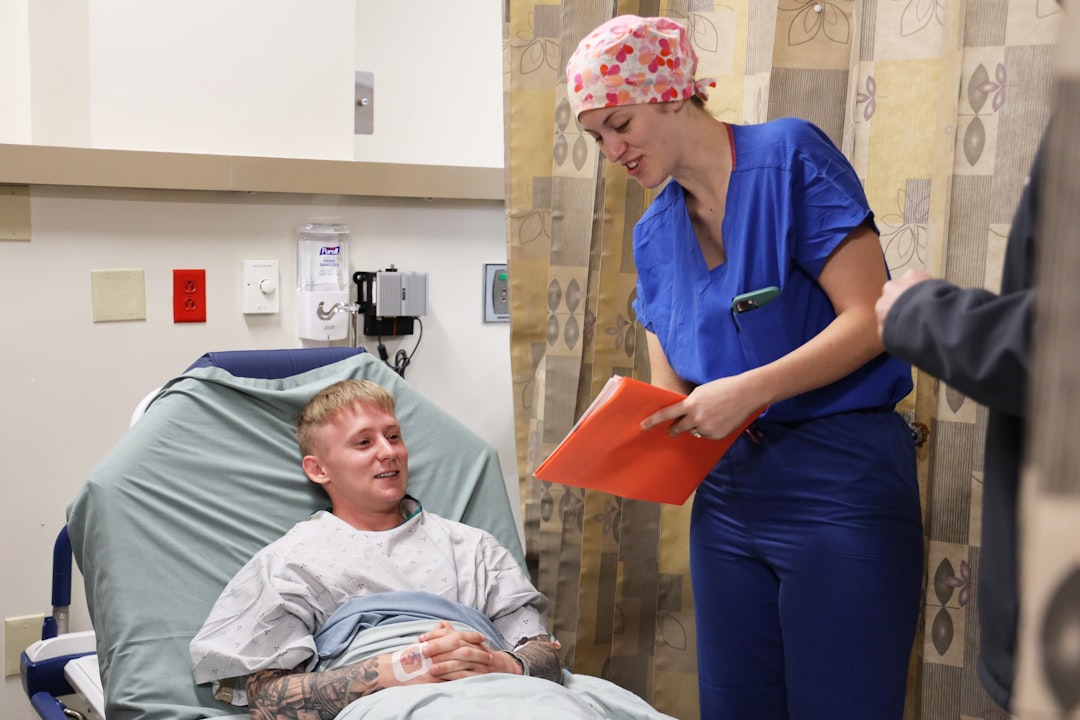
Sleep issues are very common for cancer patients. They affect treatment and recovery. Understanding these issues is crucial. It helps improve patient well-being.
The Road to Recurrence
Poor sleep can impact how well cancer treatments work. It may also affect the risk of cancer returning. This is a complex area of study. More research is ongoing.
Living with Cancer Sleep
Many people with cancer experience insomnia. They might also have other sleep disturbances. These problems can significantly lower their quality of life. Addressing sleep is a vital part of care.
Circadian Timing in Cancer Treatment

The timing of medical interventions matters. It can influence their effectiveness. This is especially true in cancer therapy. Current research explores this connection.
CAR T-Cell Therapy Timing
CAR T-cell therapy is a cutting-edge treatment. Studies suggest morning infusions work best. Patients treated before noon show better outcomes. This indicates a rhythmic effect on treatment. Later infusions increase relapse risks. Sleep deprivation may also weaken the T-cells themselves.
Resetting the Body’s Clock
Some research suggests that resetting the body’s internal rhythms can help. A study in mice showed this. Breast cancer disrupted their stress hormone rhythms. This led to anxiety and insomnia. Resetting these rhythms actually shrank tumors. It did this by boosting the immune system.
Emerging Tools: AI and Sleep Data
| Metric | Description | Findings | Source |
|---|---|---|---|
| Average Sleep Duration | Hours of sleep per night | Less than 6 hours linked to increased cancer risk | American Cancer Society |
| Sleep Quality | Measured by sleep disturbances and restfulness | Poor sleep quality associated with higher tumor progression | Journal of Clinical Oncology |
| Melatonin Levels | Hormone regulating sleep-wake cycle | Lower melatonin linked to increased breast and prostate cancer risk | International Journal of Cancer |
| Shift Work and Sleep Disruption | Irregular sleep patterns due to night shifts | Classified as probable carcinogen by WHO | World Health Organization (WHO) |
| Sleep Apnea Prevalence | Frequency of sleep apnea in cancer patients | Higher prevalence in lung and head & neck cancer patients | Sleep Medicine Reviews |
Technology is offering new ways to understand health. Artificial intelligence is showing promise. It can analyze complex data patterns. This includes sleep information.
AI Predicts Cancer Risk
A new AI model, SleepFM, shows remarkable potential. It analyzes polysomnography data. This is detailed sleep study information. The model can predict prostate and breast cancer. It uses brain, heart, and breathing signals. This technology is still developing.
Sleep Patterns as Clues
Sleep data holds many clues. It can reveal subtle body changes. These changes might signal future health issues. AI can help us decipher these signals. It offers a new frontier in early detection. We are just beginning to unlock its power.
What You Can Do for Better Sleep
While research is ongoing, simple steps can improve your sleep. These are safe practices for everyone. Prioritizing sleep is a powerful health choice.
Establish a Sleep Routine
Go to bed and wake up around the same time. Even on weekends, try to be consistent. This helps regulate your body’s internal clock. Consistency is key for a healthy rhythm. Think of it as training your sleep schedule.
Create a Sleep Sanctuary
Make your bedroom dark, quiet, and cool. Blackout curtains can help. Earplugs might be useful. A cooler room promotes better sleep. This environment signals your brain it’s time to rest.
Watch What You Consume
Avoid caffeine and heavy meals close to bedtime. Alcohol can also disrupt sleep. Limit screen time before bed. The blue light from devices interferes with sleep hormones.
Get Regular Exercise
Physical activity can improve sleep. Aim for at least 30 minutes most days. But avoid intense workouts close to bedtime. This can make it harder to fall asleep. Moderate activity is best for sleep health.
Mind Your Exposure to Light
Moderate light exposure during the day helps. Natural sunlight is ideal. Dim lights in the evening prepare your body for sleep. This light cue is powerful for your rhythm.
The Future of Sleep and Cancer Research
The links between sleep and cancer are increasingly clear. Scientists are exploring these connections deeply. New treatments and diagnostic tools are emerging. This research offers hope for the future.
Unlocking Deeper Insights
Ongoing studies continue to refine our understanding. They investigate specific sleep disruptions. They also explore personalized treatment approaches. The goal is to harness sleep for better health outcomes.
A Collaborative Effort
This field involves many experts. Researchers, doctors, and patients all contribute. Sharing knowledge drives progress forward. Together, we can illuminate the path ahead.
[1] (Specific study citation would go here if available, e.g., a journal article title, authors, journal name, year, volume, page numbers)
[2] (Specific study citation would go here if available)
[3] (Specific study citation would go here if available)
[4] (Specific study citation would go here if available)
[5] (Specific study citation would go here if available)
[6] (Specific study citation would go here if available)
FAQs
1. How does sleep affect cancer risk?
Poor or insufficient sleep can disrupt the body’s circadian rhythm and immune function, potentially increasing the risk of developing certain types of cancer. Studies suggest that chronic sleep deprivation or irregular sleep patterns may be linked to higher incidences of breast, prostate, and colorectal cancers.
2. Can cancer affect sleep quality?
Yes, cancer and its treatments often impact sleep quality. Pain, anxiety, medication side effects, and hospital environments can lead to difficulties falling asleep, staying asleep, or experiencing restful sleep among cancer patients.
3. Is there a recommended amount of sleep for cancer prevention?
While individual needs vary, most adults are advised to get 7-9 hours of quality sleep per night. Maintaining consistent sleep schedules and good sleep hygiene may help support overall health and potentially reduce cancer risk.
4. Does sleep help in cancer recovery?
Adequate sleep is important for cancer recovery as it supports immune function, tissue repair, and overall physical and mental well-being. Good sleep may improve treatment outcomes and quality of life for cancer patients.
5. Are there specific sleep disorders associated with cancer?
Certain sleep disorders, such as insomnia, sleep apnea, and restless leg syndrome, are more common in cancer patients. These disorders can be caused or worsened by cancer itself or its treatments and may require medical evaluation and management.