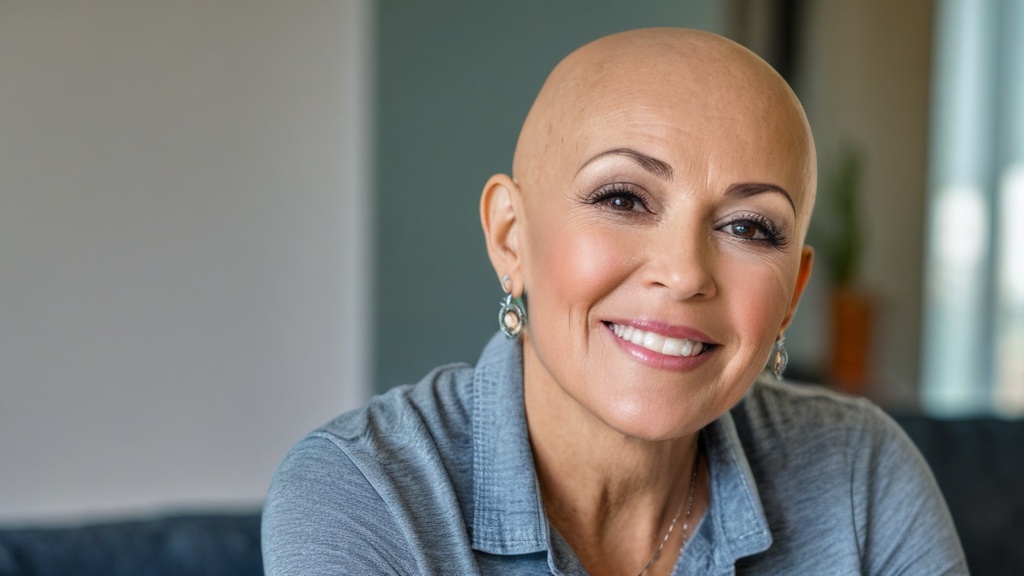
Cancer can feel like an isolating journey. Yet, you don’t face it alone. Your relationships become crucial anchors during treatment and recovery. Understanding these evolving connections builds resilience for everyone involved.
Cancer changes lives profoundly. It also transforms relationships. Friends, family, and partners adapt to new realities. This journey requires patience and open communication from all sides.
Partners and Spouses: A Shared Path
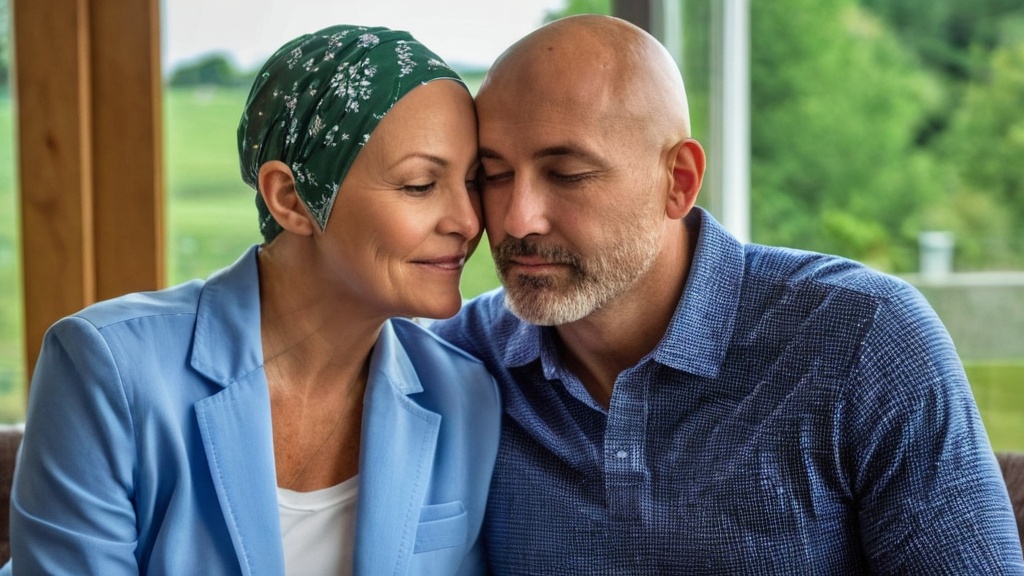
Your primary relationship often bears the biggest impact. The partner becomes a caregiver. This shift can bring immense stress. Maintaining intimacy and connection is vital.
A trauma-informed guide, Loving Someone on the Island, offers insights for caregivers. It addresses complex emotions like denial. You can connect deeply without forcing difficult truths. This supports both partners through their unique emotional processes.
Family Dynamics: Rebalancing Roles
Family members rally around you. Their support is invaluable. However, roles can shift unexpectedly. Siblings might become caregivers. Children may need extra reassurance.
Open conversations help manage new dynamics. Acknowledge everyone’s feelings. Sometimes, professional help can guide these family discussions. This ensures everyone feels heard and understood.
Friends: Sustaining Connections
Friendships offer comfort and normalcy. Knowing how to support a friend with cancer can be challenging. Many friends want to help but don’t know how. Small gestures mean a lot.
A supportive friend might offer practical help. They could bring a meal or run errands. Other friends provide emotional connection. They listen without judgment. These varied forms of support are all important.
Communication: The Lifeline of Support
Effective communication is paramount. It bridges gaps in understanding. It strengthens bonds during challenging times. Honesty and empathy are your best tools.
Expressing Needs Clearly
You might feel overwhelmed. It’s hard to articulate what you need. Try to be specific with loved ones. For instance, “I need someone to sit with me for an hour.” Or, “I appreciate calls, but texts are easier right now.”
Your loved ones want to help. They often guess what you need. Clear communication removes this guesswork. It empowers them to provide truly helpful support.
Listening with Empathy
Relationships are two-way streets. Your loved ones also experience distress. Listen to their feelings and concerns. Acknowledge their anxieties without judgment.
Sometimes, they share fears about your health. Respond with empathy. You might say, “I hear you’re worried about X.” This validates their emotions. It also creates a safe space for open dialogue.
Navigating Difficult Conversations
Cancer brings difficult topics. Discussing future plans might feel daunting. Talk about these issues when you feel ready. Choose a calm, private setting.
Remember, you don’t have to tackle everything at once. Break down big conversations. Address one aspect at a time. This reduces stress for everyone involved.
Emotional Well-being: Prioritizing Self and Others

Cancer treatments affect physical and emotional health. Supporting emotional well-being is crucial. This applies to both the patient and their loved ones.
Managing Grief and Loss
Grief isn’t just for loss of life. You might grieve loss of normalcy. Loved ones can also experience this grief. Acknowledge these feelings as valid.
Loving Someone on the Island emphasizes understanding grief. It’s a complex process. Allow yourself and others space to feel these emotions. Professional support can offer coping strategies.
Finding Hope and Connection
Research progress sparks hope. “Five Lives, Five Journeys” highlights this. Survivor and caregiver perspectives show the power of human connection. This connection sustains progress against cancer.
Shared journeys build hope. Knowing others experienced similar situations helps. Connecting with others who understand fosters a powerful bond. It reminds you that you are not alone.
Caregiver Self-Care
Caregivers often neglect their own needs. This can lead to burnout. Self-care is not selfish. It is essential for long-term support. Think of it like putting on your own oxygen mask first.
Engage in activities you enjoy. Seek support from friends or support groups. Organizations like Triage Cancer offer resources. They provide education and one-on-one support for caregivers.
External Support Systems: Expanding Your Circle
You don’t have to rely solely on personal relationships. External support systems offer unique benefits. They provide specialized knowledge and understanding.
Online Communities: Shared Experiences
Online communities connect people globally. Young adult (YA) cancer survivors use these spaces. They find social support. They share experiences and coping strategies.
These communities offer a sense of belonging. However, they can also present challenges. Unstable group dynamics might occur. Emotional distress can arise. Better moderation and provider training improve these digital spaces.
Professional Guidance: Navigating Complexities
Cancer introduces many complexities. Medical, legal, and financial aspects arise. Professionals offer invaluable guidance. They reduce your burden and anxiety.
Triage Cancer hosts conferences. These events provide education on legal and financial navigation. They also offer free one-on-one support. These services help address insurance, employment, and planning issues.
Support Groups: A Safe Space
Support groups connect you with others. Everyone understands your journey. They provide a safe space for sharing. You can express fears and triumphs openly.
These groups foster empathy and understanding. They demonstrate you’re not isolated. Hearing others’ stories provides perspective. It creates a sense of shared community.
Building Resilience Together: Moving Forward
| Metric | Description | Value/Statistic | Source |
|---|---|---|---|
| Impact of Cancer on Relationships | Percentage of couples reporting relationship strain after a cancer diagnosis | 30-50% | Journal of Clinical Oncology |
| Supportive Partner Effect | Improved patient survival rate with strong partner support | Up to 20% increase | American Cancer Society |
| Communication Challenges | Percentage of couples experiencing communication difficulties post-diagnosis | 40% | Psycho-Oncology Journal |
| Relationship Satisfaction | Average decrease in relationship satisfaction scores after cancer diagnosis | 15% | Health Psychology Review |
| Divorce Rate | Increase in divorce rate among couples where one partner has cancer | 5-10% higher than general population | Social Science & Medicine |
| Psychosocial Interventions | Effectiveness of counseling on improving relationship quality | Significant improvement in 70% of cases | Journal of Psychosocial Oncology |
Cancer is a marathon, not a sprint. Building resilience is key. This collective strength helps everyone move forward. It allows relationships to flourish.
Adapting to Change
Life post-treatment is different. Family routines may change. Work life might adjust. Acceptance and adaptation are crucial. Embrace the new normal as it unfolds.
View these changes as new opportunities. You gain new perspectives. You discover strengths not previously known. This continuous adaptation builds resilience.
Sustaining Love and Intimacy
Intimacy might shift during cancer. Talk openly about these changes with your partner. Exploration and patience are key. Find new ways to connect physically and emotionally.
Emotional intimacy remains vital. Share your feelings. Listen to your partner’s vulnerabilities. This deep connection strengthens your bond through all phases.
Celebrating Milestones
Every milestone is significant. Celebrate small victories. A good day, a completed treatment, a positive scan. These moments remind you of progress and hope.
Celebrate with your loved ones. Acknowledge their unwavering support. These shared celebrations reinforce your collective strength. They highlight the enduring power of love and connection.
Actionable Tips for Stronger Relationships:
- Communicate openly and honestly. Share feelings and needs with loved ones.
- Listen actively to others. Validate their concerns and emotions.
- Practice self-care rigorously. Caregivers especially need to prioritize their well-being.
- Seek professional support. Don’t hesitate to use counselors or support groups.
- Utilize online communities wisely. Find supportive groups with good moderation.
- Access resources from organizations. Triage Cancer offers invaluable legal and financial guidance.
- Engage in shared activities. Keep a sense of normalcy whenever possible.
- Be patient with yourself and others. The journey has many ups and downs.
- Celebrate small victories. Acknowledge progress, no matter how minor.
Remember, navigating cancer relationships is an ongoing process. It requires effort from everyone. Yet, the bonds forged through adversity are often the strongest. You and your loved ones can emerge from this experience with deeper connections and profound understanding.
FAQs
What impact can a cancer diagnosis have on personal relationships?
A cancer diagnosis can significantly affect personal relationships by introducing emotional stress, changes in roles, and increased caregiving responsibilities. It may lead to feelings of anxiety, fear, and uncertainty for both the patient and their loved ones.
How can couples maintain a strong relationship during cancer treatment?
Couples can maintain a strong relationship by communicating openly, supporting each other emotionally, seeking counseling if needed, and adapting to changes together. Prioritizing quality time and understanding each other’s needs are also important.
What role do caregivers play in cancer relationships?
Caregivers provide essential physical, emotional, and practical support to individuals with cancer. Their role can strengthen bonds but may also lead to caregiver stress, making it important to seek support and maintain self-care.
Are there common challenges faced by families dealing with cancer?
Yes, families often face challenges such as emotional distress, financial strain, changes in family dynamics, and difficulties balancing caregiving with other responsibilities. Accessing support services can help manage these challenges.
Where can individuals and families find support for cancer-related relationship issues?
Support can be found through healthcare providers, counseling services, cancer support groups, social workers, and nonprofit organizations specializing in cancer care. These resources offer emotional support, education, and practical advice.