Have you ever considered how your choices impact your health? Specifically, how might your sexual health connect to cancer risk? This article explores fascinating links between sex and cancer. We will uncover crucial information, dispelling myths and offering clear insights.
Unsafe sex contributes significantly to global cancer burden. Infections transmitted sexually play a major role. These infections can silently increase cancer risk over time.
The Role of HPV
Human Papillomavirus (HPV) is a common sexually transmitted infection. It causes cervical cancer. HPV also links to cancers of the anus, throat, penis, and vagina. Vaccination offers strong protection against HPV-related cancers. It is a vital preventive measure.
The Centers for Disease Control and Prevention (CDC) recommends HPV vaccination. Both boys and girls can receive it. Vaccination before sexual activity provides the best benefit. Imagine a shield protecting you from these specific cancer risks.
Other Sexually Transmitted Infections (STIs)
Other STIs also pose risks. For instance, Hepatitis B and C viruses transmit through sexual contact. These viruses can lead to liver cancer. Regular testing and safe practices are crucial.
Syphilis, though less directly linked, can weaken the immune system. A weakened immune system might make the body more vulnerable. This vulnerability applies to various diseases, including some cancers.
Sexual Dysfunction in Cancer Patients: A Common Concern
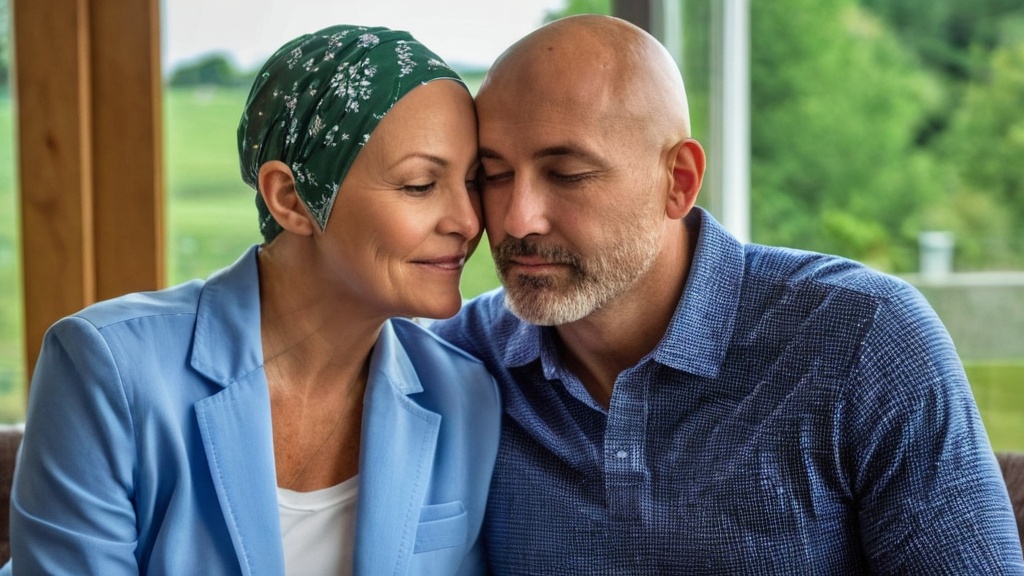
Cancer and its treatments often impact sexual function. This is a sensitive but important topic. Many people experience changes in intimacy and desire.
Understanding the Prevalence
Studies show a high prevalence of sexual dysfunction. Between 36% and 73% of women with cancer report issues. These issues can include infertility, pain, and loss of libido. Men with prostate cancer often face erectile dysfunction. They may also experience ejaculatory problems.
A meta-analysis confirms these widespread concerns. For example, prostate cancer treatments can increase risks. These risks include urinary and sexual difficulties. They are 3-7 times higher than in the general population. Imagine navigating these complex changes during recovery.
Addressing the Impact
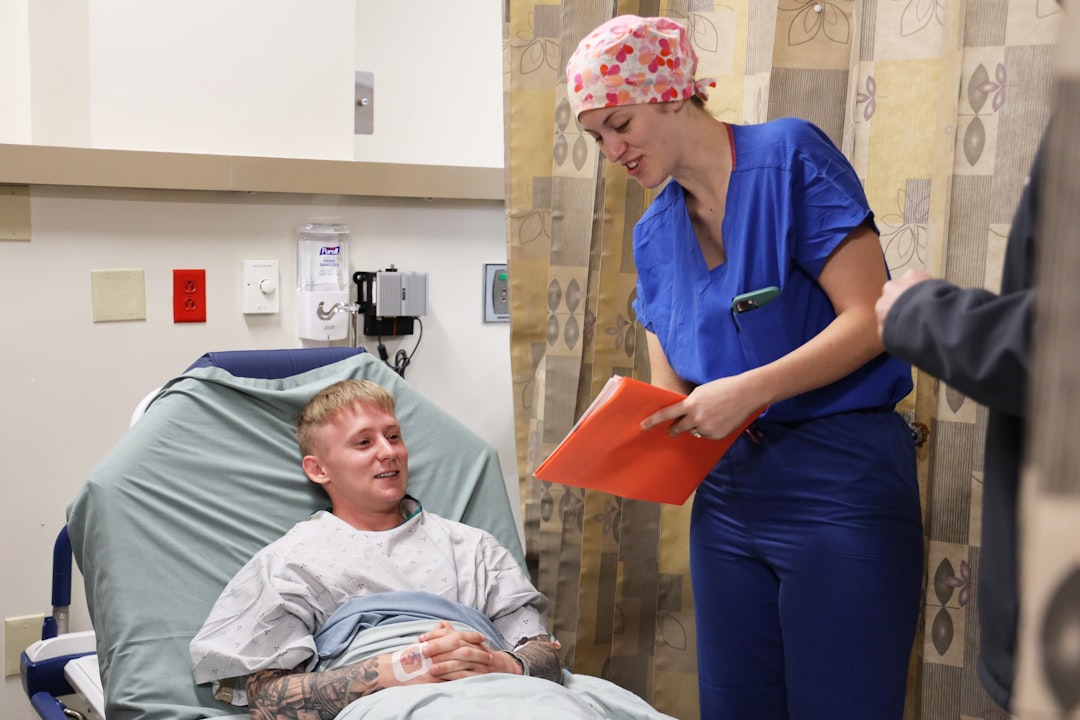
Open communication with healthcare providers is vital. Patients should discuss sexual health concerns. Doctors can offer solutions or referrals. Counseling and support groups also help manage these challenges.
Remember, intimacy extends beyond physical acts. Emotional connection and communication are paramount. Partners can explore new ways to share affection. This adaptability fosters strong relationships.
Sex/Gender Integration in Cancer Research: A Path to Equity

Cancer research increasingly recognizes “sex” and “gender” differences. These terms describe distinct yet interconnected aspects. “Sex” refers to biological factors. “Gender” pertains to societal roles and experiences.
Biological Influences
Biological sex impacts cancer development. Hormones, genetics, and anatomy play a role. For example, breast cancer disproportionately affects women. Prostate cancer is exclusive to men. Understanding these differences improves targeted treatments.
Consider a blueprint for a house. The biological differences are like having a slightly different blueprint. This requires different construction methods or materials.
Sociocultural Influences
Gender roles and societal expectations also matter. These influences affect cancer risk behaviors. They also impact diagnosis, treatment, and outcomes. For instance, healthcare access may differ based on gender.
Workshops emphasize the importance of this integration. Researchers aim to understand both biological and sociocultural factors. This comprehensive approach promotes health equity. It helps tailor interventions more effectively.
Treatment Complications and Rising Cancers in Young Adults
Cancer treatments can have lasting side effects. These side effects, including sexual dysfunction, are important to acknowledge. Awareness helps patients prepare and seek support.
Prostate Cancer Treatment Effects
Prostate cancer therapies often affect urinary and sexual health. Surgery, radiation, and hormone therapy can lead to complications. Urinary incontinence and erectile dysfunction are common. These issues significantly impact quality of life.
Consider a road with unexpected detours after a journey. Patients need guidance through these post-treatment changes. Rehabilitation and support services are essential.
Rising Cancer Rates in Younger Populations
An alarming trend shows increasing cancer rates in young adults. Six cancer types are rising faster in people under 50. These include colorectal and cervical cancers.
Factors like obesity and Western diets may contribute. Cervical cancer, as noted, links strongly to HPV. This highlights the importance of vaccination and regular screenings. Early detection saves lives.
Cancer Registry Changes: Impact on Research
| Metric | Male | Female | Notes |
|---|---|---|---|
| Incidence Rate of Cancer (per 100,000) | 475 | 395 | Higher incidence generally observed in males |
| Most Common Cancer | Lung and Prostate | Breast and Lung | Varies by sex due to biological and lifestyle factors |
| 5-Year Survival Rate (All Cancers) | 67% | 69% | Females tend to have slightly better survival rates |
| Smoking-Related Cancer Risk | Higher | Lower | Smoking prevalence historically higher in males |
| HPV-Related Cancer Incidence | Lower | Higher | HPV linked to cervical cancer in females |
| Hormonal Influence on Cancer | Testosterone linked to prostate cancer risk | Estrogen linked to breast and ovarian cancer risk | Sex hormones affect cancer development |
Cancer registries collect vital data. This data helps researchers understand cancer patterns. Changes in how this data is categorized can have significant implications.
Classification of Patients
Starting in 2026, federally-funded US registries will change classifications. Patients will be identified as “male,” “female,” or “unknown.” This simplification might impact detailed sex-based research.
Researchers might lose nuances in data analysis. Imagine trying to understand complex trends with fewer data points. This could affect our understanding of specific population vulnerabilities.
Implications for Research and Policy
Losing detailed sex and gender data could hinder progress. It may make it harder to identify specific risk groups. Policymakers use this data for public health initiatives. Accurate, granular data is essential for effective interventions.
Advocacy groups highlight these concerns. They emphasize the need for comprehensive and inclusive data collection. This ensures that no group is left behind in cancer research.
Empowering Yourself: Actionable Tips
Knowledge is power. Taking proactive steps can reduce your cancer risk. You can also improve your quality of life during and after cancer treatment.
Prioritize Safe Sexual Practices
Use barrier methods consistently. Condoms effectively prevent many STIs. They reduce the risk of HPV, HIV, and other infections. This simple step forms your first line of defense.
Discuss STI testing with your partner(s). Open communication builds trust and ensures safety. Regular check-ups help detect infections early. Early detection leads to better outcomes.
Get Vaccinated
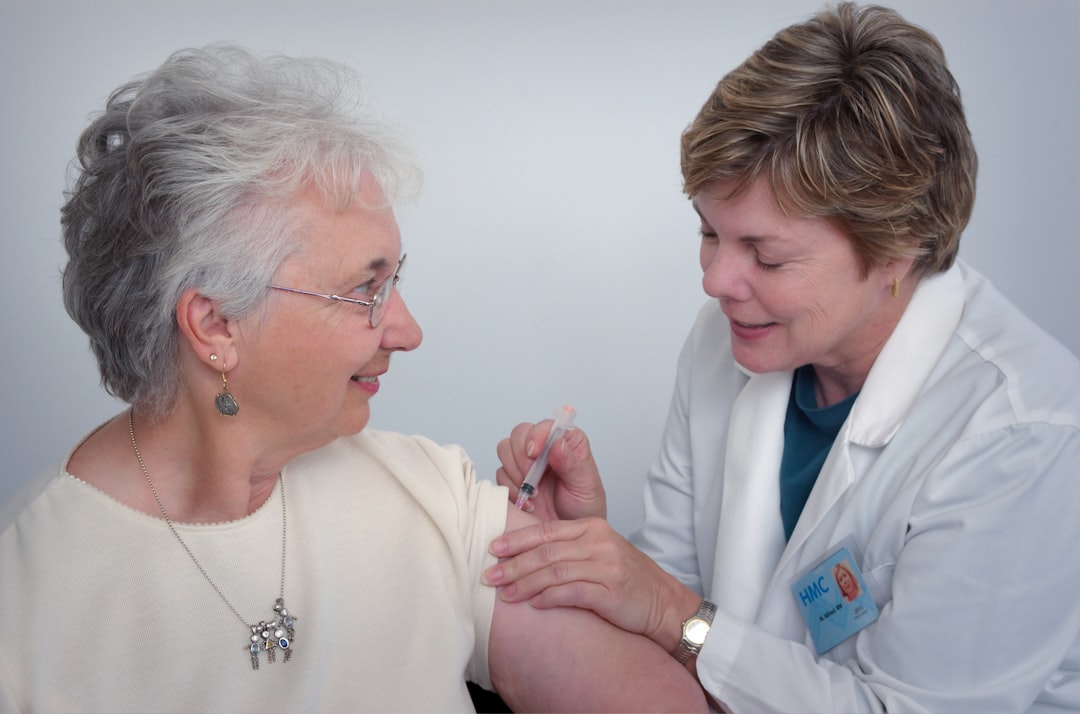
HPV vaccination is a powerful preventive tool. It protects against several HPV-related cancers. Consult your doctor about recommended vaccination schedules. This investment in your health pays lifelong dividends.
Hepatitis B vaccination also protects against liver cancer. This vaccine is routinely given to infants. Adults at risk should discuss it with their doctors.
Undergo Regular Screenings
Regular medical check-ups are crucial. Pap tests detect cervical cancer early. Colonoscopies screen for colorectal cancer. Discuss appropriate screenings with your healthcare provider.
Early detection often leads to more effective treatment. Think of screenings as an early warning system. They allow you to address issues before they become major problems.
Maintain a Healthy Lifestyle
Your overall health influences cancer risk. A balanced diet, rich in fruits and vegetables, is beneficial. Regular physical activity also reduces risk. Avoid smoking and limit alcohol consumption.
These lifestyle choices create a strong foundation. They support your immune system. A robust immune system can fight off various threats.
Seek Support for Sexual Health Concerns
Do not suffer in silence if you experience sexual dysfunction. Talk to your healthcare team. Many resources are available for support. There are specialists who can help.
Sexual health is an integral part of overall well-being. Addressing these concerns improves quality of life. You deserve help and understanding.
The Future of Connected Health
The link between sex and cancer is complex. It involves biological, behavioral, and societal factors. As research advances, our understanding deepens.
Personalized Medicine
Future approaches might offer more personalized care. This includes tailored prevention strategies. It also means customized treatment plans. These plans consider individual sexual health needs.
Imagine a roadmap designed just for you. This roadmap would account for all your unique characteristics.
Continued Research
Ongoing studies are vital. They investigate new connections and preventive measures. Supporting research contributes to global health. It unlocks critical insights for future generations.
This continuous exploration expands our collective knowledge. It empowers us to live healthier, fuller lives. Your understanding and proactive choices contribute to this healthier future.
FAQs
1. Can cancer affect a person’s sex life?
Yes, cancer and its treatments can impact a person’s sex life by causing physical changes, fatigue, hormonal imbalances, and emotional stress, all of which may affect sexual desire and function.
2. Is it safe to have sex during cancer treatment?
In most cases, it is safe to have sex during cancer treatment, but it is important to consult with a healthcare provider. Certain treatments or conditions may require precautions to prevent infection or injury.
3. How can cancer treatments affect sexual function?
Cancer treatments such as surgery, chemotherapy, radiation, and hormone therapy can lead to side effects like vaginal dryness, erectile dysfunction, decreased libido, and pain during intercourse.
4. Are there ways to manage sexual side effects caused by cancer?
Yes, there are various strategies including counseling, use of lubricants, medications, pelvic floor therapy, and open communication with partners and healthcare providers to help manage sexual side effects.
5. Should patients discuss sexual health with their cancer care team?
Absolutely. Discussing sexual health openly with the cancer care team is important to address concerns, receive appropriate advice, and improve quality of life during and after cancer treatment.