In a world brimming with health advice, it’s easy to feel overwhelmed. Especially when it comes to cancer, misinformation spreads rapidly. Let’s cut through the noise together. We want to empower you with accurate, science-backed information.
Your diet plays a role in your overall health. It influences numerous bodily functions. Cancer development is a complex process. Many factors contribute to it.
No Single Food is a Magic Bullet
Many people seek miracle foods. They hope these foods prevent or cure cancer. However, no single food possesses such power. A balanced dietary pattern is key.
A Focus on Whole Foods
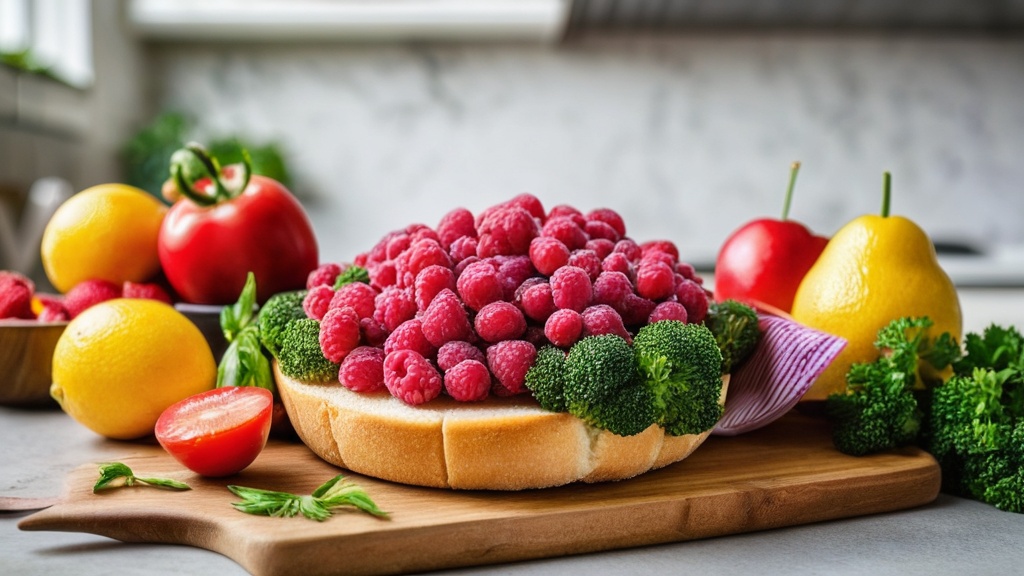
Experts recommend a diet rich in whole foods. This includes fruits, vegetables, and whole grains. These foods provide essential nutrients. They support your body’s natural defenses.
Sugar and Cancer: Dispelling Common Misconceptions
You might have heard sugar “feeds” cancer. This idea is a common concern. Let’s explore the science behind it.
Your Body Needs Glucose
All cells, including cancer cells, use glucose. Glucose is a simple sugar. It provides energy for your body. Healthy cells depend on it for fuel too. Cutting out all sugar is not feasible.
The Real Link: Weight Gain
High sugar intake often leads to weight gain. Excess body fat increases cancer risk. This is the primary concern with sugar. It’s an indirect, not direct, link.
Artificial Sweeteners: Are They Safe?
Some people worry about artificial sweeteners. The FDA has approved many of them. Research shows no established link to cancer. You can safely use these in moderation.
“Superfoods” and Their Claims
“Superfood” is a popular marketing term. It suggests extraordinary health benefits. But do they live up to the hype for cancer prevention?
Green Tea and Cancer Prevention
Green tea contains antioxidants. Antioxidants protect cells from damage. However, large studies show no clear protective effect. Drinking green tea is fine, but don’t expect a miracle.
The Alkaline Diet Myth
The alkaline diet claims to prevent cancer. It states cancer thrives in acidic environments. This theory lacks scientific support. Your body maintains its pH balance. Food does not significantly alter it.
Supplements: A Mixed Bag
Many supplements promise cancer protection. Large studies often show no benefit. Some high-dose supplements can even be harmful. Consult a doctor before taking supplements.
Soy and Cancer Risk
Soy often receives mixed reviews. Some believe it increases cancer risk. Others tout its health benefits. Let’s look at the evidence.
Soy and Breast Cancer
Concerns about soy and breast cancer are common. This is often due to phytoestrogens in soy. However, studies suggest soy is safe. It may even reduce breast cancer risk.
Incorporating Soy into Your Diet
Soy can be a healthy part of your diet. Choose whole soy foods like edamame or tofu. Avoid highly processed soy products where possible.
Organic vs. Conventional Foods
| Myth | Claim | Scientific Evidence | Notes |
|---|---|---|---|
| Alkaline Diet Cures Cancer | Eating alkaline foods can cure or prevent cancer by changing body pH. | Body tightly regulates blood pH; diet has minimal effect on systemic pH. | No clinical evidence supports cancer cure through alkaline diets. |
| Sugar Feeds Cancer | Consuming sugar directly causes cancer cells to grow faster. | All cells use glucose; no evidence that sugar intake alone accelerates cancer. | Excess sugar can lead to obesity, a cancer risk factor. |
| Detox Diets Remove Cancer Toxins | Detox diets cleanse the body of cancer-causing toxins. | Liver and kidneys naturally detoxify; no proof detox diets affect cancer risk. | Some detox diets may cause nutritional deficiencies. |
| Antioxidant Supplements Prevent Cancer | High doses of antioxidants can prevent or cure cancer. | Mixed evidence; some studies show no benefit or potential harm. | Best to get antioxidants from a balanced diet, not supplements. |
| Organic Foods Prevent Cancer | Eating only organic foods reduces cancer risk. | No conclusive evidence that organic foods lower cancer risk. | Healthy diet overall is more important than organic status. |
The debate between organic and conventional foods is ongoing. Many believe organic is always healthier. What does this mean for cancer risk?
Pesticide Residues
Conventional foods may have pesticide residues. However, these are typically within safe limits. Regulatory bodies set these strict limits. The risk from these levels is very low.
Nutritional Equivalence
Studies show little nutritional difference. Organic and conventional foods are similar. Their nutrient content is largely the same. Focus on eating more fruits and vegetables.
Foods with Clear Evidence of Impact
Some foods have a strong, evidence-based link to cancer. Understanding these connections is crucial. This empowers you to make informed dietary choices.
Processed Meats: A Strong Link
Processed meats include bacon, sausage, and ham. They are strongly linked to bowel cancer. The World Health Organization classifies them as carcinogenic. Reduce your consumption of these.
Red Meats: A Probable Carcinogen
Red meats like beef, lamb, and pork are also concerning. They are probably carcinogenic. Research links high consumption to bowel cancer. Moderate your intake of red meat. Consider leaner protein sources.
Alcohol: A Significant Risk Factor
Alcohol increases the risk of at least seven cancers. This includes breast and bowel cancer. No amount of alcohol is completely safe regarding cancer risk. If you drink, do so in moderation.
Debunked Concerns and Healthy Habits
Many anxieties surrounding food and cancer are unfounded. It’s important to separate these from genuine concerns. Focus on sustainable, healthy habits.
Palm Oil and Cancer
You might worry about palm oil. The oil itself is not the problem. Concerns relate to high-temperature processing. These processes can create harmful contaminants. Consuming palm oil in moderation is generally not a direct cancer risk.
No Single Food Cures Cancer
No food can “cure” cancer. Similarly, no food “feeds” cancer in isolation. Maintaining balanced nutrition is paramount. It supports your recovery and treatment tolerance. Think of your body as a garden. You need balanced nutrients for all plants to thrive.
Antioxidants in Wine: A False Hope
Wine contains antioxidants. However, these do not offset alcohol’s risks. Alcohol’s carcinogenic effects remain. Get your antioxidants from whole foods. Grapes and berries are better sources. They offer nutrients without alcohol’s disadvantages.
Building a Cancer-Protective Diet
Focus on overall dietary patterns. Rather than fixating on individual foods, consider the bigger picture. Your plate should resemble a rainbow of colors.
Prioritize Whole Plant Foods
Make fruits, vegetables, and whole grains your base. These provide fiber, vitamins, and minerals. Fiber supports gut health. It helps remove potential carcinogens.
Embrace Lean Proteins and Healthy Fats
Include a variety of lean proteins. These include fish, chicken, and legumes. Healthy fats are also important. Find them in avocados, nuts, and olive oil. These contribute to satiety. They also provide essential fatty acids.
Hydration is Key
Water is vital for all bodily functions. It helps transport nutrients. It aids in waste removal. Drink plenty of water throughout the day. It supports your body’s natural processes.
Mindful Eating Practices
Pay attention to what and how you eat. Practice mindful eating. This means savoring your food. It also means recognizing hunger and fullness cues. This helps prevent overeating. It also fosters a healthier relationship with food.
Taking Action for Your Health
Small, consistent changes yield big results. You don’t need a radical diet overhaul. Simple adjustments can significantly impact your well-being.
Start Small
Begin with one or two dietary changes. For example, add an extra serving of vegetables. Or, swap processed snacks for fruit. Gradually build on these successes.
Cook More at Home
Cooking at home gives you control. You choose your ingredients. You can limit processed components. This helps you reduce unhealthy additives.
Read Food Labels
Becoming a label detective is smart. Understand ingredients lists. Look for added sugars, unhealthy fats, and excessive sodium. Knowledge empowers better choices.
Seek Professional Guidance
Consult a registered dietitian for personalized advice. They can help you create a sustainable plan. They ensure your diet meets your specific needs. This is especially true if you have a cancer diagnosis.
Conclusion: Your Empowered Choices
You have the power to make informed choices. Don’t let myths steer you off course. Understanding the facts helps you maintain a healthy lifestyle. Your diet is a powerful tool. Use it wisely for optimal health.
FAQs
1. Can certain foods cause cancer?
No single food has been definitively proven to cause cancer. However, some dietary patterns, such as high consumption of processed meats and excessive alcohol intake, have been linked to an increased risk of certain cancers. A balanced diet rich in fruits, vegetables, and whole grains is generally recommended for cancer prevention.
2. Does sugar feed cancer cells and make cancer worse?
While cancer cells consume glucose for energy, there is no evidence that eating sugar directly causes cancer to grow faster. All cells, including healthy ones, use glucose. It is important to maintain a balanced diet and avoid excessive sugar intake for overall health.
3. Can specific “superfoods” cure or prevent cancer?
No single food or “superfood” can cure or prevent cancer on its own. A healthy diet that includes a variety of nutrient-rich foods may help reduce cancer risk, but it should be part of an overall healthy lifestyle including regular exercise and avoiding tobacco.
4. Is it true that organic foods reduce cancer risk more than conventional foods?
There is currently no conclusive evidence that organic foods significantly reduce cancer risk compared to conventionally grown foods. Both organic and conventional fruits and vegetables provide important nutrients and antioxidants beneficial for health.
5. Should cancer patients avoid certain foods during treatment?
Cancer patients may need to adjust their diets based on treatment side effects and nutritional needs, but there is no universal list of foods to avoid. It is important for patients to consult with their healthcare team or a registered dietitian for personalized dietary advice during treatment.