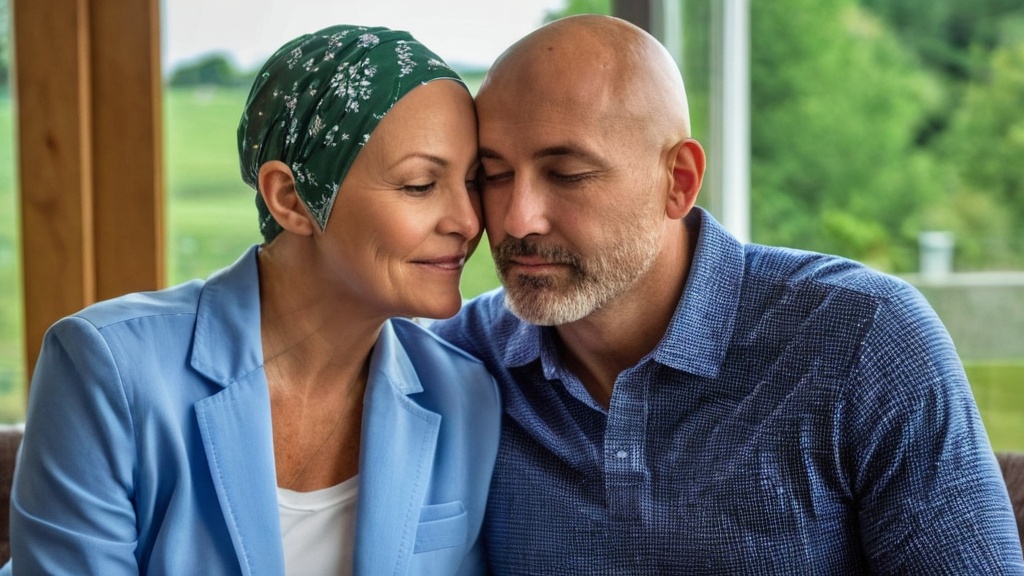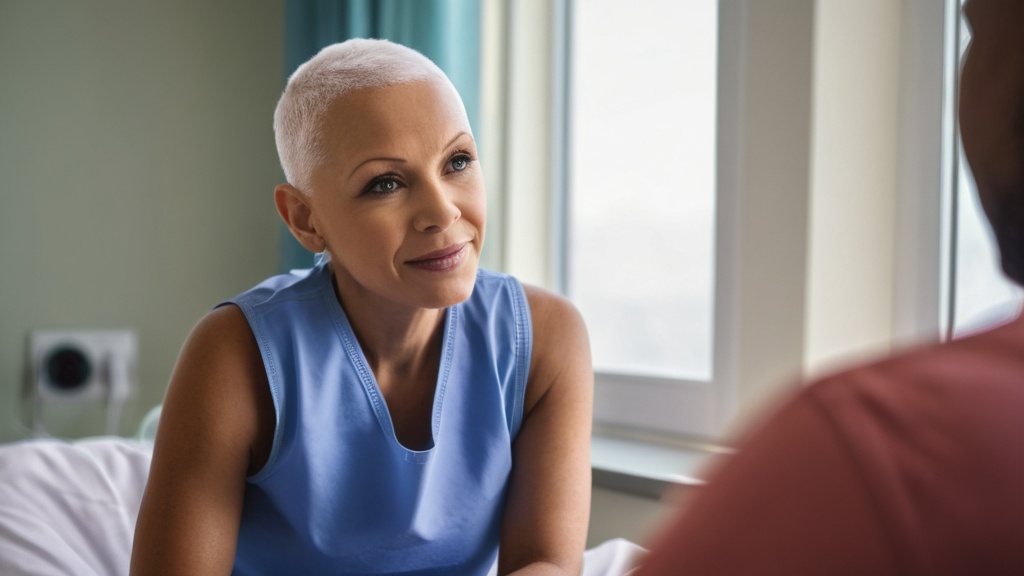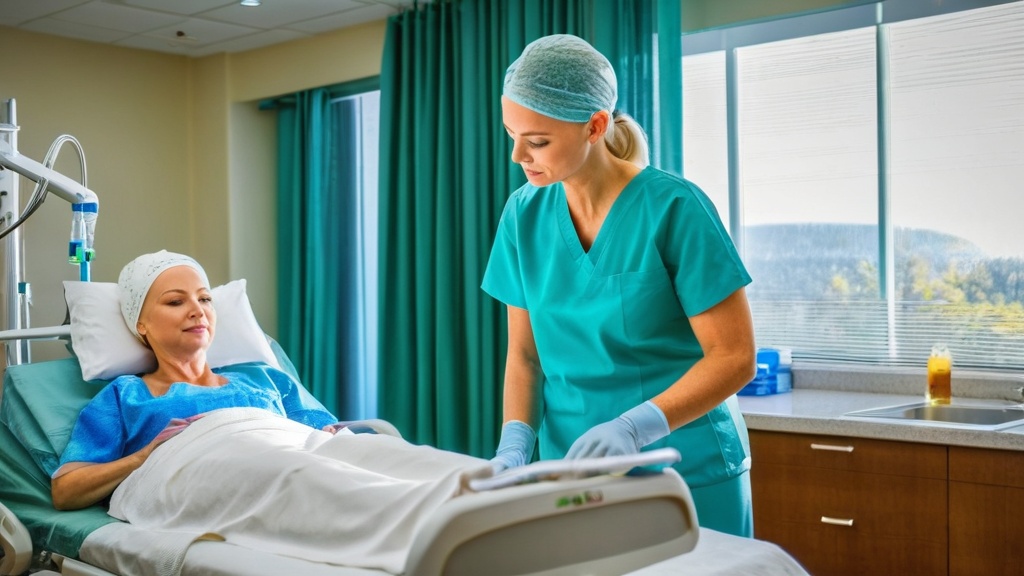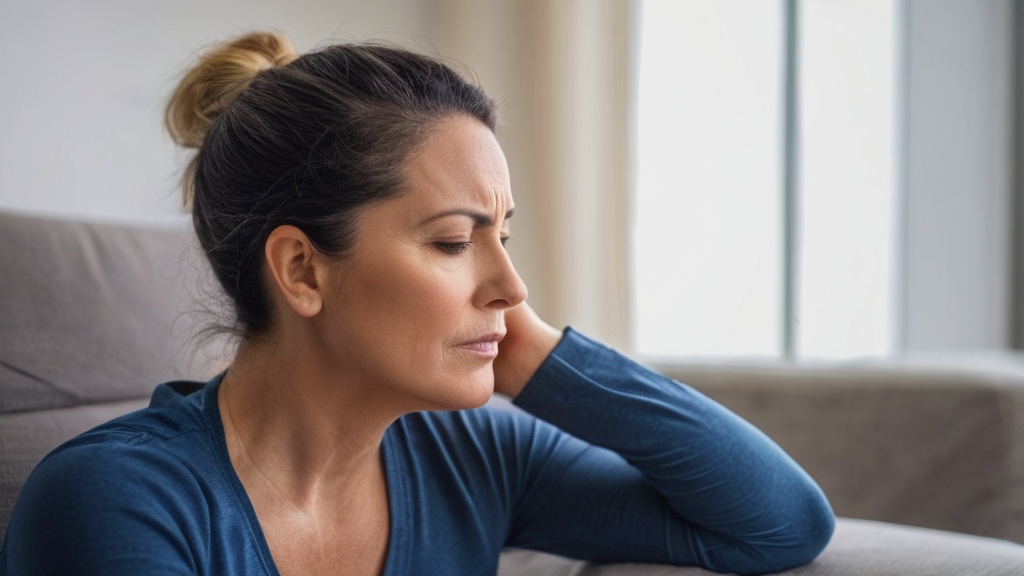
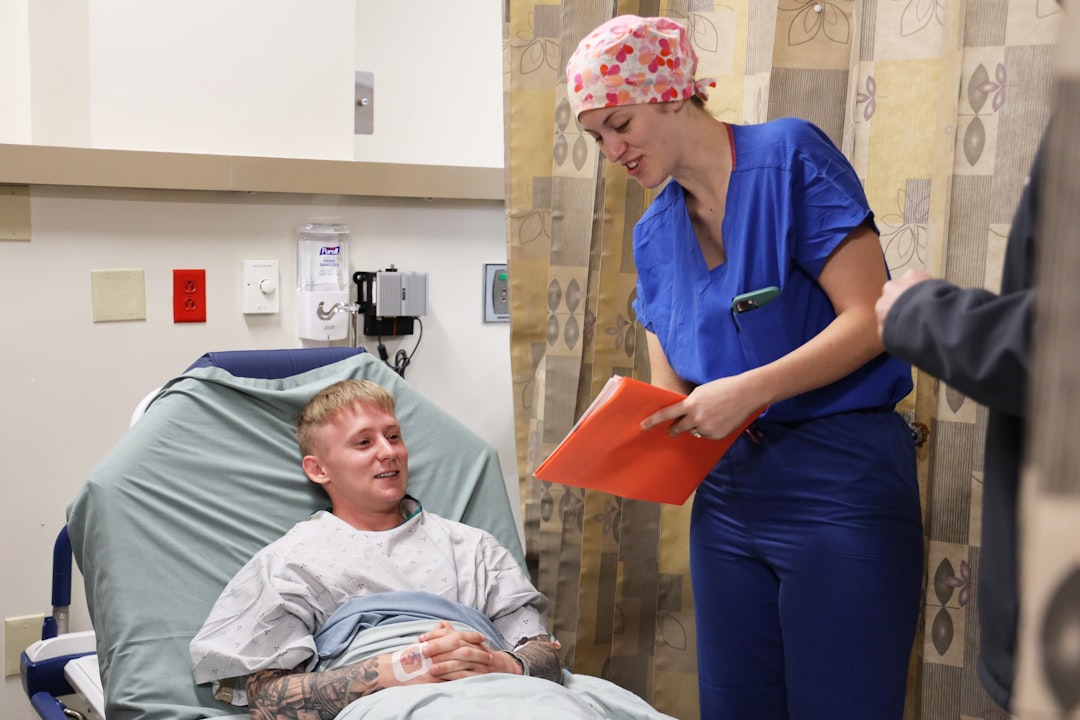
Imagine a storm has passed. You stand in the quiet aftermath. Sunlight breaks through the clouds. Your journey through cancer treatment was that storm. Now, a new day dawns. It’s a time for rebuilding, for rediscovering, and for embracing life anew. This is the landscape of recovery.
After treatment, your body needs gentle care. It has been through a lot. Listening to your body is key. Small steps lead to big changes.
The Power of Movement
Exercise can be a powerful ally. It helps restore strength. It boosts your mood too. Think of it as waking up your muscles.
Walking: A simple walk can make a difference. Start with short distances. Gradually increase your time. Even 15 minutes counts. Enjoy the fresh air. Notice your surroundings. This simple act combats fatigue. It helps your body heal.
Yoga: Gentle yoga can ease stiffness. It promotes flexibility. It also calves your mind. Focus on mindful poses. Breathe deeply during each movement. This practice connects you to your body. It helps reduce stress.
Strength Training: Light weights can build muscle. Consult your doctor first. They can advise on safe exercises. This helps prevent lymphedema. It improves your overall stamina. You’ll feel more capable.
Nourishing Your Body
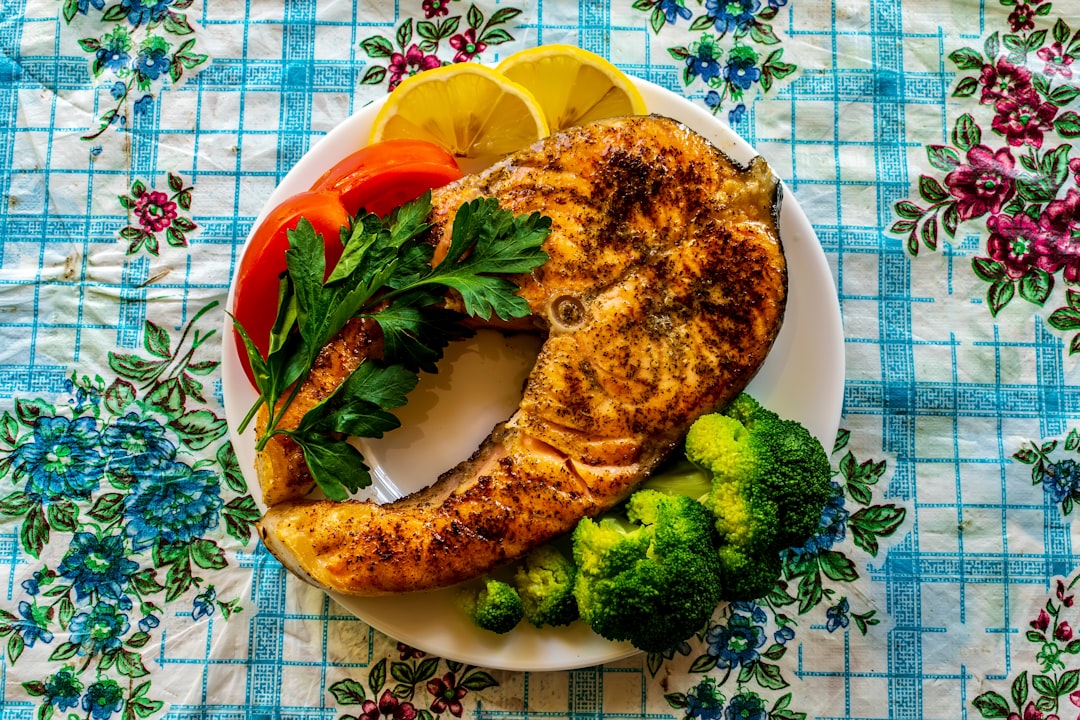
What you eat matters greatly. Fuel your body with good food. It aids healing and energy. Think of colorful fruits and vegetables.
Balanced Diet: Focus on whole foods. Include lean proteins. Smart fats are also important. Limit processed items. Hydration is crucial. Drink plenty of water. This supports your body’s functions.
Managing Appetite Changes: Treatment can affect your taste. Small, frequent meals often help. Experiment with different flavors. Don’t force yourself to eat. Talk to your doctor or a dietitian. They can offer personalized advice.
Navigating Emotional Landscapes
Cancer treatment impacts your emotions. It’s normal to feel a range of feelings. Acknowledging them is the first step. You are not alone in this.
Facing Fear and Anxiety
The fear of recurrence is common. It can linger after treatment ends. This worry can feel overwhelming. It’s a natural reaction.
Mindfulness: Practicing mindfulness helps. It brings you to the present moment. Focus on your breath. Observe your thoughts without judgment. This can lessen anxiety’s grip. You learn to live more fully now.
Seeking Support: Talking about your fears helps. Share with trusted friends or family. Support groups offer community. Connecting with others who understand is vital. You find shared experiences and coping strategies.
Embracing Your New Normal
Life after cancer is different. It’s not a return to how things were. It’s about creating a new “normal.” This can be a positive journey.
Finding Joy in Small Things: Appreciate everyday moments. A quiet cup of tea. A conversation with a loved one. The warmth of the sun. These simple pleasures have great value. They anchor you to happiness.
Setting Realistic Expectations: Don’t rush recovery. It takes time. Be patient with yourself. Celebrate small victories. Each day is a step forward. This outlook fosters resilience.
The Importance of Follow-Up Care
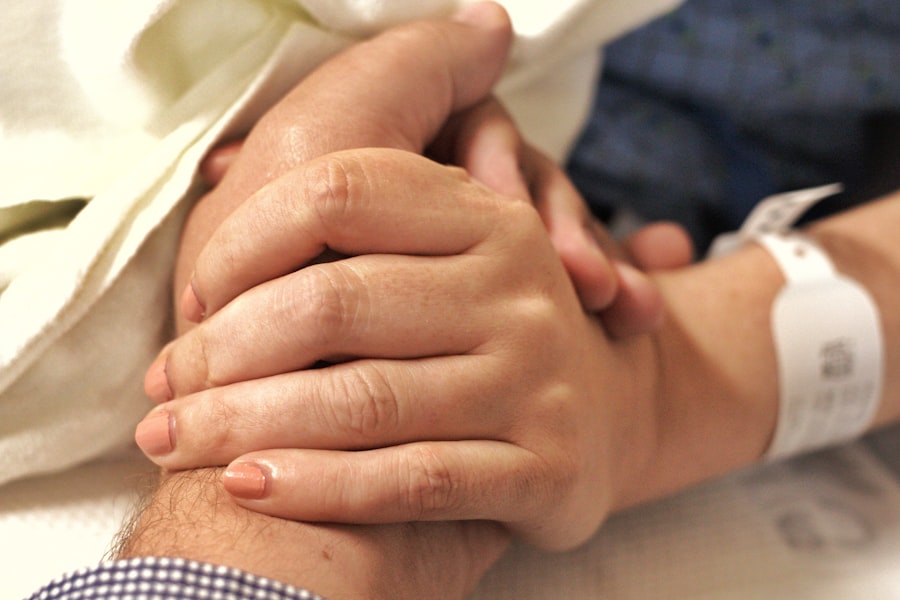
Your medical team remains important. Follow-up appointments are scheduled. These visits monitor your health. They check for any changes.
Regular Check-ups
These appointments are crucial. Your doctor looks for signs of recurrence. They manage any lingering side effects. They also discuss your long-term health. Prepare questions beforehand. Bring a friend or family member.
Understanding Your Care Plan
Know what to expect. Ask about screening schedules. Understand any recommended lifestyle changes. Your medical team guides you. They are partners in your ongoing health.
Building and Nurturing Your Support Network
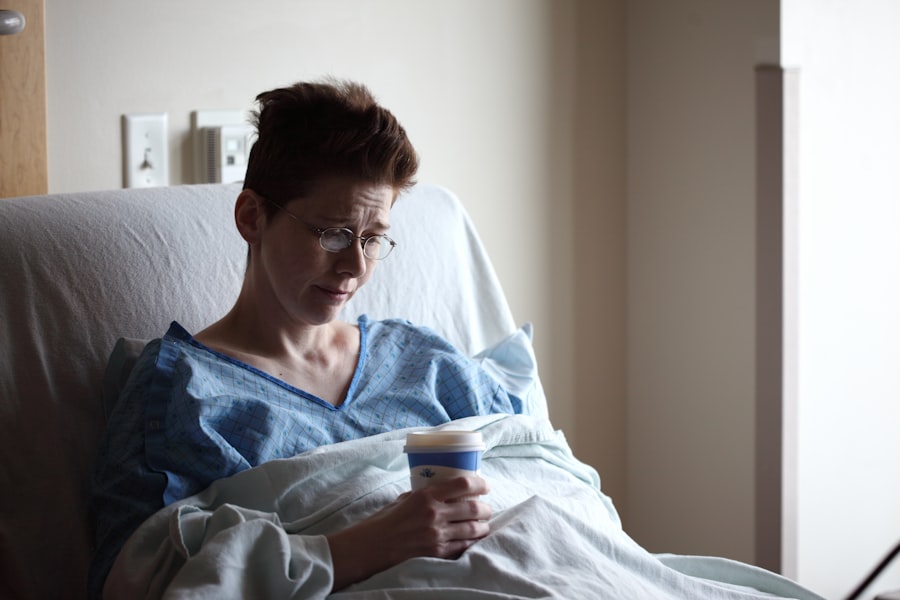
You have likely leaned on others. This support system is invaluable. Keep these connections strong. Build new ones too.
Connecting with Loved Ones
Your friends and family care deeply. They want to help. Let them in. Share your experiences openly. Accept their offers of assistance. Their love is a powerful force.
Finding Community
Cancer support groups offer more. They provide understanding. You meet people who truly get it. They share practical tips. They offer encouragement. This shared experience builds bonds.
Cultivating a Meaningful Life
| Recovery after Cancer Metrics | Statistics |
|---|---|
| Survival Rate | Percentage of people who survive cancer for a specific period of time after diagnosis |
| Quality of Life | Measure of physical, emotional, and social well-being during and after cancer treatment |
| Remission Rate | Percentage of people whose cancer is in remission after treatment |
| Recurrence Rate | Percentage of people whose cancer returns after a period of remission |
| Side Effects | Common physical and emotional effects of cancer treatment |
Recovery is more than just physical healing. It’s about living fully. It’s about purpose and connection. Your experience has shaped you.
Rediscovering Passions
What did you love before? What sparks your interest now? Revisit old hobbies. Explore new ones. Travel can broaden your horizons. Or simply enjoy time with friends.
Advocating for Yourself and Others
Your journey gives you a unique voice. You can advocate for others. Share your story if you wish. Support organizations working for cures. This can be empowering. It gives your experience purpose.
FAQs
What is cancer recovery?
Cancer recovery refers to the period of time after completing cancer treatment when the body and mind work to heal and regain strength. It involves physical, emotional, and psychological aspects of healing.
What are some common physical challenges during cancer recovery?
Common physical challenges during cancer recovery include fatigue, pain, weakness, changes in appetite, and potential side effects from treatment such as neuropathy or lymphedema.
How can emotional and psychological challenges be addressed during cancer recovery?
Emotional and psychological challenges during cancer recovery can be addressed through counseling, support groups, mindfulness practices, and other forms of therapy. It’s important to seek support and talk about feelings with loved ones or mental health professionals.
What role does exercise play in cancer recovery?
Exercise plays a crucial role in cancer recovery by helping to improve strength, reduce fatigue, manage stress, and enhance overall well-being. It is important to consult with healthcare professionals to develop a safe and effective exercise plan.
What are some important lifestyle changes to consider during cancer recovery?
Important lifestyle changes to consider during cancer recovery include maintaining a healthy diet, getting enough rest, managing stress, avoiding tobacco and excessive alcohol consumption, and staying up to date with medical check-ups and screenings.