Cancer treatment can be a long and challenging journey. You are not alone. While therapies fight cancer, they can also cause uncomfortable side effects. But here’s good news: managing these effects is crucial for your well-being. We will explore practical strategies to help you navigate this path with greater comfort and control.
Cancer treatments can affect your body in different ways. Knowing what to expect empowers you. Each person experiences side effects uniquely.
Nausea and Vomiting
Nausea can make you feel unwell. Vomiting expels stomach contents. Your medical team can prescribe anti-nausea medications. Eat small, frequent meals. Avoid strong smells and greasy foods. Some people find ginger helpful. Try ginger tea or ginger chews.
Fatigue
Fatigue is more than just tiredness. It’s a deep exhaustion that doesn’t improve with rest. This is a common side effect of many treatments. Prioritize rest when you can. Gentle exercise, like short walks, can sometimes help. Listen to your body and don’t push too hard. Breaking tasks into smaller steps makes them more manageable.
Mouth Sores (Oral Mucositis)
Mouth sores can be painful. They make eating and talking difficult. Keep your mouth clean. Rinse with salt water or baking soda solutions. Your doctor might suggest mouthwashes. Avoid spicy, acidic, or crunchy foods. Soft, bland foods are often easier to eat.
Pain
Pain comes in many forms. It can be sharp, dull, or aching. Discuss your pain openly with your doctor. They can help you find appropriate pain relief. This might include medication or complementary therapies. Heat or cold packs can sometimes soothe local pain. Distraction techniques, like listening to music, can also help.
Nutritional Support for Relief
Food is your fuel; choose it wisely. Proper nutrition supports your body’s healing. It helps manage many side effects.
Managing Appetite Changes
Your appetite might fluctuate. You might not feel hungry. Try eating nutrient-dense foods. Small, frequent meals are often better than large ones. Keep healthy snacks readily available. Examples include yogurt, fruit, or nuts.
Combating Nausea with Food Choices
Certain foods can worsen nausea. Greasy or spicy foods are common triggers. Opt for bland, easy-to-digest options. Toast, crackers, or plain rice can be good choices. Ginger is a well-known anti-nausea remedy. Try it in tea or candied form.
Addressing Diarrhea and Constipation
Treatment can disrupt your digestion. You might experience diarrhea or constipation. For diarrhea, focus on low-fiber foods. Bananas, rice, and applesauce can help. Stay hydrated by drinking plenty of fluids. For constipation, increase your fiber intake. Whole grains, fruits, and vegetables are good sources. Drink lots of water. Your doctor might recommend stool softeners.
Advanced Strategies and Emerging Therapies
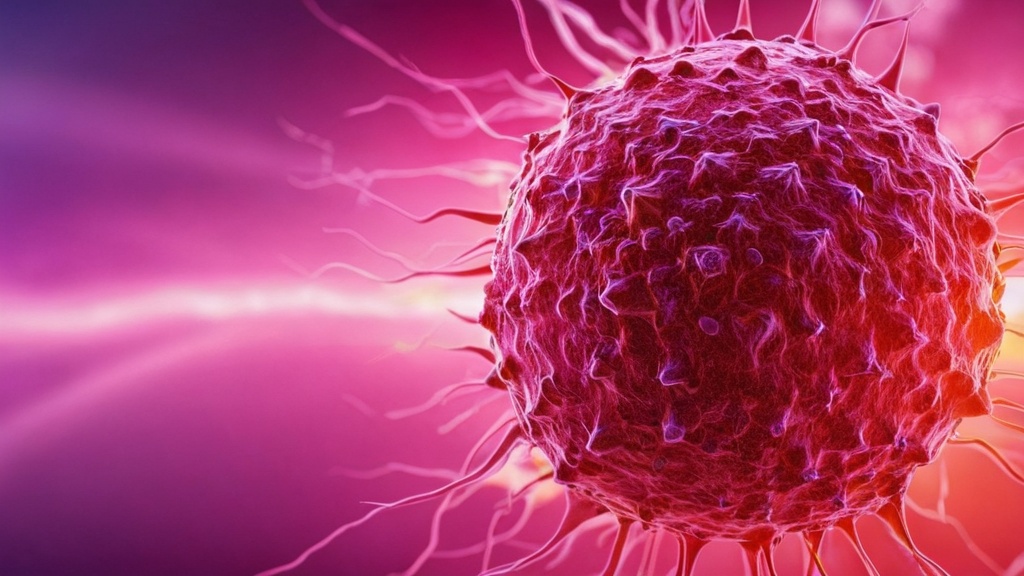
Cancer treatment is constantly evolving. New approaches minimize side effects. These innovations improve your quality of life.
Targeted Therapies
These therapies precisely attack cancer cells. They spare healthy tissues. This leads to fewer generalized side effects. Hair loss and severe nausea are often reduced. Targeted drugs specifically block cancer-driving pathways. They act like precision missiles.
Immunotherapies
Immunotherapies harness your body’s defenses. They train your immune system to fight cancer. Side effects are often different from chemotherapy. Fatigue is common, but often more manageable. The immune system is like an army, now better equipped.
Minimizing Toxicity with Personalized Plans
Doctors create personalized treatment plans. AI-driven systems optimize therapy selection. This custom approach reduces side effects. It ensures you receive the most effective treatment. Your treatment is tailored specifically for you.
Innovative Drug Delivery
New methods improve drug delivery. Acoustic Cluster Therapy is an example. It directs drugs more specifically to tumors. This lowers the frequency and severity of side effects. It also enhances effects of other treatments. This is like a smart delivery system.
Practical Self-Care and Comfort Measures
Taking care of yourself is paramount. Simple actions can make a big difference. These tips focus on your comfort and well-being.
Gentle Movement and Exercise
Regular, gentle exercise is beneficial. It can reduce fatigue and improve mood. Consult your doctor before starting any program. Walking or light stretching are good options. Even short bursts of activity help. Movement can be like a gentle breeze.
Managing Skin Changes
Some treatments affect your skin. It might become dry, itchy, or sensitive. Use a mild, unscented moisturizer. Avoid harsh soaps and hot water. Protect your skin from the sun. Wear soft, loose clothing. Your skin needs extra kindness.
Rest and Sleep Hygiene
Adequate rest is crucial for recovery. Create a comfortable sleep environment. Stick to a regular sleep schedule. Avoid caffeine and screens before bed. If sleep is difficult, talk to your doctor. A good night’s rest is restorative.
Emotional Well-being
Cancer treatment is emotionally taxing. It’s okay to feel overwhelmed. Seek support from friends, family, or support groups. Counseling or therapy can also be helpful. Practicing mindfulness or meditation can reduce stress. Your mental health matters deeply.
Resources and Support Networks
| Side Effect | Common Symptoms | Management Strategies | Monitoring Metrics |
|---|---|---|---|
| Nausea and Vomiting | Queasiness, vomiting, loss of appetite | Anti-nausea medications, dietary changes, hydration | Frequency of vomiting episodes, weight changes |
| Fatigue | Persistent tiredness, weakness | Rest, light exercise, energy conservation techniques | Daily activity levels, sleep quality |
| Pain | Localized or generalized pain | Pain medications, physical therapy, relaxation techniques | Pain intensity scales, medication usage |
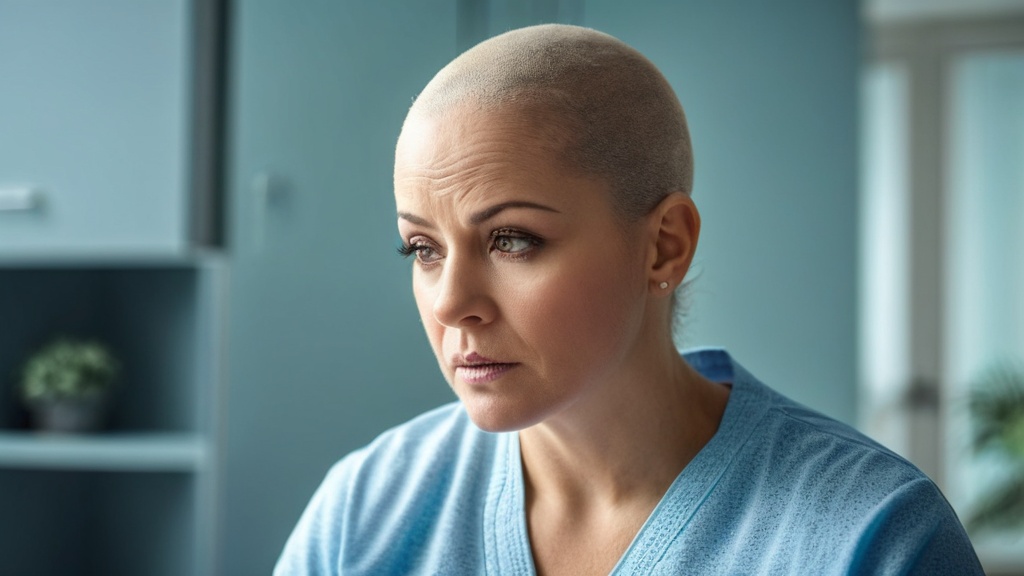
| Hair Loss | Thinning or loss of hair | Scalp cooling, wigs, counseling support | Extent of hair loss, patient emotional well-being |
| Infection Risk | Fever, chills, sore throat | Hygiene measures, antibiotics, avoiding crowds | White blood cell count, incidence of infections |
| Mouth Sores | Painful ulcers, difficulty eating | Mouth rinses, pain relief, soft diet | Number and size of sores, pain levels |
You don’t have to face this alone. Many resources are available. These networks offer guidance and understanding.
Consulting Your Healthcare Team
Your medical team is your primary resource. Do not hesitate to ask questions. They can provide specific advice for your situation. Share all your side effects, no matter how small. They want to help you.
Patient Advocacy Groups
Organizations like the National Cancer Institute offer valuable information. They provide updated guidelines and resources. These groups connect you with others. You can share experiences and support. They are like a guiding star.
Support Groups and Counseling
Connecting with peers helps immensely. Support groups offer a safe space. You can hear from others on a similar journey. Professional counseling provides emotional tools. It helps you cope with the psychological impact. Sharing burdens lightens the load.
Digital Health Tools
Many apps and online platforms help track symptoms. They can assist with medication reminders. These tools empower you to be proactive. Share data with your healthcare team. Technology can be a helpful assistant.
FAQs
What are common side effects of cancer treatment?
Common side effects of cancer treatment include fatigue, nausea, hair loss, pain, and changes in appetite. Side effects vary depending on the type of treatment such as chemotherapy, radiation, or surgery.
How can I manage nausea caused by cancer treatment?
Nausea can be managed by eating small, frequent meals, avoiding strong odors, staying hydrated, and taking prescribed anti-nausea medications. Consulting with your healthcare team for personalized advice is important.
What strategies help reduce fatigue during cancer treatment?
To reduce fatigue, patients are encouraged to rest when needed, engage in light physical activity as tolerated, maintain a balanced diet, and prioritize sleep. Managing stress and seeking support can also be beneficial.
Are there ways to prevent or treat hair loss from chemotherapy?
Hair loss from chemotherapy can sometimes be minimized by using cooling caps during treatment, though effectiveness varies. Wigs, scarves, and hats are common options to manage appearance changes. Discuss options with your care team.
When should I contact my doctor about side effects?
You should contact your doctor if side effects are severe, worsening, or interfering with daily activities. Symptoms like high fever, uncontrolled pain, persistent vomiting, or signs of infection require immediate medical attention.