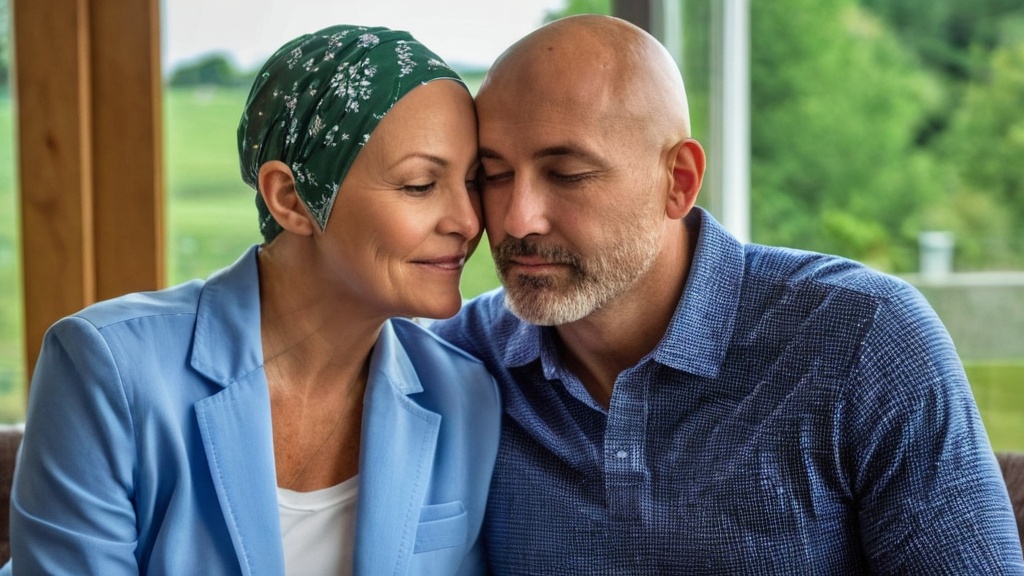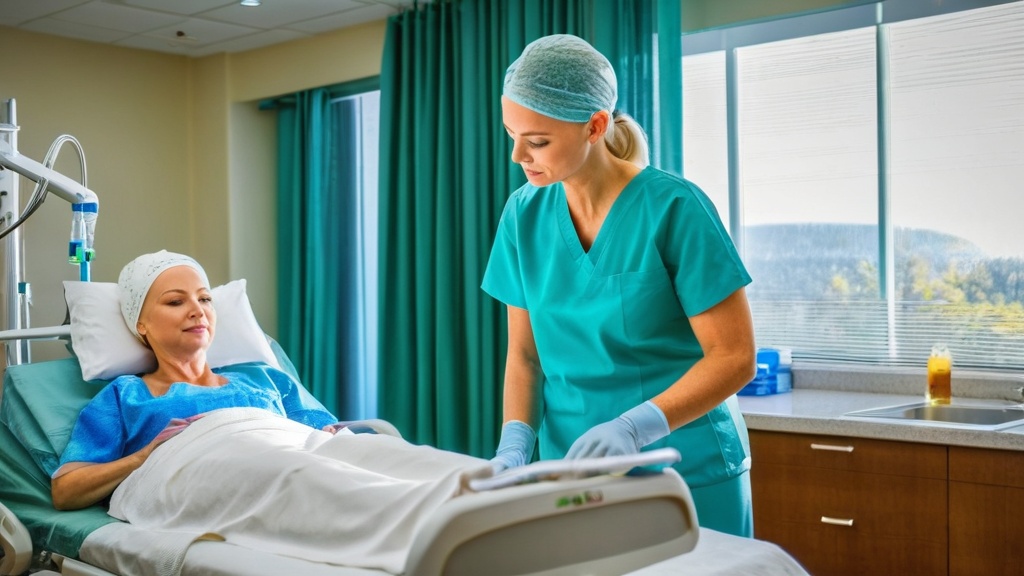

Facing a cancer diagnosis brings many challenges. You are not alone on this journey. Support groups offer a powerful community. They provide understanding and strength.
Finding the right support system is crucial. Cancer can feel isolating. Connecting with others helps immensely. You share common experiences.
What is a Cancer Support Group?
A cancer support group brings people together. They all face cancer. These groups offer a safe space. You can share feelings and information.
Members often discuss treatment side effects. They talk about emotional impacts. This shared experience creates strong bonds. You realize others understand your struggles.
Types of Support Groups
Many different groups exist. Some focus on specific cancer types. Others are for caregivers. You can find groups for young adults or survivors.
Online groups offer flexibility. In-person groups provide direct contact. Consider what best suits your needs. The American Cancer Society provides an online community. Their Cancer Survivors Network is available 24/7.
The Benefits of Shared Experiences
Sharing your story can be healing. Hearing from others offers new perspectives. This common ground builds resilience. It empowers you through difficult times.
Emotional Support and Validation
A diagnosis can cause anxiety and fear. Support groups provide emotional release. You can express worries without judgment. Others validate your feelings.
Imagine feeling overwhelmed by treatment decisions. A group member might share their similar choice. This validation helps you feel less alone. It confirms your feelings are normal.
Practical Advice and Information
Members often share practical tips. These range from managing side effects to navigating healthcare. They offer insights gained from experience. This information can be invaluable.
For example, someone might suggest a specific coping mechanism. They might recommend an effective resource. This collective knowledge helps you manage daily life. It extends beyond medical advice.
Reduced Feelings of Isolation
Cancer can make you feel very alone. Your friends and family may not fully understand. Support groups bridge this gap. They create a network of understanding.
You might feel isolated after a new symptom appears. Connecting with others can reassure you. They might have experienced something similar. This shared experience fosters connection.
Finding the Right Group for You
Choosing a support group involves personal preference. What works for one person may not work for another. Explore your options carefully. Find a group that feels right.
Online Resources and Platforms
Many organizations offer online support. These platforms provide accessibility. You can connect from anywhere. Cancer Care offers online groups. These are led by oncology social workers.
The American Cancer Society offers the ACS CARES app. This supports both patients and caregivers. Online communities provide continuous access. You can connect when you need it most.
In-Person Meetings
Some prefer face-to-face interaction. In-person groups offer direct comfort. They build a strong sense of community. Cancer Care also has live groups in some locations.
Seeing people in person can be reassuring. You read body language and expressions. This creates a different kind of connection. It offers a tangible sense of presence.
Specialized Groups
Specific diagnoses often have dedicated groups. Facing Our Risk offers hereditary cancer support. These groups meet on Zoom. Trained volunteers lead the sessions.
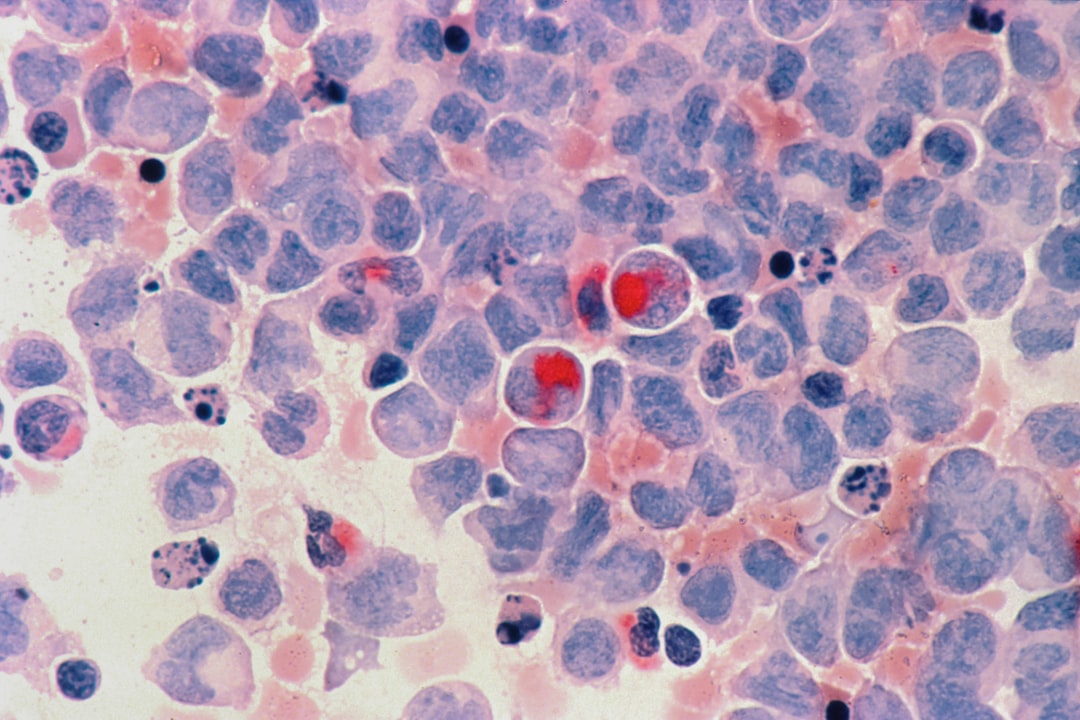
If you have Acute Myeloid Leukemia, the Cancer Support Community is researching it. This focus allows for deeper discussions. You connect with people facing similar medical challenges.
Making the Most of Your Support Group

Active participation enhances your experience. Be open and honest. Listen to others. Contribute when you feel ready.
Sharing Your Story
Tell your story when you feel comfortable. Sharing your journey can be therapeutic. It also helps others. They learn from your experiences.
You do not need to share everything at once. Start with what feels safe. Group members appreciate authenticity. Your openness fosters trust.
Listening and Learning
Listen actively to others. Their stories offer different perspectives. You may hear solutions you had not considered. Learning from peers is powerful.
Someone might describe a coping strategy. You could try it yourself. This knowledge exchange enriches everyone. It expands your understanding.
Respecting Confidentiality
Support groups thrive on trust. Confidentiality is essential. What is shared in the group stays in the group. This protects everyone’s privacy.
This creates a safe environment. Members feel comfortable opening up. Respecting this builds a stronger community. It fosters mutual trust.
Broader Community Resources and Events
| Support Group Name | Location | Meeting Schedule | Contact Information |
|---|---|---|---|
| Hope and Healing | City Hospital, 123 Main St. | Every Tuesday at 6pm | [email protected] |
| Survivors United | Community Center, 456 Elm St. | Every Thursday at 7pm | [email protected] |
| Strength in Numbers | Church, 789 Oak St. | Every Saturday at 10am | [email protected] |
Beyond traditional groups, other resources exist. Public forums and educational series enhance your knowledge. These events offer valuable insights. They connect you with experts.
Educational Seminars
Organizations host events with specialists. These seminars cover various topics. They discuss treatments, prevention, and costs. Parkway Cancer Centre organizes “Lessons for Life.” This public forum features cancer specialists.
The Cleveland Clinic offers a virtual education series. “Survive and Thrive” supports cancer survivors. These events provide up-to-date information. They empower you with knowledge.
Special Programs for Survivors
Many programs focus on life after treatment. These help individuals navigate survivorship. They address ongoing physical and emotional needs. These programs foster well-being.
Survivorship programs might offer exercise classes. They might include nutrition workshops. These resources help you thrive post-treatment. They support your long-term health.
Engaging with the Larger Cancer Community
Hospitals and cancer centers often have resources. They connect patients with support services. Ask your healthcare team about local options. They can guide you effectively.
These larger communities provide advocacy. They fund research and create awareness. Participating expands your impact. You contribute to a broader mission.
The Power of Connection: Real-Life Impact
Connecting with others changes your cancer journey. It transforms feelings of isolation into solidarity. This shared path provides immense strength. It helps you navigate challenges.
Imagine a moment of despair during chemotherapy. A group member shares a similar experience. They offer encouraging words. This connection can lift your spirits immediately.
Consider struggling with side effects. A group member advises on managing them. This practical help improves your daily comfort. It makes a tangible difference.
Support groups offer more than just advice. They provide a space for empathy. They foster resilience. They remind you that you are not alone.
The emotional benefits are scientifically documented. Studies show a link between social support and improved well-being. It can lead to better quality of life. This powerful tool aids your journey.
Connecting with others who understand is truly impactful. It provides comfort and understanding. You don’t have to face cancer by yourself. There is a community ready to support you.
FAQs
What are cancer support groups?
Cancer support groups are gatherings of individuals affected by cancer, including patients, survivors, caregivers, and loved ones, who come together to share their experiences, provide emotional support, and exchange information and resources related to cancer.
What are the benefits of joining a cancer support group?
Joining a cancer support group can provide emotional support, reduce feelings of isolation, offer a sense of community, provide practical advice and information, and help individuals cope with the challenges of cancer diagnosis and treatment.
How can I find a cancer support group?
Cancer support groups can be found through hospitals, cancer treatment centers, community organizations, and online resources. Healthcare providers, social workers, and patient advocacy organizations can also provide information and referrals to cancer support groups.
What types of cancer support groups are available?
There are various types of cancer support groups, including general cancer support groups, specific cancer type support groups (e.g., breast cancer, prostate cancer), age-specific groups (e.g., young adult cancer support groups), and groups for caregivers and family members.
Are cancer support groups confidential?
Cancer support groups typically maintain confidentiality to create a safe and supportive environment for participants to share their experiences and concerns. Participants are often encouraged to respect each other’s privacy and not share personal information outside of the group.