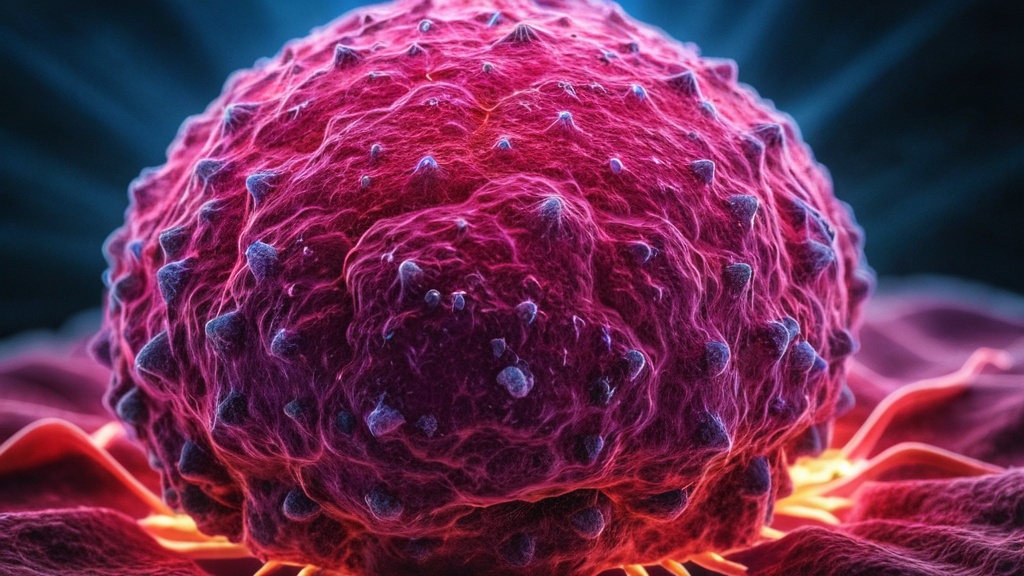

Nutrition significantly impacts cancer treatment outcomes and patient well-being. A balanced diet helps patients preserve physical strength, mitigate treatment-related side effects, and facilitate recovery processes. Clinical evidence demonstrates that adequate nutrition improves therapeutic responses and enhances overall quality of life in cancer patients (American Cancer Society, 2021).
Cancer treatments impose substantial physiological stress on the body, resulting in elevated nutritional requirements. Chemotherapy frequently causes adverse effects including fatigue and nausea, necessitating the consumption of nutrient-dense foods that deliver essential energy and support bodily functions. Proper nutrition also maintains immune system efficiency, which is critical for preventing opportunistic infections during treatment when immune function may be compromised.
Key Takeaways
- Proper nutrition is crucial for supporting the body and improving outcomes during cancer treatment.
- Incorporating nutrient-dense foods helps manage treatment side effects and promotes healing.
- Staying well-hydrated is essential for overall health and treatment tolerance.
- Avoiding certain foods and using supplements wisely can enhance nutritional status.
- Professional guidance from dietitians can tailor meal plans to individual needs and challenges.
Nutrient-Rich Foods to Incorporate into Your Diet
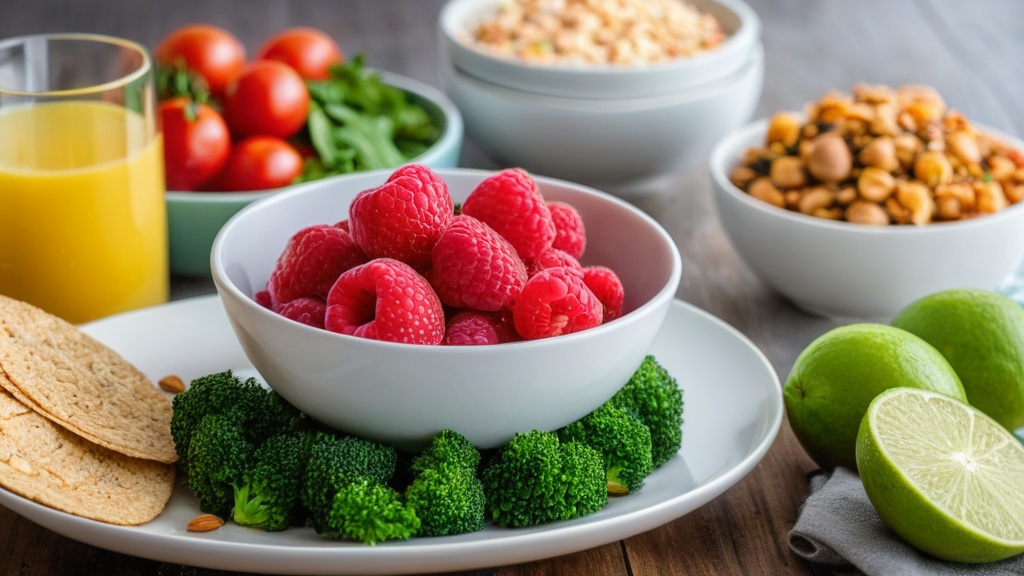
Incorporating a variety of nutrient-rich foods into your diet can make a significant difference. Focus on fruits and vegetables, whole grains, lean proteins, and healthy fats. These foods provide essential vitamins and minerals that support your body during treatment.
For example, leafy greens like spinach and kale are packed with vitamins A, C, and K. They also contain antioxidants that may help protect cells from damage. Whole grains such as brown rice and quinoa offer fiber and energy, which are important for maintaining strength.
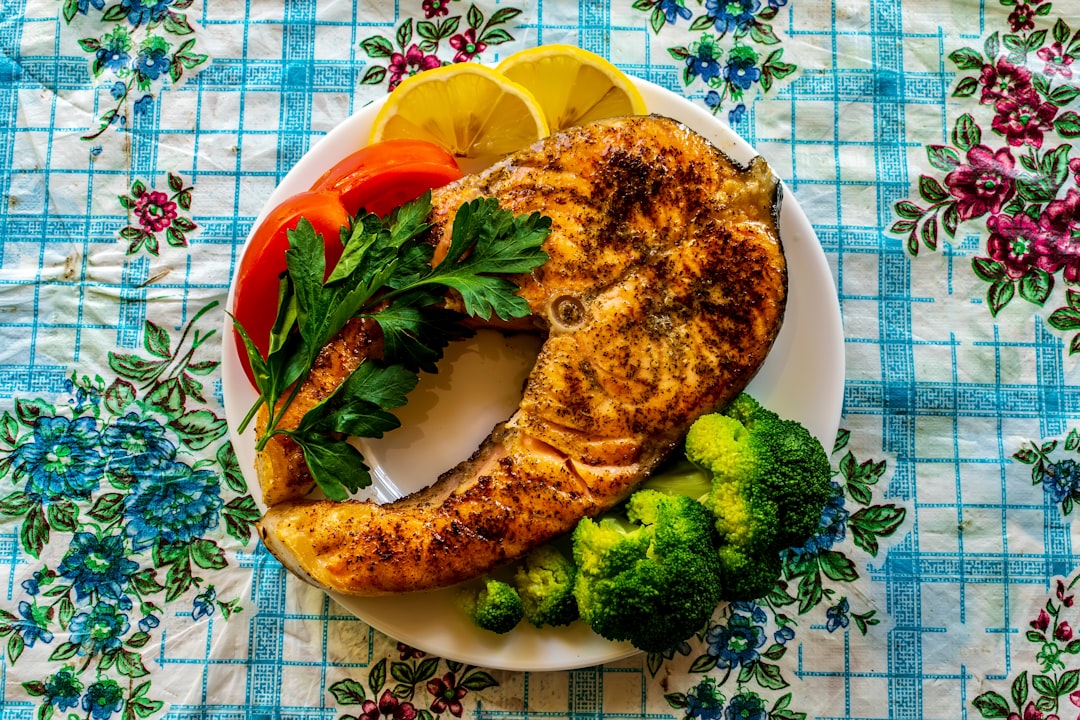
Lean proteins like chicken, fish, and legumes help repair tissues and support immune function.
Managing Side Effects of Treatment with the Right Foods

Cancer treatments often come with side effects that can affect appetite and digestion. Nausea, vomiting, and changes in taste are common challenges. Choosing the right foods can help alleviate these symptoms.
For nausea, bland foods like crackers or toast can be easier to tolerate. Ginger tea or ginger candies may also help soothe an upset stomach. If you experience changes in taste, try experimenting with herbs and spices to enhance flavors.
For instance, adding garlic or lemon juice can make meals more appealing.
Hydration and its Role in Supporting Your Body
Staying hydrated is essential during cancer treatment. Proper hydration helps maintain energy levels, supports digestion, and aids in nutrient absorption. Dehydration can worsen fatigue and other side effects.
Aim to drink plenty of fluids throughout the day. Water is the best choice, but herbal teas and clear broths can also contribute to your hydration goals. If you find plain water unappealing, try infusing it with fruits like lemon or berries for added flavor.
Remember that foods with high water content, such as cucumbers and watermelon, can also help keep you hydrated.
Creating a Balanced Meal Plan for Optimal Energy and Healing
| Food Category | Recommended Foods | Benefits During Cancer Treatment | Notes |
|---|---|---|---|
| Proteins | Lean meats, poultry, fish, eggs, tofu, legumes, dairy | Helps repair body tissues and maintain muscle mass | Choose low-fat options to reduce saturated fat intake |
| Fruits and Vegetables | Leafy greens, berries, carrots, broccoli, citrus fruits | Rich in antioxidants and vitamins to support immune system | Wash thoroughly to avoid infections |
| Whole Grains | Brown rice, whole wheat bread, oats, quinoa | Provides fiber to aid digestion and maintain energy levels | Helps prevent constipation common during treatment |
| Healthy Fats | Avocado, nuts, seeds, olive oil, fatty fish | Supports cell health and reduces inflammation | Consume in moderation to maintain calorie balance |
| Fluids | Water, herbal teas, clear broths, diluted fruit juices | Prevents dehydration and helps manage side effects | Avoid sugary and caffeinated beverages |
| Foods to Limit | Processed meats, fried foods, sugary snacks, alcohol | May increase inflammation and interfere with treatment | Consult with healthcare provider for personalized advice |
A balanced meal plan is key to providing your body with the nutrients it needs during treatment. Aim for a variety of foods from all food groups to ensure you get a wide range of nutrients. This approach not only supports healing but also helps maintain energy levels.
Consider planning meals around your treatment schedule. For example, if you know you’ll feel fatigued after treatment, prepare easy-to-eat meals in advance. Include snacks like yogurt or nuts for quick energy boosts throughout the day.
A well-structured meal plan can make it easier to stick to healthy eating habits.
Foods to Avoid and Limit During Treatment
While focusing on nutrient-rich foods is important, it’s equally crucial to know which foods to limit or avoid during treatment. Some foods can exacerbate side effects or interfere with treatment effectiveness. Processed foods high in sugar and unhealthy fats should be minimized.
These foods can lead to weight gain and may not provide the nutrients your body needs. Additionally, raw or undercooked foods pose a risk of infection due to a weakened immune system during treatment. Always opt for well-cooked meals to ensure safety.
The Role of Supplements in Supporting Your Nutrition
Supplements can play a supportive role in nutrition during cancer treatment, but they should not replace whole foods. Some patients may struggle to meet their nutritional needs through diet alone due to side effects or dietary restrictions. Before starting any supplements, consult with a healthcare professional or registered dietitian.
They can help determine if you need additional vitamins or minerals based on your specific situation. For example, vitamin D and calcium may be beneficial for bone health, while omega-3 fatty acids can support heart health.
Tips for Managing Changes in Appetite and Taste
Changes in appetite and taste are common during cancer treatment. These changes can make it challenging to maintain a balanced diet. However, there are strategies to help manage these issues effectively.
Try eating smaller, more frequent meals instead of three large ones. This approach can make it easier to consume enough calories without feeling overwhelmed. Additionally, focus on nutrient-dense snacks like smoothies or protein bars that are easy to prepare and consume.
Experimenting with different textures and temperatures can also help. Some people find that cold foods are more appealing when they have a metallic taste from treatment. For example, chilled fruit salads or yogurt parfaits might be more enjoyable than hot meals.
Meal Planning and Preparation Tips for Easy and Nutritious Eating
Meal planning can simplify the process of eating well during treatment. Preparing meals in advance saves time and reduces stress when you’re not feeling your best. Here are some tips to make meal prep easier.
Start by creating a weekly menu that includes breakfast, lunch, dinner, and snacks. Choose recipes that use similar ingredients to minimize waste and save money. Batch cooking is another effective strategy; prepare larger portions of meals that freeze well for easy reheating later.
Keep healthy snacks on hand for quick access when hunger strikes. Nuts, yogurt, or pre-cut vegetables with hummus are great options that require little preparation.
Seeking Support from a Registered Dietitian or Nutritionist
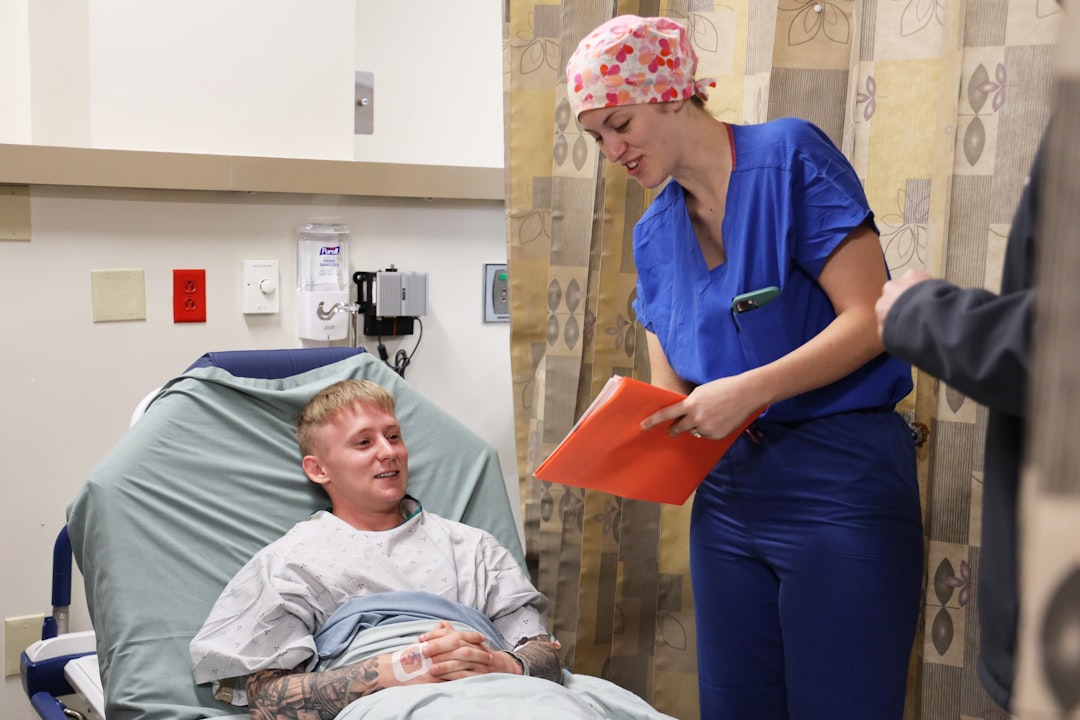
Navigating nutrition during cancer treatment can be overwhelming. Seeking support from a registered dietitian or nutritionist can provide personalized guidance tailored to your needs. These professionals have specialized training in oncology nutrition and can help you create a meal plan that meets your specific requirements.
They can also offer strategies for managing side effects and suggest appropriate supplements if needed. Don’t hesitate to reach out for support; having an expert on your side can make a significant difference in your overall well-being during treatment.
Navigating Special Dietary Needs and Restrictions During Treatment
Some cancer patients may have special dietary needs due to other health conditions or personal preferences. It’s important to address these needs while ensuring adequate nutrition during treatment. For example, individuals with diabetes may need to monitor their carbohydrate intake closely while still focusing on nutrient-dense foods.
Similarly, those following vegetarian or vegan diets should ensure they get enough protein from plant-based sources like beans, lentils, and tofu. Communicate openly with your healthcare team about any dietary restrictions you have. They can help you find suitable alternatives that align with your treatment goals while still meeting your nutritional needs.
In conclusion, nutrition plays a vital role in supporting individuals undergoing cancer treatment. By focusing on nutrient-rich foods, managing side effects with the right choices, staying hydrated, and seeking professional guidance when needed, patients can enhance their overall health and well-being during this challenging time. Remember that every small step toward better nutrition counts in the journey toward healing.
FAQs
What types of foods are recommended during cancer treatment?
During cancer treatment, it is generally recommended to eat a balanced diet rich in fruits, vegetables, whole grains, lean proteins, and healthy fats. These foods help maintain strength, support the immune system, and promote healing.
Are there specific foods to avoid during cancer treatment?
Yes, it is advisable to avoid raw or undercooked seafood, eggs, and meat to reduce the risk of infection. Limiting processed foods, sugary snacks, and excessive alcohol is also recommended, as they can negatively impact overall health and treatment effectiveness.
How can I manage side effects of cancer treatment through diet?
Managing side effects like nausea, mouth sores, or loss of appetite can be aided by eating small, frequent meals, choosing soft or bland foods, staying hydrated, and avoiding spicy or acidic foods that may irritate the mouth or stomach.
Is it important to stay hydrated during cancer treatment?
Yes, staying well-hydrated is crucial during cancer treatment to help the body cope with side effects, support kidney function, and maintain overall health. Drinking water, herbal teas, and clear broths are good options.
Should I take dietary supplements during cancer treatment?
Before taking any dietary supplements, it is important to consult with your healthcare team. Some supplements can interfere with treatment or cause harmful side effects.
Can nutrition help improve treatment outcomes?
Good nutrition can help maintain body weight, improve energy levels, and support the immune system, which may contribute to better treatment tolerance and recovery. However, nutrition is one part of a comprehensive cancer care plan.
What if I have difficulty eating during treatment?
If eating is difficult, consider working with a dietitian who specializes in oncology nutrition. They can provide personalized advice and suggest alternative ways to meet nutritional needs, such as nutritional shakes or tube feeding if necessary.