
A cancer diagnosis changes everything. You focus on survival. But what about your future? Many cancer treatments can harm your fertility. This piece explores options. It helps you understand how to protect your ability to have children later.
Understanding the Impact on Fertility
Cancer treatments save lives. Yet, they can damage reproductive organs. Chemotherapy and radiation are common culprits. They target fast-growing cells. This often includes eggs in ovaries and sperm in testes.
Chemotherapy’s Role
Chemotherapy drugs are powerful. They fight cancer cells throughout your body. Some drugs are toxic to ovaries. They can deplete your egg supply. This leads to premature menopause. For men, some drugs harm sperm production. This can cause temporary or permanent infertility.
Radiation’s Reach
Radiation therapy uses high-energy rays. It destroys cancer cells in a specific area. If radiation targets the pelvis, it may damage ovaries or testes. Whole-body radiation for bone marrow transplants also risks fertility. Even radiation far from reproductive organs can have an impact.
Surgery and Hormones
Some surgeries remove reproductive organs. For example, an oophorectomy removes ovaries. This directly impacts fertility. Hormone therapies also affect fertility. They can temporarily halt ovulation or sperm production. Discuss these risks with your care team.
Proactive Steps: Fertility Preservation Options
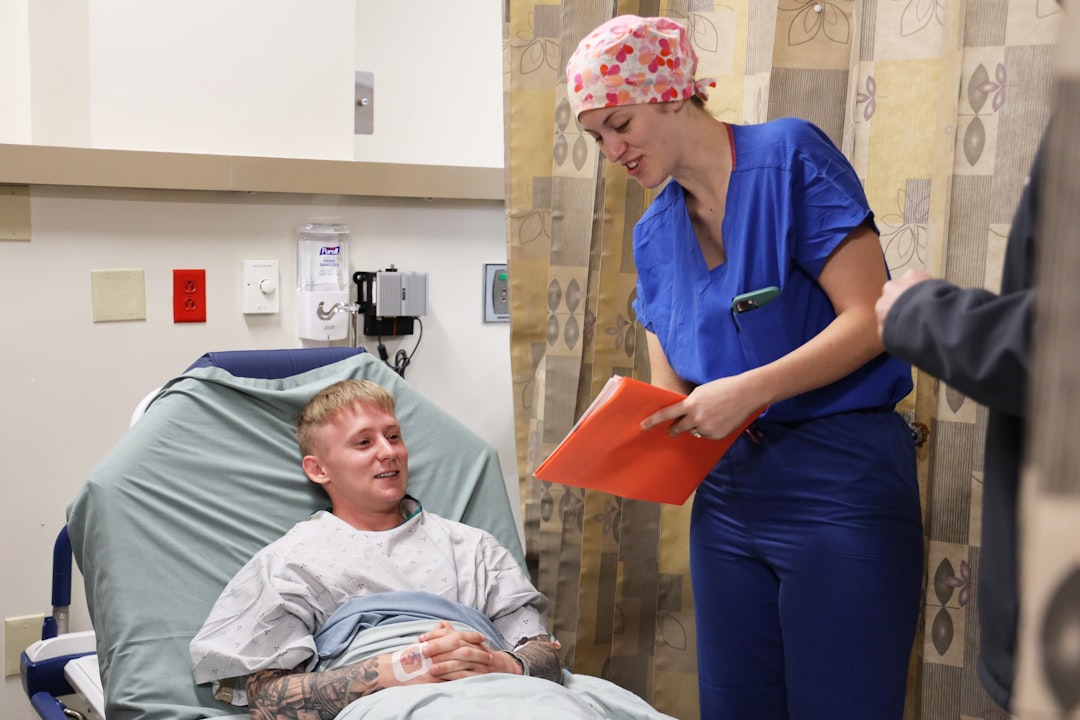
You have choices to protect your fertility. Discuss these options soon after diagnosis. Time is often critical. A fertility specialist can guide you.
Egg and Embryo Freezing
Egg and embryo freezing are established methods. Women can freeze eggs or embryos. This happens before cancer treatment starts.
Egg Freezing:
This process involves hormone injections. These stimulate your ovaries. They produce multiple eggs. A doctor then retrieves these eggs. They are frozen and stored. You can use them later with in vitro fertilization (IVF). This method offers future possibilities.
Embryo Freezing:
Embryo freezing is similar. Eggs are retrieved. They are then fertilized with sperm. This creates embryos. These embryos are frozen. They can be thawed and transferred to the uterus later. Embryo freezing often has higher success rates than egg freezing. It requires a partner or donor sperm.
Sperm Freezing
Men have a straightforward option. Sperm cryopreservation is standard. This process is simple and quick.
Sperm Banking:
Men provide sperm samples. These samples are frozen. They are stored for future use. This is usually done before treatment. Frozen sperm can be used for IVF or artificial insemination. It offers peace of mind.
Ovarian Tissue Cryopreservation (OTC)
OTC is a valuable option. It can be performed urgently. This is true even before chemotherapy starts.
Tissue Banking:
A surgeon removes a small piece of ovarian tissue. This tissue contains immature eggs. It is frozen and stored. After cancer treatment, the tissue can be re-implanted. The ovary may then regain function. This method is especially helpful for young girls. It is also good for those needing urgent treatment. ASCO guidelines now include OTC as a standard option.
Advanced Strategies and Emerging Techniques
Medical science continues to evolve. New methods offer more hope. These options expand possibilities for patients.
Ovarian Transposition
Ovarian transposition is a surgical method. It involves repositioning the ovaries. This moves them away from the radiation field.
Pelvic Radiation Protection:
A surgeon moves the ovaries higher in the abdomen. This protects them from radiation damage. After treatment, they can be moved back. This technique helps preserve ovarian function. It is mainly used for pelvic radiation. ASRM endorses uterine transposition/fixation for pelvic radiation.
Conservative Gynecologic Surgery
Sometimes, surgery is necessary. Conservative approaches aim to spare fertility.
Targeted Removal:
For some gynecologic cancers, a surgeon removes only the affected part. They leave healthy tissue intact. For example, a doctor might remove only part of the cervix. This preserves the uterus and ovaries. It allows for future pregnancy.
GnRH Agonists
GnRH agonists are a controversial option. They may offer some protection.
Ovarian Suppression:
These drugs put the ovaries into a temporary dormant state. They may make eggs less vulnerable. ASCO gives conditional use for GnRHa for ovarian suppression. ASRM notes GnRH agonists for breast cancer but not as a replacement for cryopreservation. It is not considered a primary fertility preservation option. Discuss this with your oncologist.
In Vitro Maturation (IVM)
IVM is an emerging technique. It offers promise for specific situations.
Immature Egg Retrieval:
Doctors retrieve immature eggs. They mature these eggs in a lab. Then, they can be fertilized and frozen. IVM avoids extensive hormone stimulation. This can be beneficial for those who cannot delay treatment. ASRM notes emerging IVM.
Navigating the Practicalities: Time, Cost, and Support
Fertility preservation involves practical considerations. Understanding these helps you make informed choices.
The Race Against Time
A cancer diagnosis is urgent. You need to act quickly. Discuss fertility preservation immediately. Treatment often starts within weeks. Mayo Clinic notes no evidence preservation delays harm cancer treatment. Your oncologist and fertility specialist must coordinate.
Financial Landscape
Cost can be a major barrier. Fertility preservation procedures are expensive.
Insurance Coverage:
Good news is on the horizon. By October 2025, 21 states and Washington, D.C., mandate insurance coverage. This includes egg, embryo, sperm, and ovarian tissue freezing. This eases the financial burden. Check your state’s specific laws. The ECHO Program, by American Cancer Society and Alliance for Fertility Preservation, will host a session on payment for services in February 2026 to boost access.
Financial Aid:
Many organizations offer financial assistance. Research programs for cancer patients. Local hospitals may also have resources. Do not let cost deter you initially. Explore all avenues.
Building Your Support Team
You are not alone in this journey. A strong support system is vital.
Medical Team:
Your oncologist works closely with a fertility specialist. They discuss your prognosis. They assess your fertility risks. They devise a comprehensive plan. Trust their expertise.
Psychological Support:
Cancer and fertility decisions are emotional. Seek counseling or support groups. Sharing experiences can be helpful. Mental well-being is crucial.
Family and Friends:
Lean on loved ones. They can offer practical and emotional help. Let them be a source of strength.
Life After Treatment: Family Planning
You have completed cancer treatment. Now, you look to the future. Family planning becomes a focal point.
Using Frozen Reproductive Material
If you preserved eggs, embryos, or sperm, you can use them. Fertility clinics guide you through the process.
IVF and Implantation:
For women, frozen eggs or embryos are thawed. They are then implanted into your uterus. For men, frozen sperm can fertilize eggs. Many healthy babies are born through these methods. ASRM notes safe offspring outcomes post-treatment.
Natural Conception
Some individuals regain natural fertility. This depends on treatment type and age.
Monitoring and Waiting:
Your doctor monitors your reproductive hormones. They assess your fertility status. Some women resume ovulation naturally. Some men regain sperm production. patience is key. Give your body time to heal.
Alternative Paths to Parenthood
If natural conception is not possible, other options exist.
Adoption:
Adoption offers a wonderful path to parenthood. Many agencies facilitate this process. You can provide a loving home.
Donor Gametes:
Donor eggs or sperm are options for some. This allows you to experience pregnancy. It fulfills the desire for a family.
Ongoing Research and Future Prospects
Science constantly advances. New breakthroughs offer even more hope.
Fertility Trends and Outcomes
Researchers continually study fertility preservation. They assess trends and outcomes.
Women’s Health:
A 2026 Frontiers in Endocrinology study assesses fertility preservation trends. It looks at outcomes in women before cancer treatment. This research provides valuable insights.
Genetic Health of Offspring
A common concern is the health of children. Parents worry about their genetic risk.
Safety Assurances:
Studies consistently show safe outcomes. Children born after fertility preservation are healthy. There is no increased risk of congenital abnormalities. This offers reassurance.
Cancer treatment is a difficult journey. But protecting your fertility is an empowering step. Knowledge is your best tool. Act quickly. Discuss your options with your medical team. You are a resilient individual. You deserve to control your future.
FAQs
What is cancer fertility and how does cancer affect fertility?
Cancer fertility refers to the ability to conceive and have children after a cancer diagnosis and treatment. Cancer and its treatments, such as chemotherapy, radiation, and surgery, can negatively impact fertility by damaging reproductive organs, affecting hormone levels, or reducing the number and quality of eggs or sperm.
Can cancer treatments cause infertility?
Yes, certain cancer treatments can cause temporary or permanent infertility. Chemotherapy and radiation can harm the ovaries or testes, leading to reduced fertility or infertility. The risk depends on the type and dose of treatment, the patient’s age, and the specific cancer being treated.
Are there fertility preservation options available for cancer patients?
Yes, there are several fertility preservation options for cancer patients, including egg or sperm freezing, embryo freezing, ovarian tissue freezing, and the use of medications to protect the ovaries during treatment. Patients are encouraged to discuss these options with their healthcare provider before starting cancer treatment.
Is it safe to get pregnant after cancer treatment?
In many cases, it is safe to get pregnant after cancer treatment, but this depends on the type of cancer, treatment received, and overall health. Patients should consult their oncologist and fertility specialist to determine the best timing and any potential risks associated with pregnancy after cancer.
Does cancer affect fertility in both men and women?
Yes, cancer can affect fertility in both men and women. In men, cancer and treatments can reduce sperm count and quality. In women, cancer and treatments can damage the ovaries, affect hormone production, and reduce the number of viable eggs. Fertility preservation and treatment options are available for both genders.