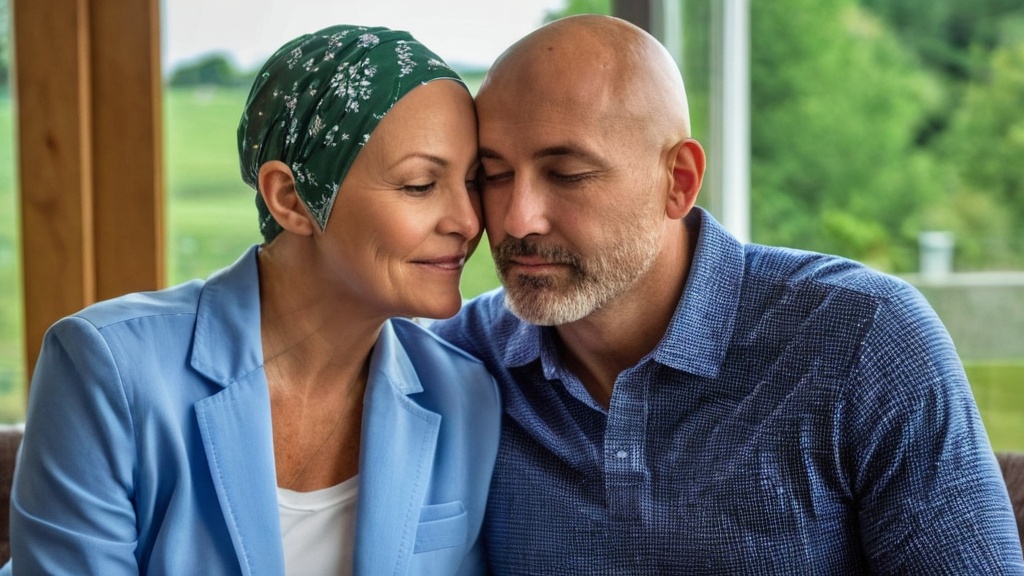

Exercise offers numerous benefits for cancer patients, both physically and mentally. Engaging in regular physical activity can help improve strength, endurance, and flexibility. Research shows that exercise can reduce fatigue, a common side effect of cancer treatment.
For instance, a study published in the Journal of Clinical Oncology found that patients who exercised reported less fatigue and improved quality of life. Moreover, exercise can enhance mood and reduce anxiety. Physical activity releases endorphins, which are natural mood lifters.
For example, a brisk walk or a gentle yoga session can help alleviate feelings of stress and depression. This emotional boost is crucial for cancer patients, who often face significant psychological challenges during their treatment journey.
Key Takeaways
- Exercise offers significant physical and emotional benefits for cancer patients, improving strength, mood, and overall well-being.
- It is crucial to consult healthcare providers and consider individual health conditions before starting any exercise program.
- Safe exercises include low-impact activities like walking, stretching, and gentle yoga tailored to the patient’s abilities.
- Proper nutrition, hydration, and monitoring progress help optimize the benefits and safety of exercising during treatment.
- Building a support system and incorporating mind-body practices can enhance motivation and help manage stress throughout the exercise journey.
Precautions to Consider Before Starting an Exercise Program
Before starting any exercise program, cancer patients should consult their healthcare team. Each individual’s situation is unique, and medical professionals can provide tailored advice. They may recommend specific types of exercises or suggest modifications based on the patient’s treatment plan and overall health.
Additionally, patients should listen to their bodies. If they experience pain, dizziness, or shortness of breath during exercise, they should stop immediately. It’s essential to start slowly and gradually increase intensity.
For example, a patient might begin with short walks and then progress to longer sessions as their strength improves.
Types of Safe Exercises for Cancer Patients

Cancer patients can benefit from various types of exercises that cater to their needs. Aerobic exercises, such as walking, swimming, or cycling, can improve cardiovascular health and stamina. These activities are generally low-impact and can be adjusted to fit individual fitness levels.
Strength training is also beneficial. Light resistance exercises using bands or weights can help rebuild muscle mass lost during treatment. For instance, a patient might use light dumbbells to perform simple arm exercises while seated.
Flexibility exercises, like stretching or yoga, can enhance mobility and reduce stiffness. These gentle movements promote relaxation and can be particularly soothing during treatment.
Finding the Right Exercise Routine for Your Needs
Finding the right exercise routine involves considering personal preferences and physical limitations. Patients should choose activities they enjoy to make exercise more enjoyable. For example, someone who loves dancing might consider a dance class tailored for cancer survivors.
It’s also important to set realistic goals. Instead of aiming for an hour of exercise daily, a patient might start with 10-15 minutes a few times a week. Gradually increasing duration and frequency can lead to sustainable habits.
Keeping a journal to track progress can help maintain motivation and provide a sense of accomplishment.
Tips for Exercising Safely During Cancer Treatment
| Metric | Recommendation | Notes |
|---|---|---|
| Exercise Frequency | 3-5 days per week | Consistency is key; adjust based on energy levels |
| Exercise Duration | 20-30 minutes per session | Can be broken into shorter bouts if needed |
| Exercise Intensity | Light to moderate intensity | Use Rate of Perceived Exertion (RPE) scale 3-5/10 |
| Types of Exercise | Aerobic, strength training, flexibility | Focus on low-impact activities like walking, swimming |
| Precautions | Avoid high-impact or contact sports | Consult healthcare provider before starting |
| Hydration | Drink water before, during, and after exercise | Important to prevent dehydration and fatigue |
| Monitoring Symptoms | Stop exercise if experiencing pain, dizziness, or severe fatigue | Report symptoms to healthcare provider |
| Adaptations | Modify exercises based on treatment side effects | Examples: reduce intensity during chemotherapy |
Safety is paramount when exercising during cancer treatment. Patients should warm up before starting any activity to prepare their bodies. Simple stretches or light movements can help prevent injuries.
Cooling down after exercise is equally important; it allows the body to transition back to rest. Staying hydrated is crucial as well. Cancer treatments can lead to dehydration, so drinking water before, during, and after exercise is essential.
Patients should also dress appropriately for their activities, wearing comfortable clothing and supportive footwear to prevent slips or falls.
The Importance of Proper Nutrition and Hydration

Nutrition plays a vital role in supporting exercise efforts for cancer patients. A balanced diet rich in fruits, vegetables, whole grains, and lean proteins can provide the necessary energy for physical activity. Foods high in antioxidants may help combat oxidative stress caused by cancer treatments.
Hydration is equally important. Patients should aim to drink plenty of fluids throughout the day, especially if they are exercising. Dehydration can lead to fatigue and decreased performance.
A good rule of thumb is to drink water before feeling thirsty; this helps maintain optimal hydration levels.
How to Monitor Your Progress and Adjust Your Exercise Routine
Monitoring progress is key to staying motivated and making necessary adjustments to an exercise routine. Patients can keep a log of their workouts, noting duration, intensity, and how they felt afterward. This record can help identify patterns and areas for improvement.
If a patient finds certain exercises too challenging or not enjoyable, it’s okay to switch things up. Trying new activities or modifying existing ones can keep the routine fresh and engaging. For example, if walking becomes monotonous, exploring a new park or joining a walking group can add excitement.
Incorporating Mind-Body Exercises for Stress Relief
Mind-body exercises can be particularly beneficial for cancer patients seeking stress relief. Practices like yoga and tai chi combine physical movement with mindfulness techniques. These exercises promote relaxation and help reduce anxiety levels.
For instance, a gentle yoga class focused on breathing and stretching can create a calming environment. Patients often report feeling more centered and less overwhelmed after participating in such classes.
Building a Support System for Your Exercise Journey
A strong support system can make a significant difference in a cancer patient’s exercise journey. Friends, family members, or support groups can provide encouragement and accountability. Joining a local cancer support group that includes exercise programs can foster camaraderie among participants.
Additionally, working with a certified trainer experienced in cancer rehabilitation can offer personalized guidance. These professionals understand the unique challenges faced by cancer patients and can create safe and effective workout plans tailored to individual needs.
Overcoming Challenges and Setbacks in Your Exercise Program
Challenges are a natural part of any exercise journey, especially for cancer patients. Fatigue, pain, or emotional ups and downs may arise at times. It’s important to acknowledge these feelings without judgment and adjust the routine accordingly.
For example, if fatigue sets in after treatment, opting for shorter sessions or gentler activities may be necessary. Celebrating small victories along the way can help maintain motivation during tough times. Recognizing progress—no matter how small—can foster resilience and determination.
Celebrating Achievements and Maintaining a Healthy Lifestyle
Celebrating achievements is crucial for maintaining motivation in an exercise program. Whether it’s completing a certain number of workouts or reaching a personal fitness goal, acknowledging these milestones fosters a sense of accomplishment. Maintaining a healthy lifestyle goes beyond exercise alone; it includes balanced nutrition and self-care practices as well.
Patients should continue to prioritize their well-being even after treatment ends. Engaging in regular physical activity can become a lifelong habit that supports overall health and enhances quality of life. In conclusion, exercise offers numerous benefits for cancer patients, from improving physical health to enhancing emotional well-being.
By taking precautions, finding suitable activities, and building a supportive network, patients can create an effective exercise routine tailored to their needs. With dedication and perseverance, they can overcome challenges and celebrate their achievements on this journey toward better health.
FAQs
Is it safe to exercise during cancer treatment?
Yes, exercising during cancer treatment is generally safe and can be beneficial. However, it is important to consult with your healthcare team before starting any exercise program to tailor activities to your specific condition and treatment plan.
What types of exercise are recommended for people with cancer?
Low-impact aerobic activities such as walking, swimming, and cycling, as well as strength training and flexibility exercises like yoga or stretching, are commonly recommended. The choice depends on individual health status, treatment side effects, and personal preferences.
How can exercise help people with cancer?
Exercise can help reduce fatigue, improve mood, maintain muscle strength, enhance cardiovascular health, and improve overall quality of life during and after cancer treatment.
Are there any risks associated with exercising during cancer?
Potential risks include injury, infection (especially if immune system is compromised), and overexertion. It is important to start slowly, listen to your body, and avoid activities that cause pain or discomfort. Always follow guidance from healthcare providers.
How often should a person with cancer exercise?
The general recommendation is to aim for at least 150 minutes of moderate-intensity aerobic exercise per week, combined with strength training exercises twice a week. However, this can be adjusted based on individual tolerance and medical advice.
Can exercise interfere with cancer treatments?
Exercise does not interfere with cancer treatments and may actually improve treatment tolerance and recovery. Nonetheless, it is crucial to coordinate with your oncology team to ensure exercise plans are safe and appropriate.
What precautions should be taken when exercising with cancer?
Precautions include staying hydrated, avoiding extreme temperatures, monitoring for signs of infection or unusual symptoms, modifying exercises during periods of low blood counts or fatigue, and avoiding contact sports or activities with a high risk of falling.
Should exercise be modified for different types of cancer?
Yes, exercise programs should be individualized based on the type and stage of cancer, treatment side effects, and overall health. For example, people with bone metastases may need to avoid high-impact activities to reduce fracture risk.
When should a person with cancer avoid exercising?
Exercise should be avoided during periods of severe fatigue, fever, uncontrolled pain, or if blood counts are dangerously low. Always consult your healthcare provider if unsure about exercising during these times.
Can exercise help prevent cancer recurrence?
Regular physical activity is associated with a lower risk of cancer recurrence for some types of cancer, such as breast and colon cancer. Exercise also supports overall health and well-being, which can contribute to long-term recovery.