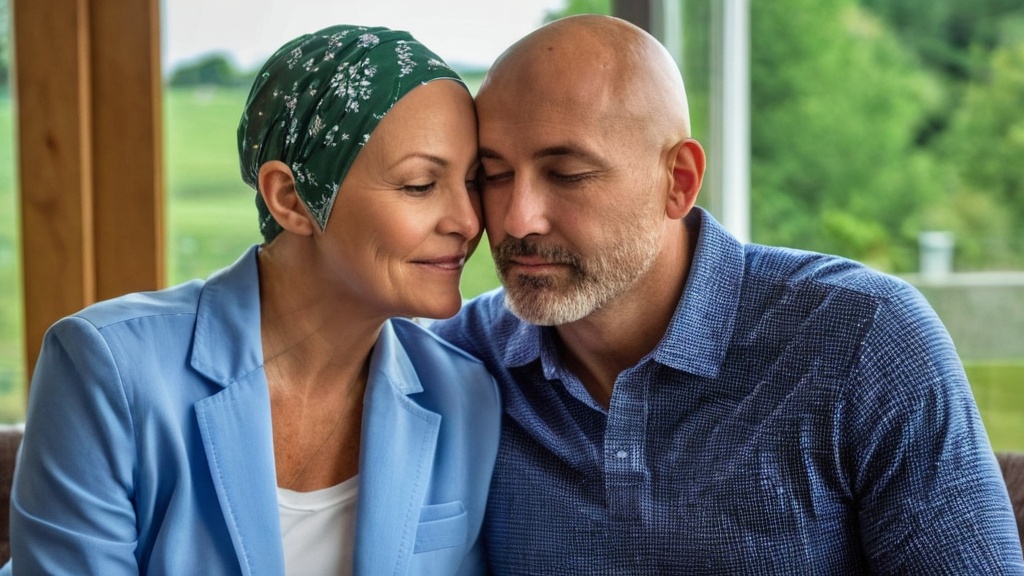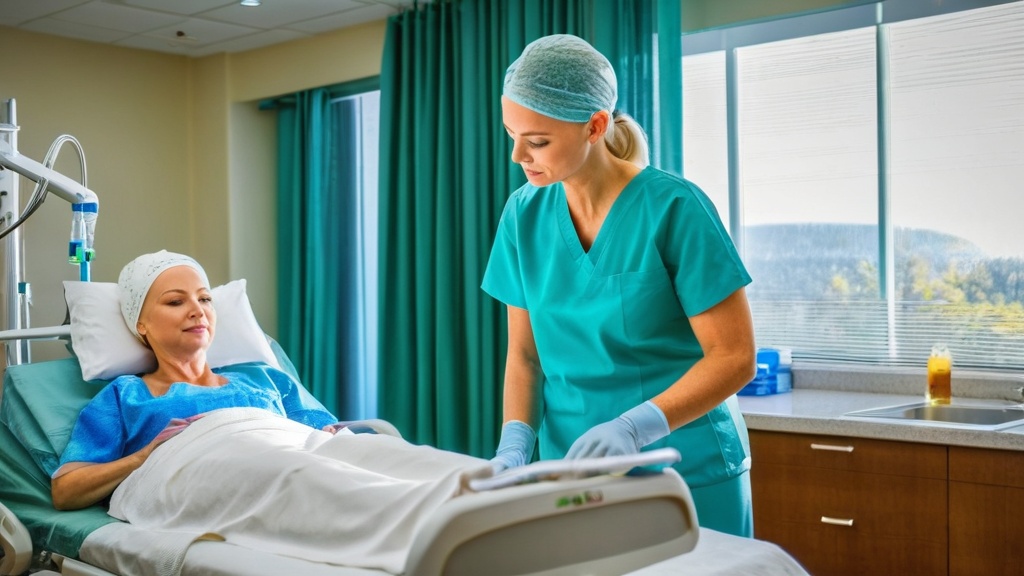
Imagine a dawn after a long, dark night. You’ve faced a formidable foe and emerged into the light, forever changed. This is the profound journey of cancer survivorship, a testament to human resilience and the power of healing.
Life after cancer treatment is a significant transition. It’s not simply returning to how things were. Your body and mind have undergone immense changes. This period requires careful attention and a new approach to well-being.
Understanding Your Physical Recovery
Treatment can leave lasting effects. Doctors understand these side effects. They can offer support for your physical healing.
Managing Treatment Side Effects
Fatigue is common. You might feel tired for a long time. Bone pain can also occur. Some people experience nerve damage, called neuropathy. Your medical team can help manage these. They have effective strategies.
Rebuilding Strength and Stamina
Exercise is crucial for recovery. Start slowly and gradually increase. Walking is a great starting point. Gradually add other activities. This helps regain energy. It also improves mood.
Emotional and Mental Well-being
The emotional toll of cancer is considerable. Fear, anxiety, and depression are possible. Acknowledge these feelings. They are valid responses. Seeking support is a sign of strength.
Coping with Fear and Anxiety
Fears about recurrence can linger. Regular check-ups offer reassurance. Mindfulness techniques can help. Deep breathing exercises can calm you. Finding distractions is also beneficial. Focus on enjoyable activities.
Addressing Feelings of Grief and Loss
You may mourn the loss of your old self. This is a natural process. Allow yourself time to grieve. Talking about your feelings helps. Connecting with others offers solace.
The Power of Support Networks
You are not alone on this journey. Strong support systems make a difference. They provide comfort and encouragement.
Leaning on Family and Friends
Your loved ones want to help. Let them know what you need. Sometimes, just a listening ear is enough. Practical help, like errands, is also valuable.
Connecting with Other Survivors
Support groups offer unique understanding. Other survivors share similar experiences. They offer empathy and practical tips. Organizations host these groups. Online communities provide connection too.
Embracing a Healthy Lifestyle
A healthy lifestyle supports long-term well-being. It is crucial for cancer survivors. Small, consistent changes yield big results.
Nourishing Your Body
Diet plays a key role. Focus on whole, unprocessed foods. Fruits, vegetables, and lean proteins are excellent. Hydration is also important. Drink plenty of water.
Making Smart Food Choices
Avoid excessive sugar and processed foods. These can negatively impact your health. Explore healthy recipes. Find meals you enjoy. This makes healthy eating sustainable.
The Importance of Regular Exercise
Physical activity is essential. It boosts your immune system. Exercise helps manage weight. It also reduces stress levels.
Finding Your Fit
Choose activities you find enjoyable. This increases your chances of sticking with it. Consider gentle yoga or swimming. Hiking in nature can be invigorating.
Prioritizing Sleep and Rest
Adequate sleep is vital for healing. Aim for seven to nine hours nightly. Create a relaxing bedtime routine. Limit screen time before bed.
The Role of Medical Follow-Up
Regular medical care is non-negotiable. It monitors your health closely. Early detection of recurrence is key.
Understanding Surveillance and Screening
Your doctor will schedule follow-up visits. These usually involve physical exams. Tests might include blood work or scans. These check for any changes.
Asking Questions at Appointments
Don’t hesitate to ask your doctor questions. Prepare a list beforehand. Discuss any new symptoms. Your doctor is your partner in health.
Working with Your Healthcare Team
Build a trusting relationship. Your team offers expertise. They guide you through survivorship. Communicate openly and honestly.
Finding Meaning and Purpose
| Survivor Type | Survival Rate | Common Cancer Types |
|---|---|---|
| 5-year | 67% | Breast, Prostate, Colorectal |
| 10-year | 56% | Lung, Melanoma, Bladder |
| 15-year | 48% | Thyroid, Kidney, Non-Hodgkin lymphoma |
Cancer survivorship can lead to profound personal growth. Many survivors discover new priorities. They find renewed purpose in life.
Setting New Goals
Reflect on what truly matters. Set achievable goals for your future. This could involve career changes or hobbies. Pursuing passions brings joy.
Practicing Gratitude
Focus on the positive aspects of your life. Cultivate a sense of gratitude. Appreciate the small things daily. This shifts your perspective positively.
Advocating for Yourself and Others
Many survivors become advocates. They share their stories to help others. They raise awareness about cancer research. Their voices make a difference.
Thriving, Not Just Surviving
Survivorship means reclaiming your life. It is about embracing each day. You have the strength to thrive.
The Journey of Resilience
Cancer challenges your resilience. You discover an inner strength. This journey transforms you. You emerge stronger than before.
Building a Future with Hope
Focus on the possibilities ahead. Embrace the gift of each day. You have the power to create your future. Live it fully and with purpose.
Celebrating Milestones
Acknowledge your progress. Celebrate every step forward. Each day is a victory. You have overcome so much.
This journey is not always easy. There will be ups and downs. But with support and self-care, you can thrive. Your story is a powerful one. It is a testament to hope and endurance. Remember, you are a survivor. You are stronger than you ever imagined. Continue to embrace life. Celebrate your resilience. Your future is bright. The dawn awaits.
FAQs
What is a cancer survivor?
A cancer survivor is defined as anyone who has been diagnosed with cancer, from the time of diagnosis through the rest of their life. This includes individuals who are undergoing treatment, in remission, or have completed treatment.
What are the common challenges faced by cancer survivors?
Cancer survivors often face physical, emotional, and financial challenges. These may include managing long-term side effects of treatment, coping with fear of recurrence, dealing with changes in relationships, and navigating the healthcare system for ongoing care.
What are some resources available for cancer survivors?
There are various resources available for cancer survivors, including support groups, counseling services, survivorship care plans, and financial assistance programs. Many hospitals and cancer centers also offer survivorship programs to help individuals transition from active treatment to post-treatment life.
What are the long-term effects of cancer treatment on survivors?
Cancer treatment can have long-term effects on survivors, such as fatigue, pain, cognitive difficulties, and emotional distress. Additionally, some cancer treatments may increase the risk of developing other health conditions later in life.
How can I support a cancer survivor?
Supporting a cancer survivor can be done by offering emotional support, helping with practical tasks, and being a good listener. It’s important to be understanding and patient, and to respect the survivor’s individual needs and boundaries.