Cancer treatment concludes. Now you face a new journey. It is about creating your best life today. Many feel ready for this next chapter. This article helps you on your path.
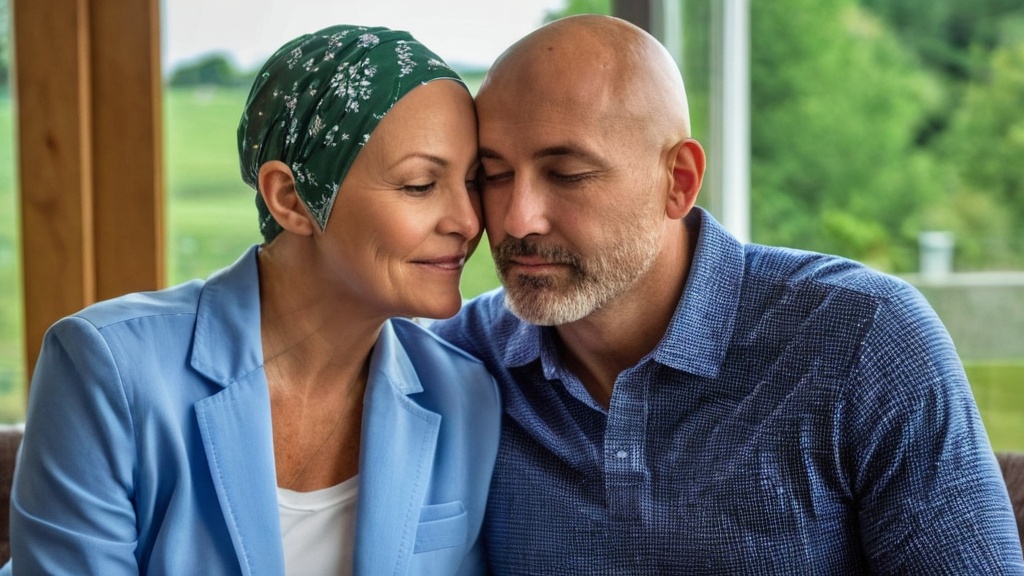
Life after cancer treatment changes. Your body may feel different now. You might have new worries. This is all part of adjusting. Many people share these feelings.
Acknowledging Emotional Challenges
You might feel a mix of emotions. Joy can mix with fear. This is very common. You are not alone in this.
- Processing Your Experience: Allow yourself to feel your feelings. Talk to trusted friends or family. Journaling can also help.
- Managing “Scanxiety”: Worry about follow-up scans is normal. Try to focus on the present. Engage in calming activities.
- Seeking Professional Support: A therapist can offer tools. They provide a safe space. This support is valuable for many survivors.
Reconnecting with Your Body
Your body has been through much. It needs care and attention. Listen to its new signals. Be patient with yourself.
- Gentle Movement: Start with light activities. Walking or gentle yoga are good choices. Gradually increase your activity.
- Mindful Eating: Choose nutritious foods. They support your healing. Hydration is also important.
- Prioritizing Sleep: Rest helps your body recover. Create a relaxing bedtime routine. Aim for consistent sleep times.
Building a Supportive Network
Connecting with others helps. You do not have to do this alone. Support comes in many forms. Seek out people who lift you up.
Peer Connections and Shared Experiences
Talking to others who understand is powerful. They have walked a similar path. Their insights can be invaluable.
- Support Groups: Many organizations offer groups. You can share stories openly there. Find groups in your area or online.
- Conferences and Workshops: Events like Living Beyond Breast Cancer’s “Thriving Together” conference connect survivors. They offer education and community. MEA Wisdom also hosts workshops like “From Survive to Thrive.” These focus on deeper meaning and purpose after treatment.
- Online Communities: Explore reputable online forums. Share experiences and gain perspectives. Remember to prioritize privacy.
Practical Support Made Easy
Sometimes you need practical help. Things like rides or meals are a big help. Do not be afraid to ask.
- Support Registries: Think of a baby registry for cancer survivors. Kalver, a survivor, created a similar idea. This helps you share your needs with loved ones. It makes it easier for them to assist.
- Delegating Tasks: Assign chores to family members. Let friends bring meals. Accept help when it is offered.
Embracing Your Future with Purpose

Life after cancer can bring new insights. You might see the world differently. This can be an opportunity for growth. Many find new meaning.
Redefining Your Goals
Your priorities might have shifted. What truly matters to you now? Take time to reflect.
- Setting New Intentions: Think about what you want to achieve. These can be small or large goals. Write them down to make them real.
- Exploring New Hobbies: Try activities you always wanted to do. This brings joy and new challenges. Learning a skill can be very rewarding.
- Finding Meaning: Some survivors feel a renewed sense of purpose. This could involve advocacy or volunteering. Helping others benefits you too.
Intentional Life Planning
Actively shape your future. This involves more than just medical follow-ups. It is about living fully.
- Mapping Your Vision: What does a fulfilling life look like? Visualize your ideal daily routine. Plan steps to reach it.
- Cancer as a Catalyst: Events like MEA Wisdom’s workshop help survivors. They focus on meaning-making. This transforms a challenging experience.
- Prioritizing Joy: Schedule activities that make you happy. This could be a coffee with a friend. Or spending time outdoors.
Navigating On-Going Medical Care

Treatment may be over. But regular check-ups continue. This helps monitor your health. It is an important part of your ongoing care.
Staying Informed About Your Health
Understand your follow-up plan. Ask questions if you are unsure. You are an active partner in your care.
- Regular Appointments: Keep all your scheduled appointments. They are crucial for early detection. Your doctor monitors your overall health.
- Medication Adherence: Take any prescribed medications as directed. They can help prevent recurrence or manage side effects. Do not stop without consulting your doctor.
- Knowing Your Body: Be aware of changes. Report any new symptoms immediately. Early action is often best.
Advances in Care and Treatment
Medical science continues to evolve. New approaches are constantly emerging. This offers hope and improved outcomes.
- Personalized Care: UCLA Health exemplifies this. Doctors adapt treatment plans. They consider your unique needs. Quality of life is a major focus.
- Immunotherapy and CAR-T Cell Therapy: These new therapies improve survival. They help patients live longer. They offer new ways to fight cancer.
- Clinical Trials: Ask your doctor about trials. They offer access to cutting-edge treatments. They might be an option for you.
Advocating for Your Well-being
| Metrics | Percentage |
|---|---|
| Employment Rate | 75% |
| Education Enrollment | 80% |
| Health Improvement | 90% |
| Relationship Stability | 70% |
You are your best advocate. Speak up for your needs. Do not hesitate to ask questions. Your health journey is personal.
Communicating Effectively with Your Care Team
Clear communication is key. Prepare for your appointments. Write down your questions beforehand.
- Asking Questions: Do not fear asking “stupid” questions. There are no such things. Understanding is essential for your peace of mind.
- Sharing Concerns: Tell your doctor about any worries. This includes physical or emotional issues. They can offer solutions or referrals.
- Bringing a Companion: A friend or family member can help. They can take notes or remember details. Four ears hear more than two.
Taking Charge of Your Health Decisions
You have a right to be informed. Make decisions that feel right for you. Your preferences matter greatly.
- Researching Options: Learn about your condition. Use reputable sources like public health organizations. Understand your choices.
- Seeking Second Opinions: This is perfectly acceptable. It can provide reassurance or new perspectives. Doctors expect and respect this.
- Creating a Health Folder: Keep all your medical records organized. This helps during appointments and referrals. It creates a complete picture of your health.
Thriving after treatment means living intentionally. It’s about finding joy. It’s embracing new beginnings. Your journey is unique. Many resources exist to support you. You are strong and resilient. Live your life fully now.
FAQs
What is life after treatment?
Life after treatment refers to the period following the completion of medical treatment for a specific health condition, such as cancer, addiction, or mental illness. It is a time when individuals transition from being actively treated for their condition to focusing on recovery, rehabilitation, and maintaining their overall well-being.
What are some common challenges faced during life after treatment?
Some common challenges faced during life after treatment include adjusting to a new routine, managing lingering physical or emotional side effects, navigating changes in relationships, coping with fear of recurrence, and finding a sense of purpose and meaning in life.
What are some strategies for coping with life after treatment?
Strategies for coping with life after treatment may include seeking support from healthcare professionals, joining support groups, practicing self-care, setting realistic goals, staying connected with loved ones, and gradually reintegrating into daily activities.
How can individuals maintain their overall well-being after treatment?
Maintaining overall well-being after treatment involves adopting a healthy lifestyle, including regular exercise, balanced nutrition, adequate sleep, and stress management. It also involves attending follow-up appointments, monitoring for any signs of recurrence, and addressing any new health concerns promptly.
What resources are available to support individuals during life after treatment?
There are various resources available to support individuals during life after treatment, including survivorship programs, counseling services, educational materials, online communities, and advocacy organizations. Additionally, healthcare providers can offer guidance on accessing specific resources tailored to individual needs.