
Chemotherapy can feel like an uncharted journey. But wanting to travel during this time is completely understandable. With careful planning, you can still experience the joy of new places. Let’s explore how to make your travels both safe and enjoyable.
Your oncology team is your first and most important resource. They understand your unique health situation best. Before any travel plans solidify, speak with them.
Comprehensive Health Review
Your doctor will assess several factors. They consider your treatment goals. Current chemotherapy cycles and their timing are crucial. For example, infection risk is highest 7-12 days after chemo. They will also review potential side effects like fatigue or nausea.
Discussing Your Destination
Share your travel plans in detail. Tell them where you want to go. Discuss your mode of transport too. Different destinations and travel methods pose different considerations. This ensures their advice is tailored to you.
Timing Your Trip Wisely
When you travel is just as important as where you go. Strategic timing significantly impacts your well-being. Scheduling your trip around your treatment can make a huge difference.
Avoiding Active Treatment Windows
Try to travel outside of active chemotherapy periods. This means avoiding days when you receive treatment. It helps reduce immediate side effects during your trip. You’ll likely feel better and have more energy.
Mind Your Blood Counts
Chemotherapy can lower your white blood cell count. This makes you more susceptible to infections. Your doctor can help identify safer windows for travel. Avoid periods when your blood counts are at their lowest.
Managing Side Effects
Plan your travel for times when side effects are minimal. Some days post-chemo are tougher than others. Adjust your schedule if possible. This allows for a more comfortable and enjoyable experience. Imagine feeling well enough to explore a new city, rather than battling nausea in a hotel room.
Packing Smart: Essentials for Your Journey
What you pack, and where you pack it, matters immensely. Especially when managing chemotherapy, proper preparation is key. A well-organized carry-on can prevent many unforeseen issues.
Medications and Prescriptions
Always pack all medications in your carry-on bag. This includes any oral chemo, anti-nausea pills, or other daily prescriptions. Keep them in their original containers. This helps with identification, especially at airport security.
Important Documents
Carry a detailed list of all your medications. Include dosages and your doctor’s contact information. Bring a letter from your doctor. This letter should explain your medical conditions and need for injectables or medical devices. For example, if you use an insulin pump, this letter is vital.
Notifying Travel Providers
Inform airlines and hotels of any specific needs you have. This could include dietary restrictions or special assistance. Proactive communication ensures a smoother travel experience. It minimizes surprises and allows staff to prepare.
Staying Safe: Preventing Complications

Travel exposes you to new environments. Taking specific precautions is crucial. Protecting yourself from infections and other health issues becomes paramount.
Avoiding Crowds
Crowded places increase your risk of infection. Try to navigate busy areas like airports or train stations efficiently. Consider traveling during off-peak times. A quiet morning flight might be preferable to a packed evening one.
Hydration and Mobility
Stay well-hydrated, especially during flights. Drink plenty of water. On long journeys, get up and move around frequently. This helps prevent blood clots. Consider wearing compression socks as an added preventive measure. Picture yourself stretching your legs and sipping water, feeling refreshed.
Sun and Insect Protection
Chemotherapy can make your skin more sensitive to the sun. Use sunscreen with SPF 30 or higher. Apply it liberally and reapply often. Cover up with hats and protective clothing. In areas with insects, use repellent. Protecting your skin is vital for comfort and health.
Planning for Medical Access
“`html
| Date | Distance Traveled (miles) | Mode of Transportation | Duration of Travel (hours) |
|---|---|---|---|
| June 1, 2022 | 20 | Car | 1.5 |
| June 15, 2022 | 50 | Train | 2 |
| June 30, 2022 | 10 | Bus | 0.5 |
“`
Even with the best planning, unforeseen medical needs can arise. Knowing where to turn provides peace of mind. Researching healthcare options at your destination is a smart move.
Local Healthcare Resources
Before you leave, identify hospitals and pharmacies near your accommodation. Note down their addresses and phone numbers. This proactive step saves valuable time if an emergency occurs. Think of it like having a map to the nearest medical help, just in case.
Insurance and Coverage
Verify your travel insurance covers your medical needs. Understand what your policy includes. Check if your current health insurance works internationally. Some policies require specific pre-authorizations for travel.
Dietary Needs and Vaccinations
Pack healthy snacks that you know you can tolerate. These can be lifesavers during unexpected delays or when suitable food is scarce. Consult your doctor about any recommended vaccinations for your destination. They will advise based on your immune status.
Additional Precautions for a Smoother Trip
While the big elements are covered, smaller details can also enhance your travel experience. These extra steps contribute to comfort and confidence. They ensure your focus remains on enjoying your journey.
Traveling Companion
Consider traveling with a trusted friend or family member. A companion offers valuable support and assistance. They can help with luggage, navigate unfamiliar places, and provide comfort. This shared experience can also make the trip more enjoyable.
Knowing Your Limits
Listen to your body. Chemotherapy can bring fatigue and reduced stamina. Don’t overschedule your days. Build in rest periods. It’s better to do less and enjoy it fully than to push too hard. Imagine leisurely enjoying a museum, then returning for a relaxing afternoon nap.
Versatile Clothing
Pack comfortable, versatile clothing layers. Your body temperature can fluctuate. Loose-fitting clothes are excellent for comfort during travel. Soft fabrics are gentler on sensitive skin.
Medical Clearance Letters
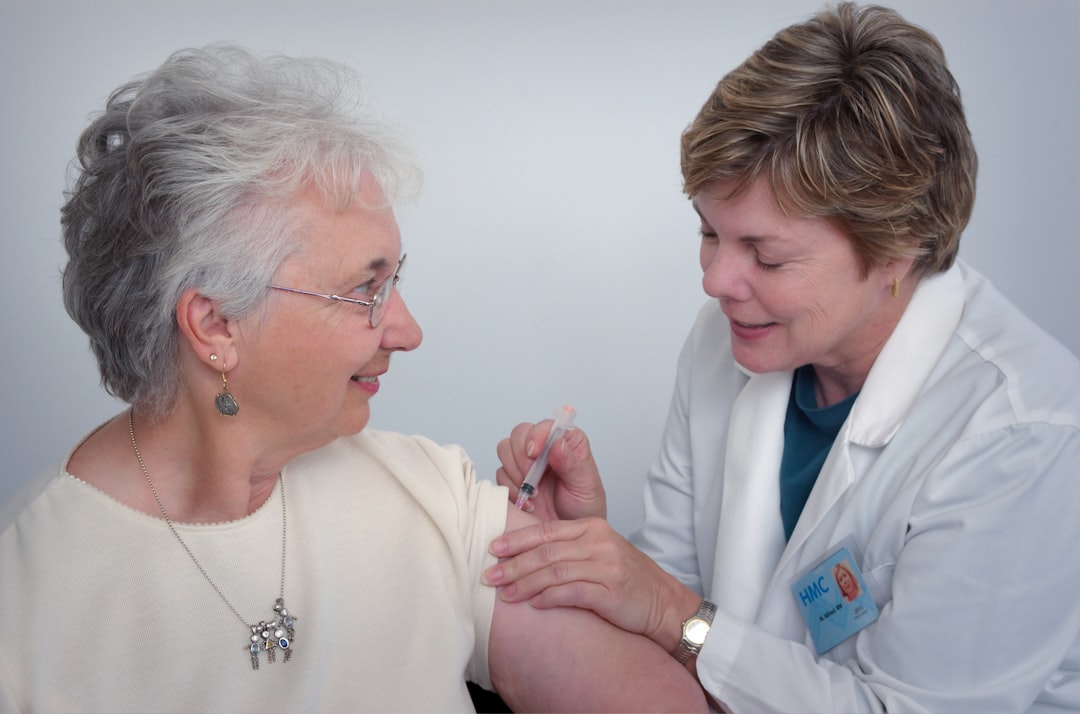
If you have medical devices or specific medication needs, obtain a letter from your doctor. This letter can explain your condition for airport security. It clarifies the necessity of certain items. This prevents delays and misunderstandings at checkpoints. For example, a letter about your medication syringe avoids questions. You simply present the clear documentation.
Traveling with chemotherapy requires extra planning and communication. However, with careful preparation, it is entirely possible. Your well-being and enjoyment remain the top priorities. By following these guidelines, you can create lasting memories, safely and comfortably. Embrace the adventure, knowing you have taken every step to protect yourself.
FAQs
1. Is it safe to travel during chemotherapy treatment?
Yes, it is generally safe to travel during chemotherapy treatment. However, it is important to consult with your healthcare provider before making any travel plans. They can provide guidance based on your specific treatment plan and health status.
2. What precautions should be taken when traveling during chemotherapy?
When traveling during chemotherapy, it is important to take certain precautions such as carrying necessary medications, staying hydrated, avoiding exposure to illness, and planning for rest periods. It is also important to have a plan in place for accessing medical care if needed while away from home.
3. Are there any specific travel restrictions for chemotherapy patients?
There are no specific travel restrictions for chemotherapy patients, but it is important to consider factors such as immune system suppression, risk of infection, and potential side effects of treatment when planning travel. Some destinations may have specific health risks that should be taken into consideration.
4. Can chemotherapy treatment be continued while traveling?
In many cases, chemotherapy treatment can be continued while traveling. However, it is important to coordinate with your healthcare provider and treatment team to ensure that arrangements are in place for receiving necessary medications and monitoring while away from home.
5. What should I do if I experience side effects while traveling during chemotherapy?
If you experience side effects while traveling during chemotherapy, it is important to seek medical attention as soon as possible. Carry a list of emergency contacts, including your healthcare provider and treatment center, and be prepared to communicate any changes in your condition to medical professionals.