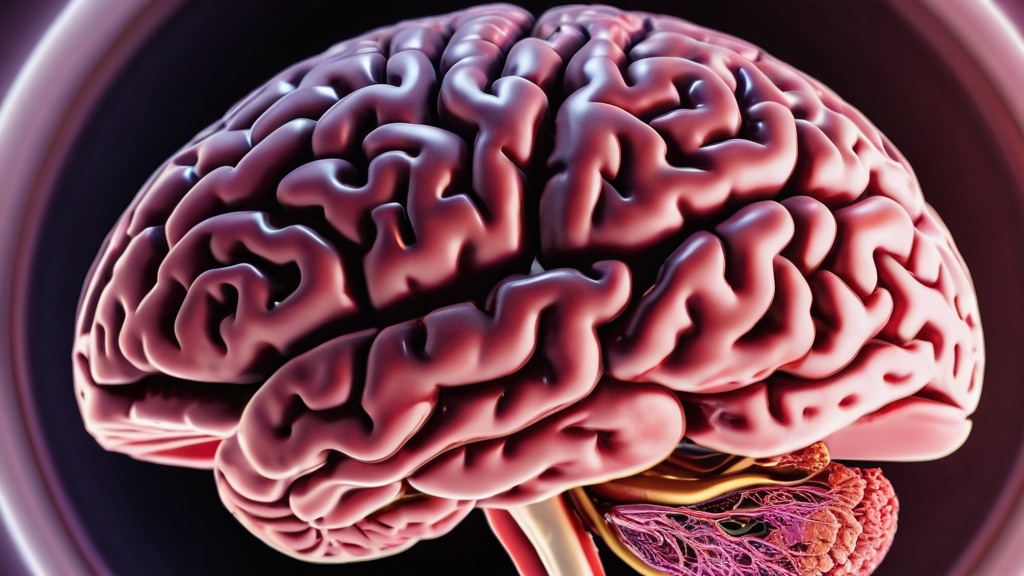
Brain tumors are abnormal growths of cells in the brain. They can arise from various types of cells, including neurons, glial cells, and other supportive tissues. The World Health Organization (WHO) classifies brain tumors into two main categories: benign and malignant. Understanding these categories is crucial for diagnosis, treatment, and prognosis.
Brain tumors can affect anyone, regardless of age or gender. Symptoms often depend on the tumor’s size and location. For instance, a tumor pressing on a specific area of the brain may cause headaches, seizures, or changes in vision. Early detection and treatment can significantly improve outcomes, making awareness of brain tumors essential.
Key Takeaways
- Brain tumors can be classified as benign (non-cancerous) or malignant (cancerous) based on their behavior and growth patterns.
- Benign brain tumors grow slowly, are less aggressive, and usually have a better prognosis compared to malignant tumors.
- Malignant brain tumors grow rapidly, invade surrounding tissues, and are more challenging to treat effectively.
- Diagnosis and treatment options vary significantly between benign and malignant tumors, often involving surgery, radiation, and chemotherapy.
- Prognosis for benign tumors is generally favorable, while malignant tumors have a more guarded outlook due to their aggressive nature.
What are Benign Brain Tumors?
Benign brain tumors are non-cancerous growths that do not invade surrounding tissues or spread to other parts of the body. While they can still cause significant health issues due to their size or location, they generally have a better prognosis than malignant tumors. Benign tumors often grow slowly and may not require immediate treatment.
For example, a person with a benign tumor might experience mild headaches or occasional dizziness. These symptoms can be manageable and may not interfere significantly with daily life. However, if the tumor grows large enough to press on critical brain structures, it can lead to more severe complications.
Characteristics of Benign Brain Tumors
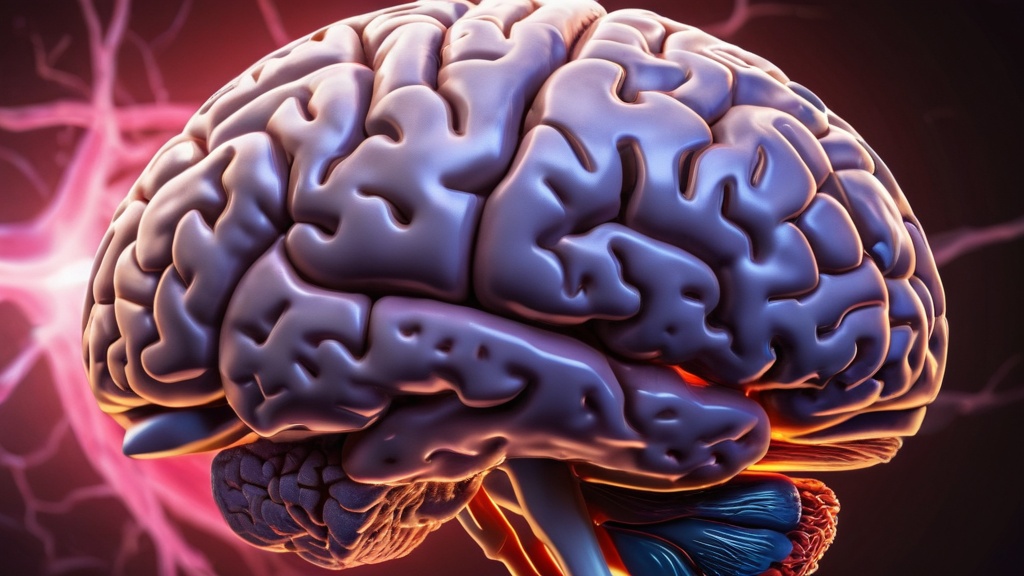
Benign brain tumors typically exhibit distinct characteristics. They grow slowly and have well-defined borders, making them easier to remove surgically. Unlike malignant tumors, benign tumors do not invade surrounding tissues or metastasize to other areas of the body. This non-invasive nature often leads to a favorable prognosis.
Patients with benign tumors may experience symptoms based on the tumor’s location. For instance, a tumor near the pituitary gland might cause hormonal imbalances, leading to weight gain or changes in mood. Regular monitoring and follow-up care are essential to ensure that any changes in symptoms are addressed promptly.
Types of Benign Brain Tumors
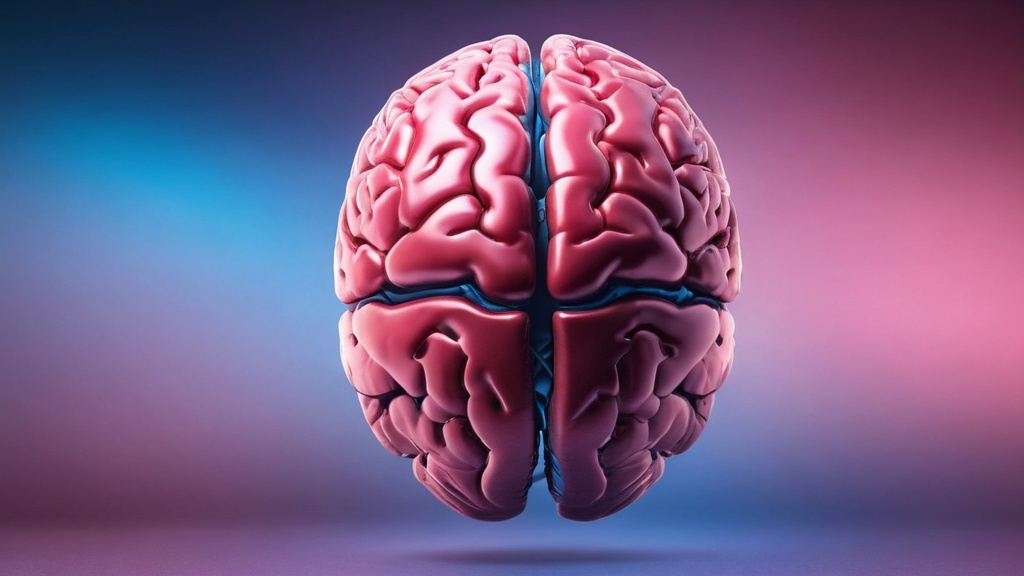
Several types of benign brain tumors exist, each with unique characteristics. Meningiomas are among the most common; they develop from the protective membranes surrounding the brain and spinal cord. These tumors often grow slowly and may not require immediate intervention unless they cause significant symptoms.
Another type is acoustic neuromas, which arise from the vestibular nerve responsible for balance and hearing. Patients with acoustic neuromas may experience hearing loss or balance issues. Other benign tumors include pituitary adenomas and gliomas, which can also lead to various symptoms depending on their location and size.
What are Malignant Brain Tumors?
| Feature | Benign Brain Tumor | Malignant Brain Tumor |
|---|---|---|
| Growth Rate | Slow | Rapid |
| Cell Appearance | Well-differentiated | Poorly differentiated |
| Invasiveness | Non-invasive, well-defined borders | Invasive, poorly defined borders |
| Recurrence Rate | Low | High |
| Metastasis | Rare | Common |
| Symptoms | Gradual onset, mild symptoms | Rapid onset, severe symptoms |
| Treatment Options | Surgery often curative | Surgery, radiation, chemotherapy |
| Prognosis | Generally good | Variable, often poor |
Malignant brain tumors are cancerous growths that invade surrounding tissues and can spread to other parts of the body. These tumors often grow more rapidly than benign tumors and can cause severe health complications. The prognosis for malignant brain tumors varies widely based on factors such as tumor type, location, and the patient’s overall health.
For instance, glioblastoma multiforme is one of the most aggressive forms of malignant brain tumors. Patients diagnosed with this type often face significant challenges due to its rapid growth and resistance to treatment. Understanding the nature of malignant tumors is crucial for developing effective treatment plans.
Characteristics of Malignant Brain Tumors
Malignant brain tumors have several defining characteristics that set them apart from benign tumors. They tend to grow quickly and invade nearby tissues, making surgical removal more complex. Additionally, malignant tumors often have irregular borders, making it difficult to determine where the tumor ends and healthy tissue begins.
Symptoms associated with malignant brain tumors can be more severe than those linked to benign tumors. Patients may experience persistent headaches, seizures, cognitive changes, or motor difficulties. Early diagnosis is critical for improving treatment outcomes and managing symptoms effectively.
Types of Malignant Brain Tumors
Malignant brain tumors come in various forms, each with distinct characteristics and treatment approaches. Gliomas are one of the most common types and include subtypes like astrocytomas and oligodendrogliomas. These tumors arise from glial cells and can vary in aggressiveness.
Another type is medulloblastoma, primarily found in children but can also occur in adults. This tumor originates in the cerebellum and can spread through the cerebrospinal fluid. Understanding the specific type of malignant tumor is essential for determining the most effective treatment strategy.
Key Differences Between Benign and Malignant Brain Tumors
The differences between benign and malignant brain tumors are significant and impact treatment decisions. Benign tumors grow slowly, have well-defined borders, and do not invade surrounding tissues. In contrast, malignant tumors grow rapidly, invade nearby structures, and can metastasize.
Another key difference lies in prognosis. Benign tumors often have a favorable outlook with appropriate treatment, while malignant tumors may present more challenges due to their aggressive nature. For example, a patient with a benign meningioma may undergo surgery with a high chance of complete recovery, while someone with glioblastoma may face a more complex treatment journey.
Diagnosis and Treatment Options for Benign Brain Tumors
Diagnosing benign brain tumors typically involves imaging studies such as MRI or CT scans. These tests help visualize the tumor’s size and location, guiding treatment decisions. In some cases, doctors may recommend regular monitoring if the tumor is small and asymptomatic.
Treatment options for benign brain tumors vary based on factors like size and symptoms. Surgical removal is often the primary approach if the tumor causes significant issues. In cases where surgery isn’t feasible or necessary, doctors may recommend regular follow-ups to monitor any changes over time.
Diagnosis and Treatment Options for Malignant Brain Tumors
Diagnosing malignant brain tumors requires a comprehensive approach that includes imaging studies and often a biopsy to confirm the tumor type. MRI scans provide detailed images that help identify tumor characteristics and guide treatment planning.
Treatment for malignant brain tumors typically involves a combination of surgery, radiation therapy, and chemotherapy. The specific approach depends on factors such as tumor type and location. For instance, patients with glioblastoma may undergo aggressive treatment strategies due to the tumor’s aggressive nature.
Prognosis and Outlook for Benign vs Malignant Brain Tumors
The prognosis for benign brain tumors is generally positive, especially with timely intervention. Many patients experience complete recovery after surgical removal or monitoring without significant complications. Regular follow-ups help ensure any changes are addressed promptly.
In contrast, the outlook for malignant brain tumors varies widely based on several factors, including tumor type and patient health. While some patients respond well to treatment, others may face ongoing challenges due to the aggressive nature of their condition. Supportive care plays a crucial role in managing symptoms and improving quality of life for those affected by malignant brain tumors.
In conclusion, understanding brain tumors—both benign and malignant—is essential for effective diagnosis and treatment. Awareness of their characteristics helps patients navigate their healthcare journey more effectively while fostering hope for positive outcomes through timely intervention and comprehensive care strategies.
FAQs
What is the difference between benign and malignant brain tumors?
Benign brain tumors are non-cancerous growths that typically grow slowly and do not spread to other parts of the brain or body. Malignant brain tumors are cancerous, tend to grow rapidly, and can invade surrounding brain tissue or spread to other areas.
Are benign brain tumors dangerous?
While benign brain tumors are not cancerous, they can still be dangerous depending on their size and location. They may cause symptoms by pressing on vital brain structures, leading to neurological problems.
How are malignant brain tumors treated compared to benign tumors?
Malignant brain tumors often require aggressive treatment, including surgery, radiation therapy, and chemotherapy. Benign tumors may be treated with surgery alone or monitored if they are small and not causing symptoms.
Can benign brain tumors become malignant over time?
Most benign brain tumors do not become malignant. However, certain types of tumors may have a risk of transformation, so regular monitoring by a healthcare professional is important.
What symptoms might indicate the presence of a brain tumor?
Common symptoms include headaches, seizures, changes in vision or hearing, difficulty with balance or coordination, cognitive or personality changes, and weakness or numbness in parts of the body. Symptoms vary depending on the tumor’s size and location.