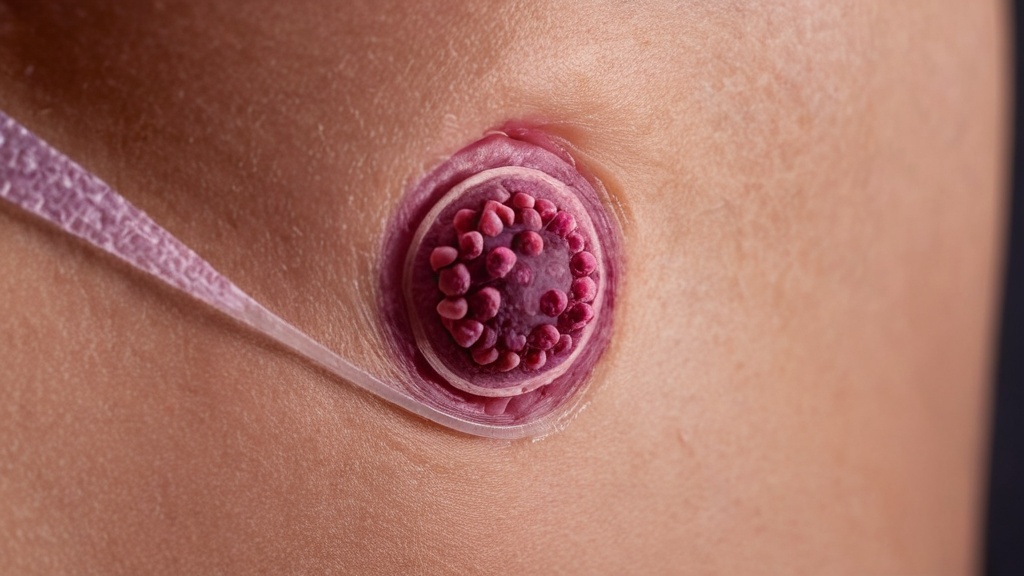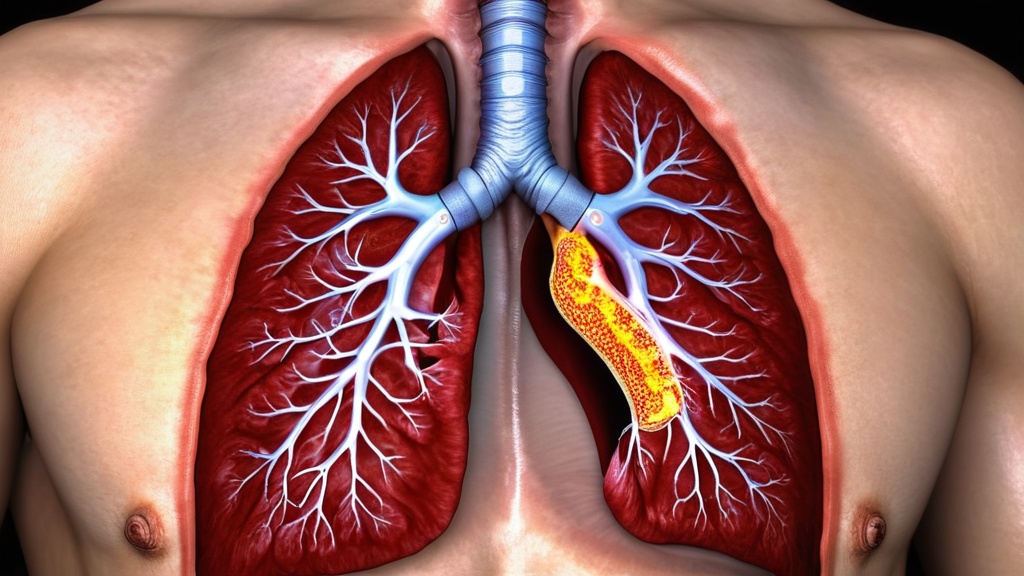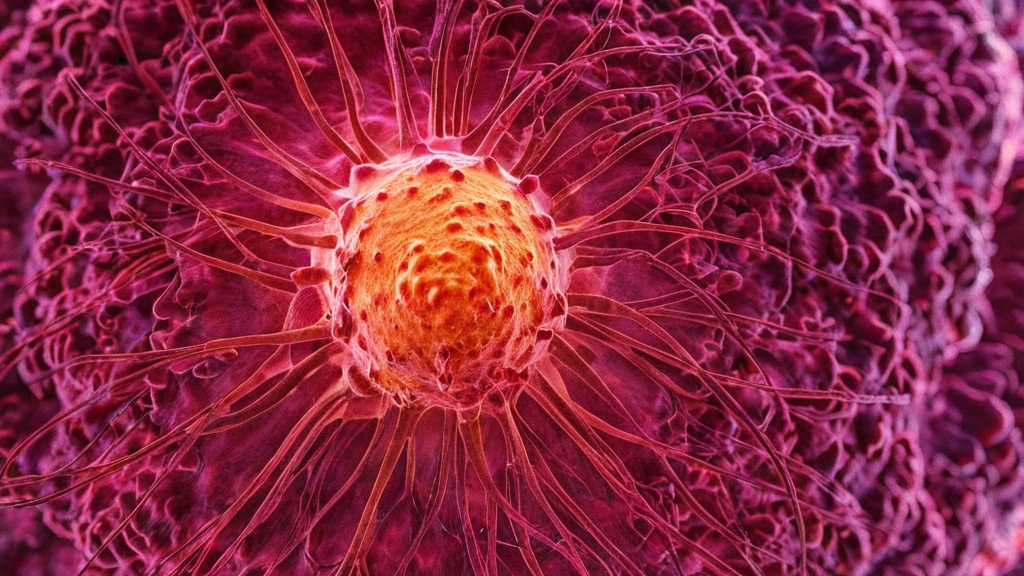

Breast cancer develops when cells within breast tissue undergo uncontrolled cellular division and multiplication. This pathological process results in tumor formation, which can be detected through physical examination as a palpable mass or identified via medical imaging techniques such as mammography, ultrasound, or MRI. While breast cancer predominantly affects women, it can also occur in men, though male cases represent less than 1% of all diagnoses.
Current epidemiological data from the American Cancer Society indicates that approximately 12.9% of women (1 in 8) will receive a breast cancer diagnosis during their lifetime. Breast cancer encompasses multiple histological subtypes with distinct characteristics and clinical behaviors. Invasive ductal carcinoma (IDC) accounts for approximately 70-80% of all breast cancer cases and originates in the epithelial cells lining the milk ducts before infiltrating adjacent breast tissue.
Invasive lobular carcinoma (ILC) represents the second most common type, comprising 10-15% of cases and arising from the lobules where milk is produced. Non-invasive breast cancers include ductal carcinoma in situ (DCIS), which remains confined to the milk ducts without spreading to surrounding tissue. Additional subtypes include inflammatory breast cancer, triple-negative breast cancer, and HER2-positive tumors, each requiring specific diagnostic approaches and therapeutic strategies.
Accurate histological classification is essential for determining prognosis and developing individualized treatment protocols.
Key Takeaways
- Breast cancer involves the uncontrolled growth of breast cells and can present with common symptoms like lumps or changes in breast shape.
- Risk factors include genetic, hormonal, lifestyle, and environmental influences that contribute to the likelihood of developing breast cancer.
- Genetic mutations and family history play a significant role in breast cancer susceptibility.
- Diagnosis typically involves physical exams, imaging tests, and biopsies to confirm the presence of cancer.
- Early treatment options vary and may include surgery, radiation, chemotherapy, and hormone therapy depending on the cancer stage.
Common Symptoms of Breast Cancer
The most recognized symptom of breast cancer is a lump or mass in the breast. This lump may feel different from the surrounding tissue and can vary in size. Some people describe it as hard or irregularly shaped, while others may notice a change in texture.
Regular self-exams can help individuals become familiar with their breast tissue, making it easier to identify any unusual changes. Another common symptom is changes in the appearance of the breast or nipple. This can include swelling, dimpling, or changes in color.
Some individuals may also experience discharge from the nipple, which can be clear or bloody. If you notice any of these symptoms, it’s essential to consult a healthcare professional for further evaluation.
Less Common Symptoms of Breast Cancer

While lumps and changes in appearance are well-known symptoms, breast cancer can present with less common signs.
For instance, persistent pain in the breast or armpit area may occur, even if no lump is present.
This discomfort can sometimes be mistaken for other conditions, making it crucial to pay attention to persistent symptoms.
Skin changes can also indicate breast cancer. These may include redness, scaling, or thickening of the skin on the breast or nipple. In some cases, a condition called inflammatory breast cancer can cause rapid swelling and redness without a distinct lump.
Awareness of these less common symptoms can lead to earlier detection and better outcomes.
Understanding the Causes of Breast Cancer
The exact cause of breast cancer remains unclear, but researchers have identified several contributing factors. Breast cancer arises from genetic mutations that disrupt normal cell growth and division. These mutations can be inherited or acquired over time due to various influences.
Understanding these causes helps researchers develop targeted therapies and preventive measures. Hormonal influences also play a significant role in breast cancer development. Estrogen and progesterone can promote the growth of certain types of breast cancer cells.
This connection highlights the importance of hormonal balance and its impact on breast health. Ongoing research continues to explore how these factors interact and contribute to cancer risk.
Risk Factors for Developing Breast Cancer
| Common Symptoms |
| Early detection improves treatment outcomes |
| Less Common Symptoms |
| Symptoms may vary by individual |
| Major Causes / Risk Factors |
| Some risk factors are modifiable |
| Statistics |
| Regular screening recommended for women over 40 |
Several risk factors increase the likelihood of developing breast cancer. Age is one of the most significant; the risk rises as women get older. Most cases occur in women over 55 years old.
Family history also plays a role; having close relatives with breast cancer can elevate your risk. Other factors include personal health history, such as previous breast biopsies or certain benign conditions. Lifestyle choices, like alcohol consumption and obesity, can also contribute to risk levels.
Understanding these factors empowers individuals to make informed decisions about their health and screening practices.
Genetic Factors and Breast Cancer

Genetic factors significantly influence breast cancer risk. Mutations in genes such as BRCA1 and BRCA2 are well-known contributors. Women with these mutations have a much higher risk of developing breast and ovarian cancers compared to those without them.
Genetic testing can help identify individuals at increased risk, allowing for proactive measures. However, not all breast cancers are hereditary. In fact, only about 15% of cases are linked to inherited genetic mutations.
Most cases arise sporadically due to a combination of environmental and lifestyle factors. Understanding this distinction is crucial for individuals concerned about their family history.
Hormonal Factors and Breast Cancer
Hormonal factors are closely tied to breast cancer development. Estrogen exposure is particularly significant; prolonged exposure can increase risk. Women who start menstruating early or enter menopause late may have higher estrogen levels over their lifetime, potentially raising their risk.
Hormone replacement therapy (HRT) during menopause has also been linked to an increased risk of breast cancer.
Women considering HRT should discuss potential risks and benefits with their healthcare provider.
Awareness of hormonal influences can guide decisions about reproductive health and cancer prevention strategies.
Lifestyle Factors and Breast Cancer
Lifestyle choices play a crucial role in breast cancer risk. Regular physical activity has been shown to lower the risk of developing the disease. Aim for at least 150 minutes of moderate exercise each week, such as brisk walking or cycling.
Diet also impacts breast cancer risk. A balanced diet rich in fruits, vegetables, whole grains, and lean proteins can promote overall health and potentially reduce cancer risk. Limiting alcohol intake is essential; studies suggest that consuming more than one drink per day may increase risk.
Making small changes in daily habits can lead to significant health benefits over time.
Environmental Factors and Breast Cancer
Environmental factors may contribute to breast cancer risk as well. Exposure to certain chemicals, such as pesticides and industrial pollutants, has raised concerns among researchers. While definitive links remain under investigation, minimizing exposure to harmful substances is a prudent approach.
Radiation exposure is another environmental factor associated with increased breast cancer risk. Women who received radiation therapy to the chest area for other medical conditions may have a higher likelihood of developing breast cancer later in life. Awareness of these environmental influences can help individuals make informed choices about their surroundings.
How Breast Cancer is Diagnosed
Diagnosing breast cancer typically involves several steps, starting with a clinical breast exam by a healthcare provider. If abnormalities are detected, imaging tests like mammograms or ultrasounds may be ordered for further evaluation. These tests help visualize any suspicious areas within the breast tissue.
If imaging results indicate potential cancer, a biopsy is often performed to confirm the diagnosis. During a biopsy, a small sample of tissue is removed for laboratory analysis. This process helps determine whether cancer cells are present and what type of breast cancer it may be.
Seeking Treatment for Breast Cancer
Treatment options for breast cancer vary based on the type and stage of the disease. Common approaches include surgery, radiation therapy, chemotherapy, hormone therapy, and targeted therapies. A multidisciplinary team typically collaborates to create an individualized treatment plan tailored to each patient’s needs.
Support systems play a vital role during treatment. Connecting with support groups or counseling services can provide emotional assistance throughout the journey. Patients should feel empowered to ask questions and discuss concerns with their healthcare team to ensure they receive comprehensive care tailored to their unique situation.
In conclusion, understanding breast cancer involves recognizing its symptoms, causes, and risk factors while being proactive about health choices. Early detection through regular screenings and awareness of personal risk factors can lead to better outcomes. By staying informed and engaged with healthcare providers, individuals can navigate their health journeys with confidence and clarity.
FAQs
What are the common symptoms of breast cancer?
Common symptoms of breast cancer include a lump or thickening in the breast or underarm, changes in breast size or shape, dimpling or puckering of the skin, nipple discharge other than breast milk, nipple inversion, redness or scaling of the nipple or breast skin, and persistent breast pain.
What causes breast cancer?
Breast cancer is caused by genetic mutations in breast cells that lead to uncontrolled cell growth. These mutations can be influenced by a combination of genetic, hormonal, environmental, and lifestyle factors.
Are there risk factors that increase the likelihood of developing breast cancer?
Yes, risk factors include age (risk increases with age), family history of breast cancer, inherited gene mutations (such as BRCA1 and BRCA2), hormonal factors (early menstruation, late menopause, hormone replacement therapy), obesity, alcohol consumption, and exposure to radiation.
Can men get breast cancer?
Yes, although it is much less common, men can develop breast cancer. Symptoms in men are similar to those in women, such as lumps or changes in the breast tissue.
Is breast cancer always painful?
No, breast cancer is not always painful. Many breast cancers are painless, especially in the early stages. Pain may occur as the tumor grows or if it affects surrounding tissues.
How is breast cancer diagnosed?
Breast cancer is diagnosed through a combination of physical exams, imaging tests such as mammograms and ultrasounds, and biopsy procedures where tissue samples are analyzed for cancer cells.
Can lifestyle changes reduce the risk of breast cancer?
Yes, maintaining a healthy weight, exercising regularly, limiting alcohol intake, avoiding tobacco, and breastfeeding can help reduce the risk of breast cancer.
Are all breast lumps cancerous?
No, not all breast lumps are cancerous. Many lumps are benign conditions such as cysts or fibroadenomas. However, any new or unusual lump should be evaluated by a healthcare professional.
What should I do if I notice symptoms of breast cancer?
If you notice any symptoms such as lumps, changes in breast appearance, or nipple discharge, you should consult a healthcare provider promptly for evaluation and possible diagnostic testing.