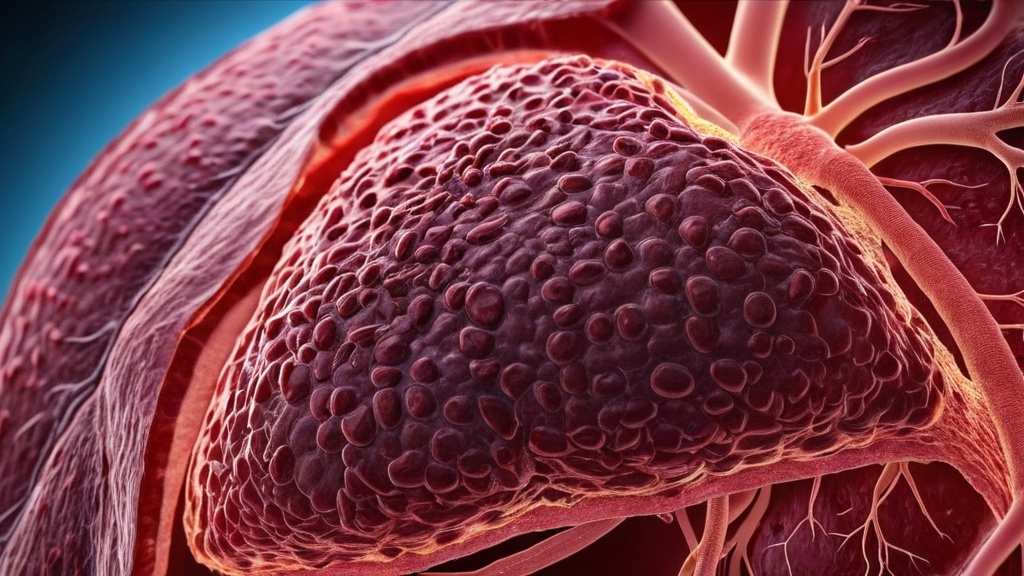
Liver cancer, or hepatocellular carcinoma (HCC), is a serious health concern worldwide. It ranks as the sixth most common cancer and the fourth leading cause of cancer-related deaths globally, according to the World Health Organization (WHO). The liver plays a crucial role in digestion, metabolism, and detoxification. When cancer develops in this vital organ, it can significantly impact overall health and well-being.
Understanding liver cancer involves recognizing its symptoms, risk factors, and potential preventive measures. Early detection can improve treatment outcomes, making awareness essential. This article will explore various aspects of liver cancer, including its risk factors and the role of chronic infections, alcohol consumption, and other conditions.
Key Takeaways
- Liver cancer risk is influenced by chronic viral infections, alcohol use, and non-alcoholic fatty liver disease.
- Hepatitis B and C infections significantly increase the likelihood of developing liver cancer.
- Cirrhosis, regardless of cause, is a major precursor to liver cancer.
- Exposure to environmental toxins and genetic predispositions also contribute to liver cancer risk.
- Prevention strategies focus on managing risk factors, including vaccination, lifestyle changes, and early detection.
Risk Factors for Liver Cancer
Several risk factors contribute to the development of liver cancer. Chronic liver disease, particularly cirrhosis, is one of the most significant. Cirrhosis can result from various causes, including viral hepatitis and excessive alcohol consumption. Individuals with cirrhosis have a higher likelihood of developing liver cancer due to the ongoing damage to liver cells.
Other risk factors include obesity, diabetes, and exposure to certain chemicals. For instance, aflatoxins, which are toxins produced by mold on crops like peanuts and corn, can increase cancer risk. Understanding these risk factors can help individuals make informed lifestyle choices to reduce their chances of developing liver cancer.
Chronic Viral Infections and Liver Cancer
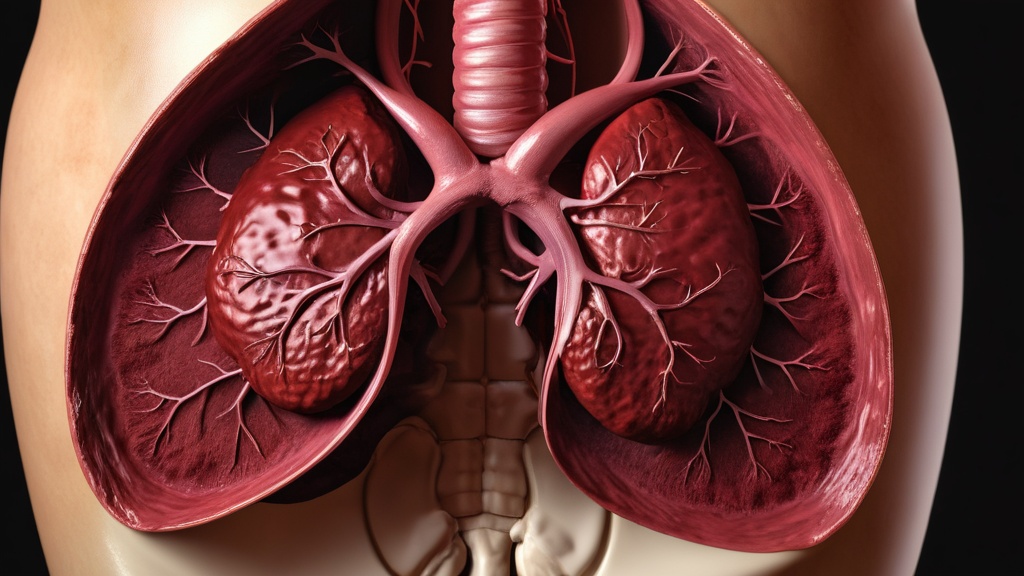
Chronic viral infections are a leading cause of liver cancer. Hepatitis B and C viruses are particularly notorious for their association with HCThese viruses can cause long-term inflammation and damage to liver cells, increasing the risk of cancer development over time.
For example, a person with chronic hepatitis B may not experience symptoms for years. However, the virus can silently damage the liver, leading to cirrhosis and eventually cancer. Regular screenings and monitoring for those with chronic infections are crucial for early detection and intervention.
Alcohol and Liver Cancer
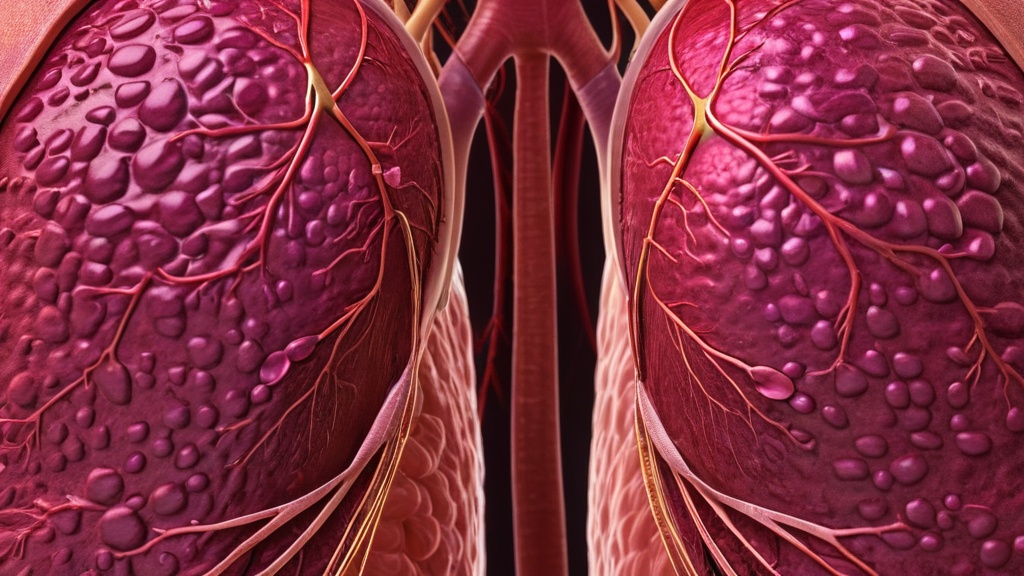
Excessive alcohol consumption is another significant risk factor for liver cancer. Alcohol can lead to liver inflammation and scarring, known as alcoholic liver disease. Over time, this damage can progress to cirrhosis and increase the likelihood of developing liver cancer.
Consider a scenario where an individual drinks heavily for several years. They may not notice immediate health issues but could be unknowingly setting the stage for serious complications. Reducing alcohol intake or abstaining altogether can significantly lower the risk of liver cancer and improve overall health.
Non-alcoholic Fatty Liver Disease (NAFLD) and Liver Cancer
| Cause | Description | Risk Factor Level | Prevalence |
|---|---|---|---|
| Chronic Hepatitis B Virus (HBV) Infection | Long-term infection with HBV can lead to liver inflammation, cirrhosis, and eventually liver cancer. | High | Approximately 50% of liver cancer cases worldwide |
| Chronic Hepatitis C Virus (HCV) Infection | Chronic HCV infection causes liver damage and increases the risk of hepatocellular carcinoma. | High | About 25% of liver cancer cases globally |
| Alcohol Consumption | Excessive alcohol intake leads to liver cirrhosis, a major risk factor for liver cancer. | Moderate to High | Contributes to 15-20% of cases |
| Aflatoxin Exposure | Consumption of foods contaminated with aflatoxins (toxins from certain fungi) increases liver cancer risk. | Moderate | Common in regions with poor food storage, up to 5-10% of cases |
| Non-Alcoholic Fatty Liver Disease (NAFLD) | Fat accumulation in the liver unrelated to alcohol can progress to cancer. | Increasing | Rising prevalence with obesity epidemic |
| Smoking | Tobacco use is linked to increased risk of liver cancer. | Low to Moderate | Contributes to a smaller percentage of cases |
| Inherited Metabolic Diseases | Conditions like hemochromatosis and alpha-1 antitrypsin deficiency increase liver cancer risk. | Low | Rare causes |
Non-alcoholic fatty liver disease (NAFLD) is becoming increasingly common and is linked to liver cancer. NAFLD occurs when fat builds up in the liver without alcohol consumption. It often accompanies obesity and metabolic syndrome, which includes conditions like diabetes and high blood pressure.
Individuals with NAFLD may not experience symptoms until the disease progresses to more severe stages. Regular check-ups and lifestyle changes, such as adopting a balanced diet and engaging in physical activity, can help manage NAFLD and reduce the risk of liver cancer.
Hepatitis B and Liver Cancer
Hepatitis B is a viral infection that poses a significant risk for liver cancer. The virus can cause chronic inflammation and damage to liver cells over time. According to the Centers for Disease Control and Prevention (CDC), about 25% of people with chronic hepatitis B will develop cirrhosis or liver cancer in their lifetime.
Vaccination against hepatitis B is an effective preventive measure. Infants typically receive the vaccine shortly after birth, but adults at risk should also consider vaccination. Regular monitoring for those infected with hepatitis B can help detect any changes in liver health early on.
Hepatitis C and Liver Cancer
Hepatitis C is another viral infection linked to liver cancer. Like hepatitis B, it can lead to chronic inflammation and cirrhosis. The CDC estimates that about 20% of people with chronic hepatitis C will develop cirrhosis over 20 to 30 years.
Treatment options for hepatitis C have improved significantly in recent years. Antiviral medications can effectively cure the infection in many cases. Early diagnosis and treatment are essential for reducing the risk of liver cancer in individuals with hepatitis C.
Cirrhosis and Liver Cancer
Cirrhosis is a condition characterized by severe scarring of the liver due to long-term damage. It is a significant risk factor for liver cancer because it alters the normal structure and function of the liver. As healthy liver tissue is replaced by scar tissue, the risk of developing cancer increases.
For example, a person with cirrhosis may experience symptoms like fatigue, jaundice, or swelling in the abdomen. Regular medical check-ups are vital for monitoring liver health in individuals with cirrhosis. Early detection of any changes can lead to timely interventions that may prevent cancer development.
Environmental Toxins and Liver Cancer
Exposure to certain environmental toxins can also increase the risk of liver cancer. Chemicals like vinyl chloride, arsenic, and aflatoxins have been linked to liver damage and cancer development. Occupational exposure in industries such as manufacturing or agriculture may pose additional risks.
For instance, workers handling aflatoxin-contaminated crops may be at higher risk for developing liver cancer over time. Implementing safety measures and regulations in workplaces can help minimize exposure to these harmful substances.
Genetic Factors and Liver Cancer
Genetic factors play a role in an individual’s susceptibility to liver cancer. Certain inherited conditions, such as hemochromatosis or alpha-1 antitrypsin deficiency, can increase the risk of liver disease and subsequently liver cancer. Family history may also indicate a higher likelihood of developing these conditions.
For example, if a family member has had liver disease or cancer, it may be wise to discuss this history with a healthcare provider. Genetic counseling can provide insights into personal risk factors and guide preventive measures.
Conclusion and Prevention of Liver Cancer
Preventing liver cancer involves addressing modifiable risk factors and promoting overall liver health. Regular screenings for those at high risk, such as individuals with chronic viral infections or cirrhosis, are essential for early detection.
Adopting a healthy lifestyle can significantly reduce the risk of liver cancer. This includes maintaining a balanced diet rich in fruits, vegetables, whole grains, and lean proteins while limiting alcohol intake. Regular physical activity also plays a crucial role in managing weight and reducing the risk of conditions like NAFLD.
Vaccination against hepatitis B and seeking treatment for hepatitis C are vital steps in prevention efforts. Additionally, minimizing exposure to environmental toxins through safe practices can further protect liver health.
By understanding the various risk factors associated with liver cancer and taking proactive measures, individuals can significantly reduce their chances of developing this serious disease. Awareness, education, and regular medical care are key components in the fight against liver cancer.
FAQs
What are the primary causes of liver cancer?
Liver cancer is primarily caused by chronic liver diseases such as hepatitis B and C infections, cirrhosis, and long-term alcohol abuse. Other factors include exposure to aflatoxins, obesity, and certain genetic conditions.
How does hepatitis B or C infection lead to liver cancer?
Chronic infection with hepatitis B or C viruses can cause ongoing liver inflammation and damage, leading to cirrhosis. This persistent liver injury increases the risk of developing liver cancer over time.
Can lifestyle choices influence the risk of developing liver cancer?
Yes, lifestyle factors such as excessive alcohol consumption, obesity, and exposure to toxins like aflatoxins can increase the risk of liver cancer. Maintaining a healthy weight, avoiding excessive alcohol, and reducing exposure to harmful substances can help lower risk.
Is cirrhosis always a precursor to liver cancer?
While cirrhosis significantly increases the risk of liver cancer, not all individuals with cirrhosis develop liver cancer. Cirrhosis results from chronic liver damage and creates an environment conducive to cancer development, but other factors also play a role.
Are there genetic factors that contribute to liver cancer risk?
Certain inherited conditions, such as hemochromatosis (excess iron accumulation) and alpha-1 antitrypsin deficiency, can increase the risk of liver cancer. However, genetic factors are less common causes compared to viral infections and lifestyle-related risks.