Cancer survival rates continue to rise. More people live longer after a cancer diagnosis. This is wonderful news for patients and families. But what happens after treatment ends? Cancer’s long-term effects can be complex. Understanding them helps survivors and their loved ones.
Cancer care has undergone a revolution. Many cancers are now manageable conditions. Advances in treatment drive this change.
Remarkable Progress in Survival Rates
Survival rates have never been better. The five-year survival rate for all cancers combined is now 70% (2015-2021 data). This is a significant jump from 49% in the mid-1970s. These numbers reflect incredible progress [1, 2, 3, 6, 8]. For example, myeloma survival increased from 32% to 62%. Liver cancer rates rose from 7% to 22%. Lung cancer survival went from 15% to 28% [1, 2, 3, 6, 8].
Advanced Cancer Shows Significant Gains
Even advanced cancers see better outcomes. Distant-stage survival for all cancers combined increased from 17% to 35% since the mid-1990s. Lung cancer distant-stage survival jumped from 2% to 10% [1, 2, 3]. New therapies are making a difference. Immunotherapy and targeted treatments play key roles.
Common Physical Side Effects
Cancer treatments can have lasting physical impacts. These effects vary greatly among individuals. Many factors influence them, including cancer type and treatment received.
Fatigue
Fatigue is a persistent symptom for many survivors. It is more than just feeling tired. It can significantly impact daily life. A survivor might struggle with simple tasks. Even after resting, the exhaustion remains. Managing fatigue often involves exercise and good sleep hygiene.
Pain
Chronic pain can develop after cancer treatment. Nerve damage from surgery or chemotherapy is a common cause. Radiation therapy can also lead to pain. A survivor might experience tingling or burning sensations. Pain management strategies are crucial for improving quality of life. These can include physical therapy or medication.
Neuropathy
Chemotherapy-induced peripheral neuropathy (CIPN) is nerve damage. It causes numbness, tingling, and pain in hands and feet. This can make everyday activities challenging. Picking up small objects might be difficult. Your balance could also be affected. Discussing symptoms with your doctor is important.
Lymphedema
Lymphedema is swelling caused by fluid buildup. It occurs when lymph nodes are removed or damaged. This most commonly affects an arm or leg. Wearing compression garments can help manage swelling. Physical therapy also plays an important role. Early detection is key for effective management.
Heart Problems
Some cancer treatments, like certain chemotherapies or radiation to the chest, can affect the heart. This might lead to heart failure or rhythm problems. Regular heart check-ups are important. Your doctor can monitor your heart health. Early intervention can prevent serious complications.
Secondary Cancers
A small risk of developing a second cancer exists. This can be due to prior treatments. For example, some chemotherapy and radiation increase this risk. Regular screenings remain vital after treatment concludes. Talk to your doctor about your specific risks.
Addressing Psychosocial Challenges
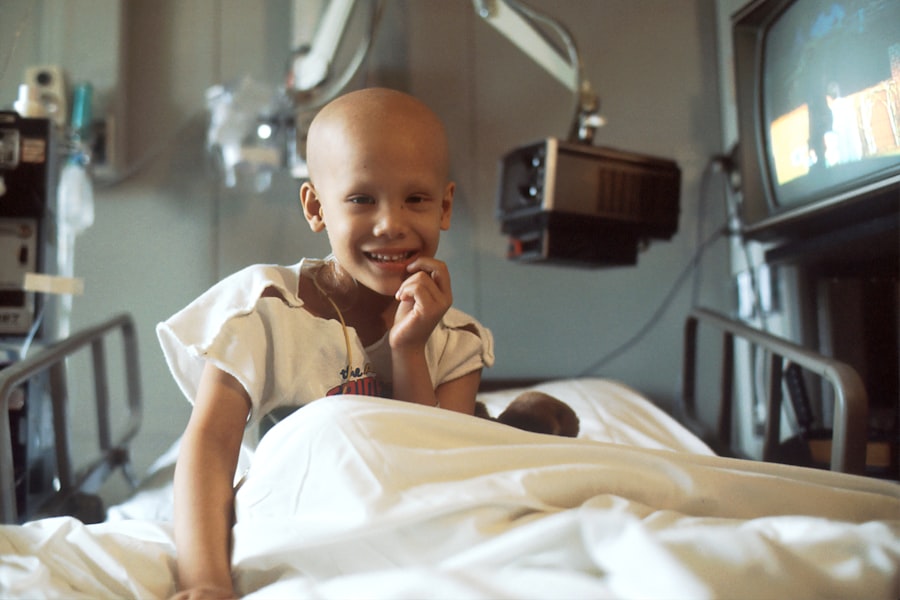
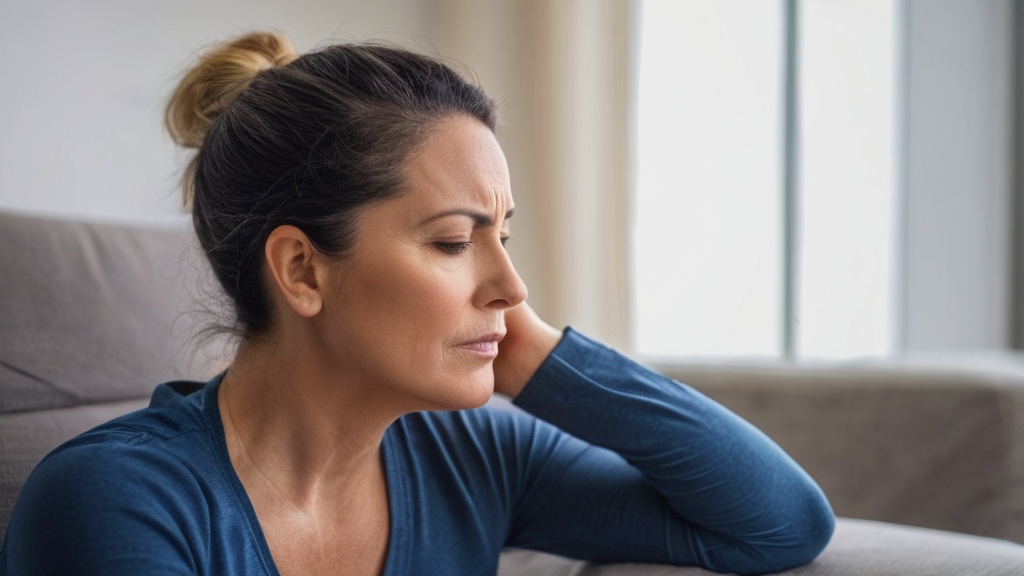
Cancer impacts more than just the body. It leaves significant emotional and mental scars. These effects can linger long after treatment ends.
Anxiety and Depression
Many survivors experience anxiety or depression. The fear of recurrence is a major concern. Adapting to a “new normal” can also be stressful. A survivor might feel overwhelmed. Seeking support from mental health professionals is beneficial. Therapy and support groups can help.
Fear of Recurrence
The worry that cancer might return is common. This “scanxiety” can be debilitating. Every ache or pain can trigger concerns. Learning coping mechanisms helps manage this fear. Focusing on healthy habits can provide a sense of control.
Cognitive Changes (Chemo Brain)
Some survivors report changes in their thinking. This is often called “chemo brain” or cancer-related cognitive impairment. You might notice difficulty concentrating. Memory problems or trouble multitasking can occur. Strategies like using calendars or making lists can help. Brain-training exercises may also be beneficial.
Body Image Issues
Cancer and its treatments can alter one’s body image. Scars from surgery, hair loss, or weight changes can impact self-esteem. A breast cancer survivor might struggle with a mastectomy scar. Accepting these changes can be a journey. Support groups offer a safe space to share these feelings.
Relationship Changes
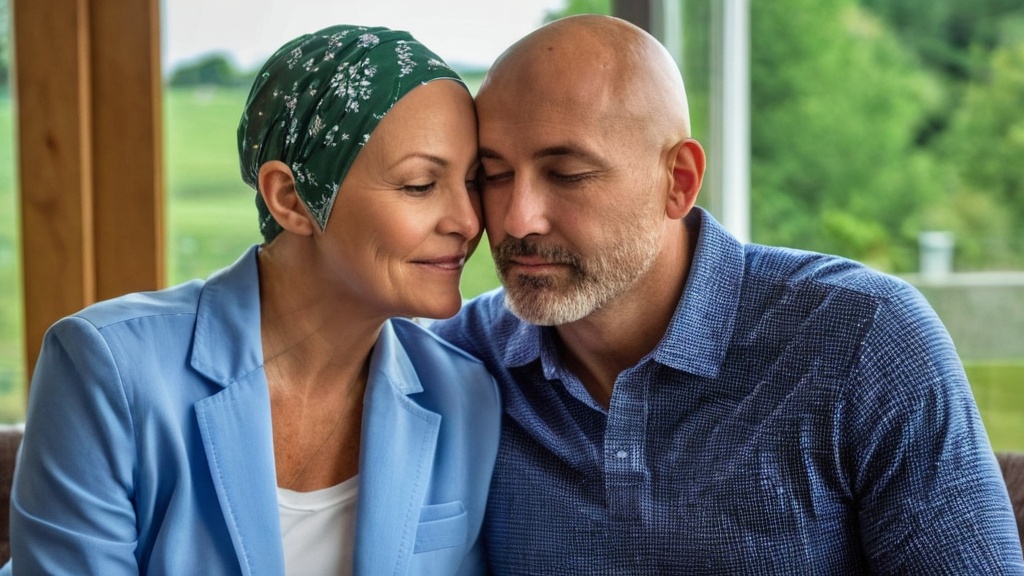
Cancer can strain relationships. Family dynamics might shift. Friends may not know how to offer support. Open communication is essential. Seeking couples counseling can also be helpful. It allows partners to navigate challenges together.
The Role of Immunotherapy and Targeted Therapies
New treatments offer hope for even better long-term outcomes. Immunotherapy and targeted therapies are changing the game. They offer more precise and effective options.
Immunotherapy’s Breakthroughs
Immunotherapy harnesses the body’s immune system. Checkpoint inhibitors (e.g., anti-PD-1) have transformed treatment for many cancers. For metastatic melanoma, survival increased from 16% to 35% with these therapies [3]. This type of therapy is now expanding to resistant cancers. Pancreatic cancer, previously with very low survival, is a focus.
Targeted Therapies Offer Precision
Targeted therapies attack specific cancer cells. They often have fewer side effects than traditional chemotherapy. For example, menin inhibitors are approved for 40% of AML cases [4]. RAS inhibitors are in Phase III trials for pancreatic cancer [4]. These advances offer new hope for hard-to-treat diseases.
The Importance of Survivorship Care
| Long Term Effects of Cancer | Statistics |
|---|---|
| Survival Rate | Varies depending on cancer type and stage |
| Recurrence Rate | Varies depending on treatment and cancer type |
| Physical Effects | Can include fatigue, pain, and organ damage |
| Emotional Effects | Can include anxiety, depression, and PTSD |
| Financial Impact | Can lead to increased medical expenses and loss of income |
The journey does not end when treatment does. Survivorship care is vital for long-term health. It focuses on the unique needs of cancer survivors.
Comprehensive Follow-Up Care
Regular follow-up appointments are crucial. Your medical team monitors for recurrence. They also manage long-term side effects. This tailored care supports your ongoing well-being. A follow-up schedule is typically personalized for each survivor.
Lifestyle and Wellness
Embracing healthy lifestyle choices promotes long-term health. Regular physical activity reduces fatigue. A balanced diet supports overall well-being. Quitting smoking and limiting alcohol also improve health outcomes. These healthy habits empower survivors.
Psychological Support and Resources
Connecting with others who understand is powerful. Support groups offer a sense of community. Mental health professionals provide tools for coping. Many organizations offer free resources. Leveraging these resources is a sign of strength.
Advance Care Planning
Many survivors consider advance care planning. This involves making decisions about future medical care. It ensures your wishes are known. This provides peace of mind for you and your family. Discussions with your doctor can help guide this process.
Advocacy and Education
Learning about your specific cancer is empowering. Understanding your treatment history is important. Keeping a detailed medical record is helpful. Advocating for your own health needs is crucial. You are an active participant in your care.
Empowering Your Journey Forward
Living beyond cancer is a unique experience. While challenges exist, support is available. Understanding potential long-term effects empowers you.
Staying Informed About Your Health
Knowledge is a powerful tool. Learn about your specific diagnosis and treatment. Ask your medical team questions. Keep track of your medical appointments and results. This proactive approach helps you manage your health.
Building a Strong Support System
Surround yourself with caring individuals. Family, friends, and support groups offer comfort. Do not hesitate to ask for help. A strong support network can make a significant difference. You do not have to navigate this journey alone.
Embracing a Proactive Approach
Take an active role in your health management. Attend all follow-up appointments. Report any new or worsening symptoms to your doctor. Engage in healthy practices. This proactive stance supports your long-term wellness. You are in charge of your health.
FAQs
What are the long-term effects of cancer?
Long-term effects of cancer can include physical, emotional, and cognitive issues such as fatigue, pain, anxiety, depression, memory problems, and difficulty concentrating.
How does cancer treatment affect long-term health?
Cancer treatments such as chemotherapy, radiation therapy, and surgery can have long-term effects on health, including increased risk of heart disease, osteoporosis, and secondary cancers.
What are the psychological effects of surviving cancer in the long term?
Survivors of cancer may experience psychological effects such as fear of recurrence, post-traumatic stress disorder, and changes in self-image and relationships.
What lifestyle changes can help mitigate long-term effects of cancer?
Lifestyle changes such as regular exercise, healthy diet, stress management, and regular medical check-ups can help mitigate the long-term effects of cancer and its treatment.
How can survivors of cancer cope with long-term effects?
Survivors of cancer can cope with long-term effects by seeking support from healthcare professionals, support groups, and loved ones, as well as by practicing self-care and mindfulness techniques.