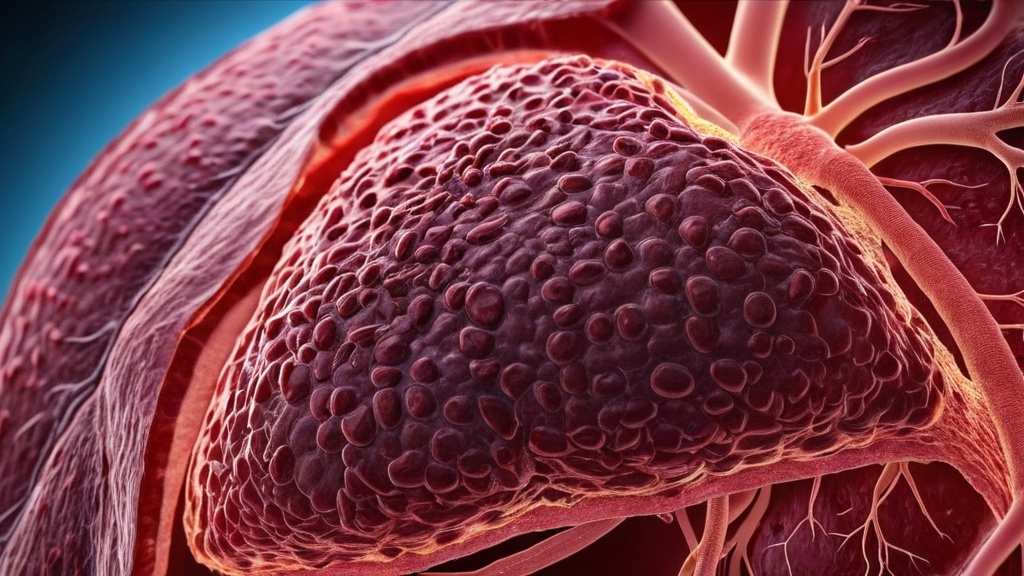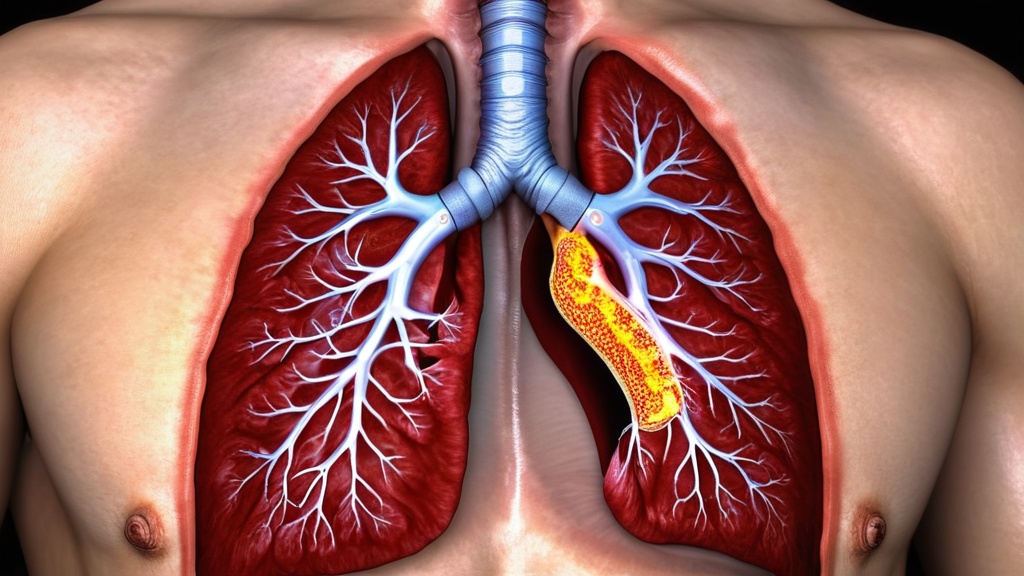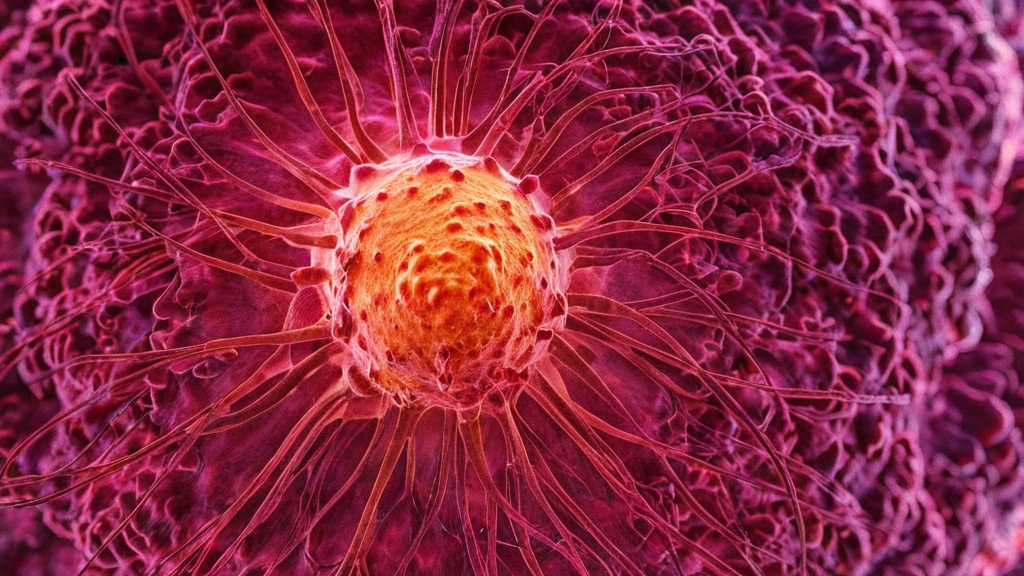

Blood cancer refers to malignancies that affect the blood, bone marrow, and lymphatic system. This category includes leukemia, lymphoma, and myeloma. These cancers disrupt the normal production and function of blood cells, leading to various health complications. Understanding blood cancer is crucial for early detection and effective treatment.
Blood cancer can manifest in different ways, often depending on the specific type and stage. Symptoms may include fatigue, frequent infections, unexplained bruising, or swollen lymph nodes. Awareness of these signs can lead to timely medical intervention, which is vital for improving outcomes.
Key Takeaways
- Blood cancer includes leukemia, lymphoma, and myeloma, each affecting different blood and immune system components.
- Leukemia is the most common blood cancer, with various subtypes requiring specific treatments.
- Lymphoma affects the lymphatic system and has multiple forms, necessitating accurate diagnosis for effective management.
- Genetic mutations and risk factors play a significant role in the development of blood cancers.
- Diagnosis, treatment options, and coping strategies are essential for managing blood cancer and improving patient quality of life.
Leukemia: The Most Common Type of Blood Cancer
Leukemia is the most prevalent form of blood cancer, particularly among children and young adults. It originates in the bone marrow, where blood cells are produced. In leukemia, the body produces abnormal white blood cells that do not function properly. This can lead to a weakened immune system and increased susceptibility to infections.
There are several types of leukemia, including acute and chronic forms. Acute leukemia progresses rapidly and requires immediate treatment, while chronic leukemia develops more slowly. For instance, acute lymphoblastic leukemia (ALL) is common in children, while chronic lymphocytic leukemia (CLL) typically affects older adults. Understanding these differences helps in tailoring treatment approaches.
Lymphoma: Understanding the Cancer of the Lymphatic System
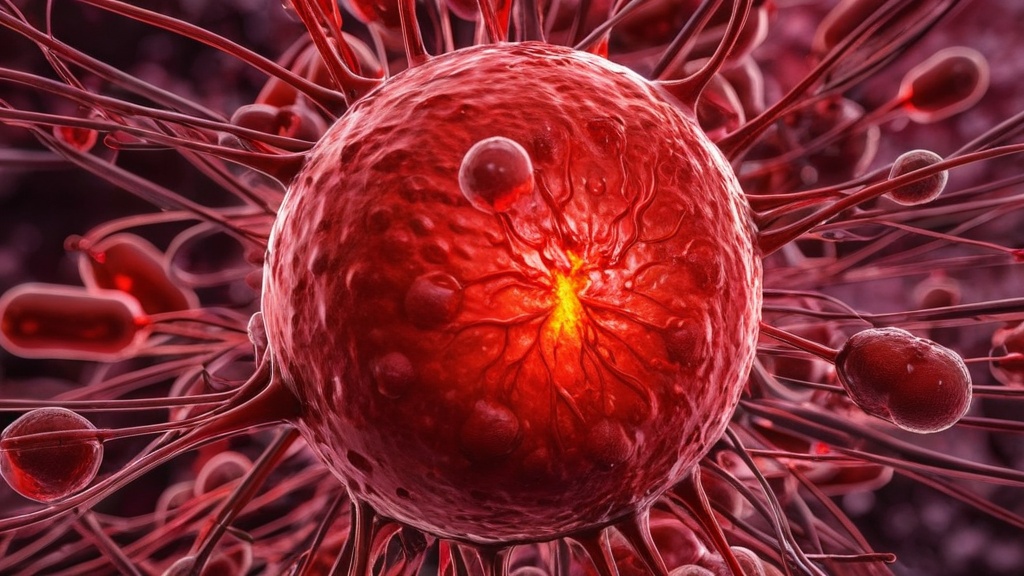
Lymphoma is another major type of blood cancer that affects the lymphatic system. This system plays a crucial role in immune function by transporting lymph fluid throughout the body. Lymphoma occurs when lymphocytes, a type of white blood cell, grow uncontrollably. There are two main categories: Hodgkin lymphoma and non-Hodgkin lymphoma.
Hodgkin lymphoma is characterized by the presence of Reed-Sternberg cells, while non-Hodgkin lymphoma encompasses a diverse group of cancers without these cells. Symptoms may include swollen lymph nodes, fever, night sweats, and unexplained weight loss. Early diagnosis can significantly improve treatment outcomes.
Myeloma: A Rare Form of Blood Cancer
Myeloma, specifically multiple myeloma, is a less common but serious form of blood cancer. It arises from plasma cells, which are responsible for producing antibodies that help fight infections. In myeloma, these plasma cells become malignant and proliferate uncontrollably. This can lead to weakened bones, kidney damage, and immune system issues.
Patients with myeloma may experience symptoms such as bone pain, fatigue, and recurrent infections. Although it is rarer than leukemia or lymphoma, myeloma requires prompt diagnosis and treatment. Advances in therapies have improved survival rates for many patients.
Understanding the Different Subtypes of Leukemia
| Type of Blood Cancer | Description | Common Age Group | Key Symptoms | Survival Rate (5-year) |
|---|---|---|---|---|
| Leukemia | Cancer of the blood-forming tissues, including bone marrow and lymphatic system. | All ages, more common in children and older adults | Fatigue, frequent infections, easy bruising or bleeding | 60-70% |
| Lymphoma | Cancer that begins in the lymphatic system, particularly lymphocytes. | All ages, more common in young adults and older adults | Swollen lymph nodes, fever, night sweats, weight loss | 70-85% |
| Multiple Myeloma | Cancer of plasma cells in the bone marrow. | Typically adults over 60 | Bone pain, anemia, kidney dysfunction | 50% |
Leukemia has several subtypes that vary in their characteristics and treatment approaches. Acute myeloid leukemia (AML) is one such subtype that affects myeloid cells and progresses rapidly. It often requires aggressive treatment strategies like chemotherapy or stem cell transplants.
Chronic myeloid leukemia (CML), on the other hand, develops more slowly and is often manageable with targeted therapies like tyrosine kinase inhibitors. Acute lymphoblastic leukemia (ALL) primarily affects children but can also occur in adults. Each subtype has unique features that influence prognosis and treatment options.
Identifying the Various Forms of Lymphoma
Lymphoma can be classified into various forms based on the type of lymphocyte affected and the disease’s behavior. Follicular lymphoma is a common type of non-Hodgkin lymphoma that tends to grow slowly but can transform into a more aggressive form over time.
Burkitt lymphoma is another subtype known for its rapid growth and aggressive nature. It often requires immediate treatment due to its fast progression. Understanding these distinctions helps healthcare providers develop effective treatment plans tailored to each patient’s needs.
Myelodysplastic Syndromes: A Group of Blood Disorders
Myelodysplastic syndromes (MDS) are a group of disorders caused by poorly formed or dysfunctional blood cells. These syndromes can lead to ineffective blood cell production and may progress to acute myeloid leukemia in some cases. Symptoms often include fatigue, anemia, and increased risk of infections.
MDS primarily affects older adults and can result from genetic mutations or exposure to certain chemicals or radiation. Treatment options vary based on severity but may include supportive care, medications, or stem cell transplants.
The Role of Genetic Mutations in Blood Cancer
Genetic mutations play a significant role in the development of blood cancers. These mutations can occur spontaneously or be inherited from parents. For example, mutations in genes like TP53 or JAK2 have been linked to various types of leukemia and lymphoma.
Understanding these genetic factors can help in developing targeted therapies that specifically address the underlying causes of cancer. Genetic testing may also guide treatment decisions and provide insights into prognosis.
Understanding the Risk Factors for Blood Cancer
Several risk factors can increase the likelihood of developing blood cancer. Age is a significant factor; most cases occur in older adults. Exposure to certain chemicals, such as benzene or formaldehyde, has also been linked to an increased risk.
Family history plays a role as well; individuals with relatives who have had blood cancer may be at higher risk. Additionally, certain genetic disorders like Down syndrome can predispose individuals to leukemia. Awareness of these risk factors can aid in early detection and prevention strategies.
Diagnosis and Treatment Options for Blood Cancer
Diagnosing blood cancer typically involves a combination of blood tests, imaging studies, and bone marrow biopsies. Healthcare providers look for abnormal cell counts or the presence of malignant cells in the bone marrow or lymphatic tissue.
Treatment options vary widely based on the type and stage of cancer. Common approaches include chemotherapy, radiation therapy, targeted therapy, and immunotherapy. For some patients, stem cell transplants may offer a chance for a cure by replacing diseased bone marrow with healthy cells.
Living with Blood Cancer: Coping Strategies and Support Options
Living with blood cancer can be challenging both physically and emotionally. Patients often experience a range of emotions from fear to uncertainty about their future. Developing coping strategies is essential for maintaining mental well-being during treatment.
Support groups can provide valuable connections with others facing similar challenges. Engaging in activities like mindfulness meditation or gentle exercise can also help reduce stress levels. Additionally, open communication with healthcare providers ensures that patients receive comprehensive care tailored to their needs.
In conclusion, understanding blood cancer encompasses various types, subtypes, risk factors, and treatment options. Awareness and education empower patients and their families to navigate this complex landscape effectively. By staying informed and seeking support, individuals can improve their quality of life while managing their condition.
FAQs
What are the main types of blood cancer?
The main types of blood cancer are leukemia, lymphoma, and myeloma. Leukemia affects the blood and bone marrow, lymphoma targets the lymphatic system, and myeloma involves cancerous plasma cells in the bone marrow.
How does leukemia differ from lymphoma?
Leukemia primarily affects the bone marrow and blood, leading to the production of abnormal white blood cells. Lymphoma originates in the lymphatic system, particularly in lymph nodes, and involves the uncontrolled growth of lymphocytes.
What are common symptoms of blood cancer?
Common symptoms include fatigue, frequent infections, unexplained weight loss, swollen lymph nodes, easy bruising or bleeding, and bone or joint pain. Symptoms can vary depending on the type of blood cancer.
How is blood cancer diagnosed?
Blood cancer is diagnosed through a combination of blood tests, bone marrow biopsies, imaging studies, and sometimes lymph node biopsies. These tests help identify abnormal cells and determine the specific type of blood cancer.
Can blood cancer be treated effectively?
Yes, many types of blood cancer can be treated effectively with chemotherapy, radiation therapy, targeted therapy, immunotherapy, and stem cell transplants. Treatment success depends on the type and stage of the cancer as well as the patient’s overall health.