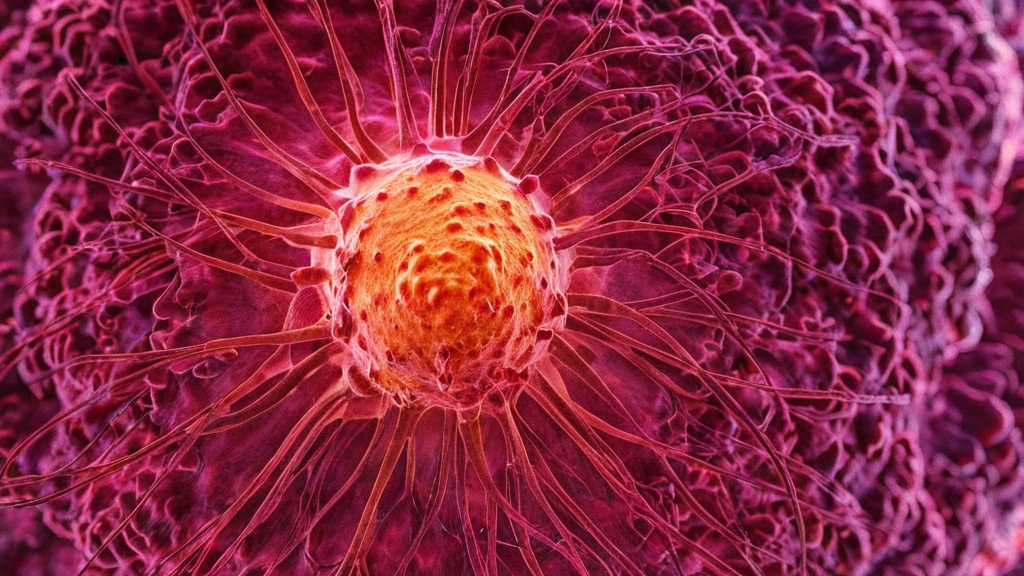
Cancer recurrence refers to the return of cancer after treatment. This can happen months or even years after the initial diagnosis. Recurrence rates vary by cancer type — for example, ovarian cancer recurrence can be as high as ~80–85% in some studies. For many survivors, the fear of recurrence looms large.
Understanding what recurrence means can help alleviate some anxiety. It’s essential to recognize that recurrence does not mean the initial treatment failed; cancer can be unpredictable. When cancer returns, it may come back in the same location or spread to other parts of the body.
This process can be distressing for patients and their families. Knowing the signs and symptoms of recurrence can empower survivors to seek timely medical attention. Regular follow-ups with healthcare providers play a crucial role in monitoring health after treatment.
Key Takeaways
- Cancer recurrence involves the return of cancer after treatment and can vary by type and location.
- Genetics, lifestyle, and environmental factors all play significant roles in the likelihood of cancer returning.
- Effective treatment and prevention strategies include ongoing monitoring, targeted therapies, and lifestyle modifications.
- Emotional and psychological support is crucial for survivors coping with the stress of recurrence.
- Advances in research are improving early detection, prevention, and personalized treatment options for cancer recurrence.
Factors Contributing to Cancer Recurrence
Several factors can influence the likelihood of cancer recurrence. One significant factor is the type and stage of cancer at diagnosis. For instance, aggressive cancers or those diagnosed at a later stage often have higher recurrence rates.
Additionally, the effectiveness of the initial treatment impacts recurrence risk. If cancer cells remain after treatment, they may lead to a return. Other contributing factors include patient health and lifestyle choices.
For example, individuals with weakened immune systems may face a higher risk of recurrence. Moreover, certain genetic mutations can predispose individuals to recurring cancer. Understanding these factors can help patients and healthcare providers develop personalized follow-up plans.
Types of Cancer Recurrence
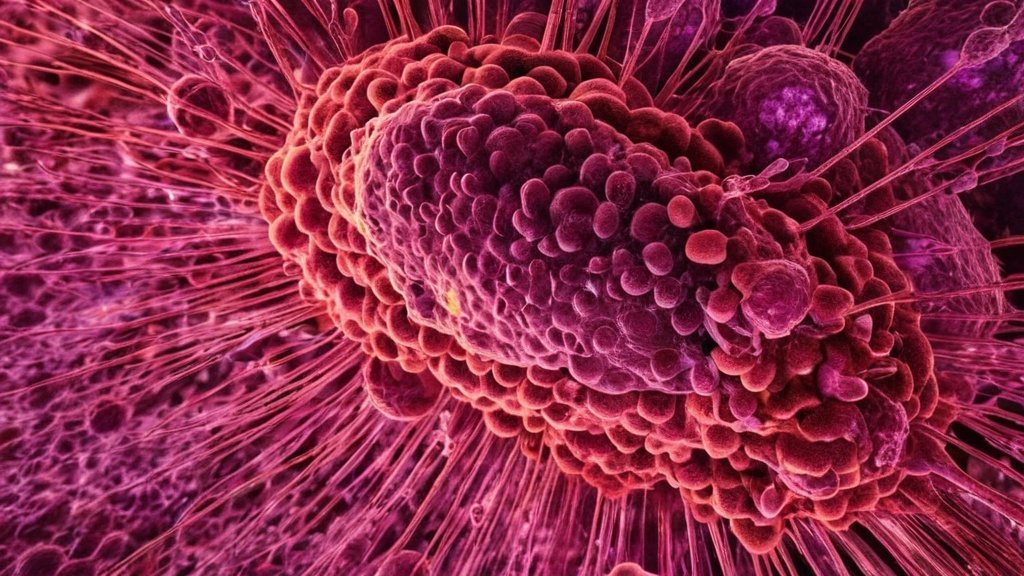
Cancer recurrence can be classified into three main types: local, regional, and distant. Local recurrence occurs when cancer returns to the original site. For example, a breast cancer survivor may experience a local recurrence in the same breast or nearby tissue.
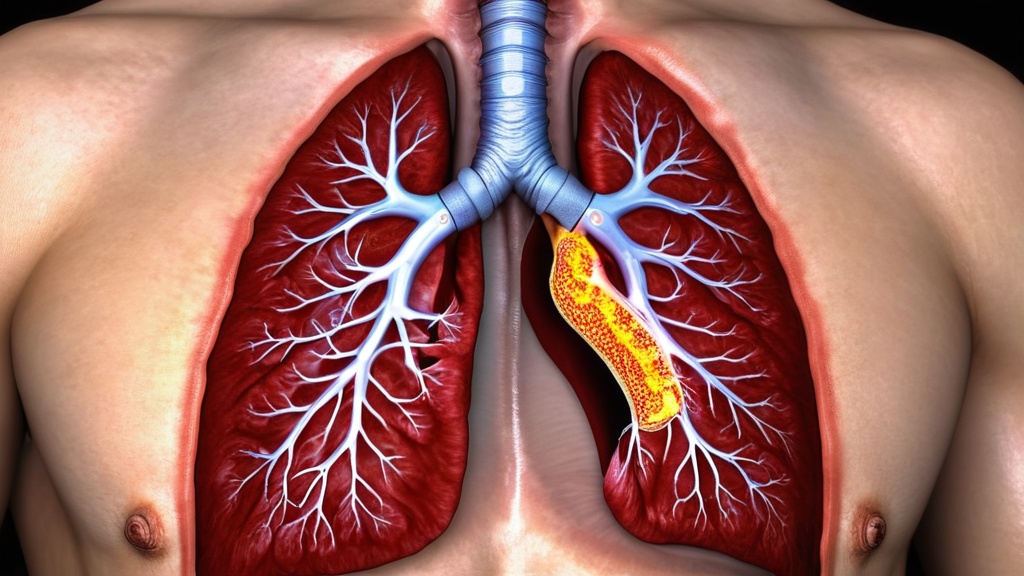
Regional recurrence involves cancer returning to nearby lymph nodes or tissues. Distant recurrence, also known as metastasis, occurs when cancer spreads to other organs or parts of the body. For instance, lung cancer may recur in the brain or bones.
Each type of recurrence requires different treatment approaches and monitoring strategies. Understanding these distinctions helps patients and their families prepare for potential outcomes.
Treatment and Prevention of Cancer Recurrence
Preventing cancer recurrence involves a combination of treatment strategies and lifestyle changes. After initial treatment, healthcare providers may recommend ongoing therapies such as hormone therapy or targeted therapy. These treatments aim to eliminate any remaining cancer cells and reduce the risk of recurrence.
In addition to medical treatments, lifestyle modifications can play a significant role in prevention. Regular exercise, a balanced diet, and maintaining a healthy weight can improve overall health and reduce recurrence risk. For example, studies show that physical activity can lower the risk of breast cancer recurrence by up to 40%.
Engaging in these healthy habits can empower survivors to take control of their health.
The Role of Genetics in Cancer Recurrence
| Factor | Description | Impact on Recurrence | Example Metrics |
|---|---|---|---|
| Residual Cancer Cells | Cancer cells that remain after treatment | High impact; can lead to regrowth of tumor | Percentage of patients with microscopic residual cells: 20-30% |
| Micrometastases | Small clusters of cancer cells spread to other organs | Moderate to high; can cause distant recurrence | Detected in 10-15% of early-stage cancer patients |
| Tumor Microenvironment | Surrounding cells and molecules that support cancer growth | Influences recurrence by promoting survival of cancer cells | Presence of supportive stromal cells in 40% of cases |
| Genetic Mutations | Changes in cancer cell DNA that confer resistance | High; mutations can lead to treatment resistance and recurrence | Mutation rate in recurrent tumors: 30-50% |
| Immune System Evasion | Cancer cells avoid detection by immune cells | Moderate; allows cancer cells to survive and regrow | Immune evasion markers found in 25% of recurrent cases |
| Treatment Type | Effectiveness of surgery, chemotherapy, radiation, etc. | Varies; incomplete treatment increases recurrence risk | Recurrence rates: Surgery alone 30%, Surgery + chemo 15% |
| Time to Recurrence | Duration between initial treatment and cancer return | Indicator of aggressiveness and prognosis | Median time: 18-24 months post-treatment |
Genetics significantly influences cancer behavior, including recurrence patterns. Certain inherited mutations, such as BRCA1 and BRCA2, increase the risk of breast and ovarian cancers returning. Genetic testing can help identify individuals at higher risk for recurrence, allowing for tailored surveillance and preventive measures.
Moreover, understanding genetic factors can guide treatment decisions. For instance, targeted therapies may be more effective for patients with specific genetic mutations. This personalized approach enhances treatment efficacy and minimizes the chances of recurrence.
Patients should discuss genetic testing options with their healthcare providers to understand their risks better.
Lifestyle and Environmental Factors
Lifestyle choices and environmental exposures can impact cancer recurrence rates. Smoking, for example, is linked to higher recurrence rates in several cancers, including lung and bladder cancers. Quitting smoking can significantly improve outcomes for survivors.
Diet also plays a crucial role in cancer prevention. A diet rich in fruits, vegetables, whole grains, and lean proteins supports overall health and may reduce recurrence risk. For instance, research indicates that a Mediterranean diet may lower breast cancer recurrence rates.
Additionally, reducing alcohol consumption can further decrease risks associated with various cancers.
Emotional and Psychological Impact of Cancer Recurrence
The emotional toll of cancer recurrence can be profound. Survivors often experience anxiety, fear, and uncertainty about their future health. These feelings are normal but can be overwhelming without proper support.
Many survivors find it helpful to connect with others who have faced similar challenges. Psychological support is essential for coping with these emotions. Therapy or support groups can provide a safe space for survivors to express their feelings and share experiences.
Mindfulness practices, such as meditation or yoga, can also help manage stress and improve emotional well-being.
Monitoring and Surveillance for Cancer Recurrence
Regular monitoring is vital for detecting cancer recurrence early. Healthcare providers typically recommend follow-up appointments that include physical exams, imaging tests, and blood tests as needed. The frequency of these visits depends on the type of cancer and individual risk factors.
Survivors should actively participate in their follow-up care by discussing any new symptoms with their healthcare team promptly. Keeping a journal of symptoms or changes in health can help track important information between appointments. This proactive approach enhances communication with healthcare providers and supports timely interventions if needed.
Support and Resources for Cancer Survivors
Numerous resources are available to support cancer survivors navigating life after treatment. Organizations like the American Cancer Society offer educational materials, support groups, and counseling services tailored to survivors’ needs. These resources can provide valuable information about managing health and wellness post-treatment.
Additionally, online communities offer platforms for survivors to connect with others facing similar challenges. Sharing experiences and advice can foster a sense of belonging and reduce feelings of isolation. Engaging with these resources empowers survivors to take charge of their health journey.
Coping Strategies for Dealing with Cancer Recurrence
Coping with the possibility of cancer recurrence requires practical strategies and emotional resilience. One effective approach is establishing a strong support network of family, friends, and healthcare providers. Open communication about fears and concerns fosters understanding and support.
Practicing self-care is equally important. Engaging in activities that bring joy—such as hobbies, exercise, or spending time with loved ones—can improve overall well-being. Mindfulness techniques like deep breathing or meditation can also help manage anxiety related to recurrence fears.
Research and Advances in Cancer Recurrence Prevention
Ongoing research continues to explore innovative ways to prevent cancer recurrence. Clinical trials are investigating new therapies that target specific genetic mutations associated with certain cancers. These advancements hold promise for improving outcomes for survivors at high risk of recurrence.
Additionally, studies are examining the role of lifestyle interventions in reducing recurrence rates. Research shows that maintaining a healthy weight and engaging in regular physical activity can significantly impact long-term outcomes for survivors. Staying informed about these developments empowers patients to make educated decisions about their health care.
In conclusion, understanding cancer recurrence involves recognizing its complexities and implications for survivors. By addressing factors contributing to recurrence, exploring treatment options, and embracing lifestyle changes, individuals can take proactive steps toward their health post-cancer treatment. Emotional support and ongoing monitoring are equally vital in navigating this journey successfully.
With continued research and advancements in care, there is hope for improved outcomes for all cancer survivors facing the possibility of recurrence.
FAQs
What is cancer recurrence?
Cancer recurrence refers to the return of cancer after a period of improvement or remission. It means that cancer cells have come back and started to grow again in the same place or another part of the body.
Why does cancer come back after treatment?
Cancer can come back because some cancer cells may survive initial treatment and remain dormant or undetectable for a period. These cells can later begin to grow and multiply, leading to recurrence.
Are all types of cancer likely to recur?
The likelihood of recurrence varies depending on the type of cancer, its stage at diagnosis, the treatment received, and individual patient factors. Some cancers have higher recurrence rates than others.
How is cancer recurrence detected?
Recurrence is often detected through follow-up exams, imaging tests, blood tests, or when symptoms reappear. Regular monitoring after treatment is essential to identify recurrence early.
Can cancer recurrence be prevented?
While it may not always be possible to prevent recurrence, following recommended treatment plans, maintaining a healthy lifestyle, and attending regular follow-up appointments can help reduce the risk.
What are the treatment options for recurrent cancer?
Treatment for recurrent cancer depends on the location, extent of recurrence, previous treatments, and overall health. Options may include surgery, chemotherapy, radiation therapy, targeted therapy, immunotherapy, or a combination.
Is cancer recurrence more difficult to treat than the initial cancer?
Recurrent cancer can sometimes be more challenging to treat because it may be resistant to previous therapies or more aggressive. However, advances in treatment have improved outcomes for many patients with recurrent cancer.
How long after treatment can cancer recur?
Cancer can recur months or even years after initial treatment. The risk of recurrence generally decreases over time but varies by cancer type and individual circumstances.
Does cancer recurrence mean the cancer is terminal?
Not necessarily. While recurrence can be serious, many patients respond well to additional treatment and can achieve remission or long-term control of the disease.
What factors influence the risk of cancer recurrence?
Factors include the cancer type and stage, tumor characteristics, treatment effectiveness, genetic factors, lifestyle choices, and overall health. Doctors use these factors to assess recurrence risk and plan follow-up care.