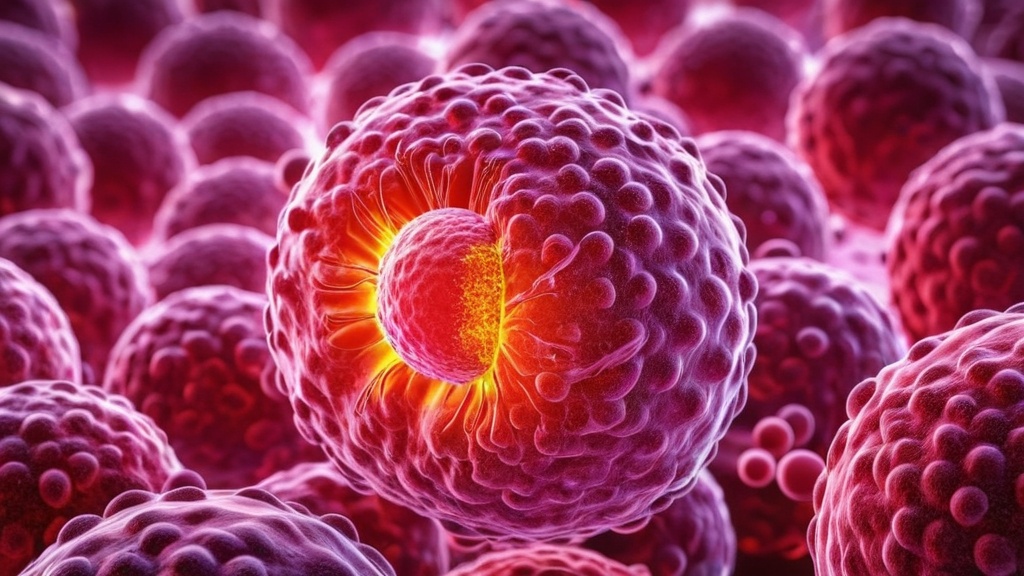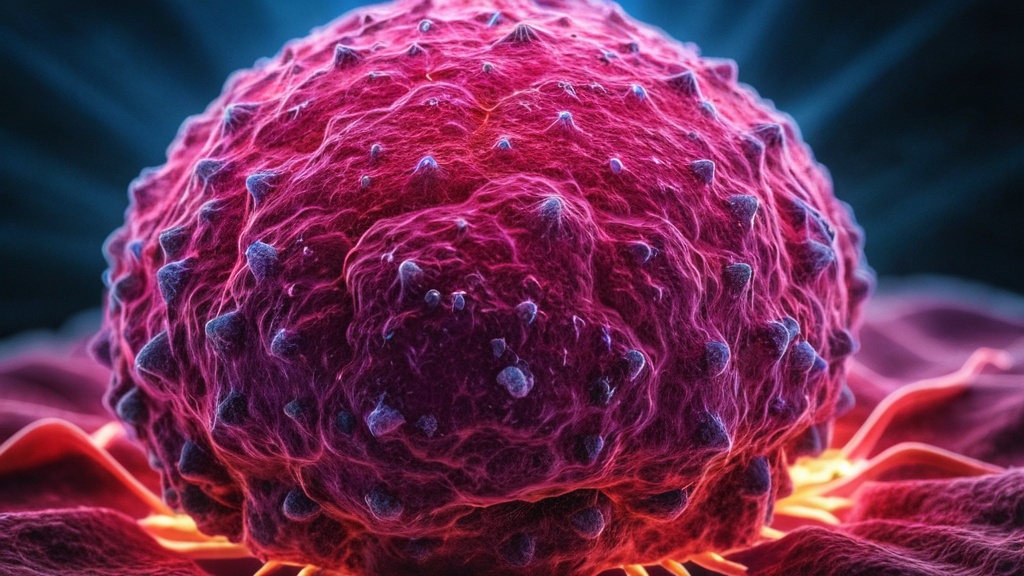

Imagine your body as a high-performance race car. During cancer treatment, it’s undergoing intense repairs. The fuel you provide matters dramatically. What you eat can either help repair the engine or cause more stress. This guide will help you choose the right fuel for your remarkable journey.
Your body works hard to fight cancer. It needs specific nutrients to heal. These nutrients support your immune system. They also help manage treatment side effects. Think of your immune system as your pit crew. You want them to have the best tools.
Building Blocks for Repair
Proteins are essential. They rebuild damaged cells and tissues. Your body needs more protein during treatment. Good sources include lean meats and fish. Legumes like beans and lentils are also great. Even small portions help.
Energy for the Fight
Carbohydrates provide your energy. Choose complex carbohydrates. These release energy slowly. Whole grains are a good example. Fruits and vegetables also provide carbs. They also bring vital vitamins.
The Role of Fats
Healthy fats are important. They help your body absorb vitamins. They also reduce inflammation. Avocados and nuts offer good fats. Olive oil is another excellent choice. Limit unhealthy saturated fats.
Diet Strategies to Support Cancer Treatment
Specific dietary approaches can help. They aim to support your body during therapy. These diets focus on nutrient-dense foods. They also consider managing side effects. The goal is to optimize your body’s response.
Anti-Inflammatory Eating Patterns
Inflammation can hinder healing. An anti-inflammatory diet fights this. It emphasizes fruits and vegetables. Legumes and whole grains fit well. Coffee and tea can also help. Processed meats and sugary drinks are avoided. This type of eating pattern is key.
Fruits and Vegetables: Nature’s Powerhouses
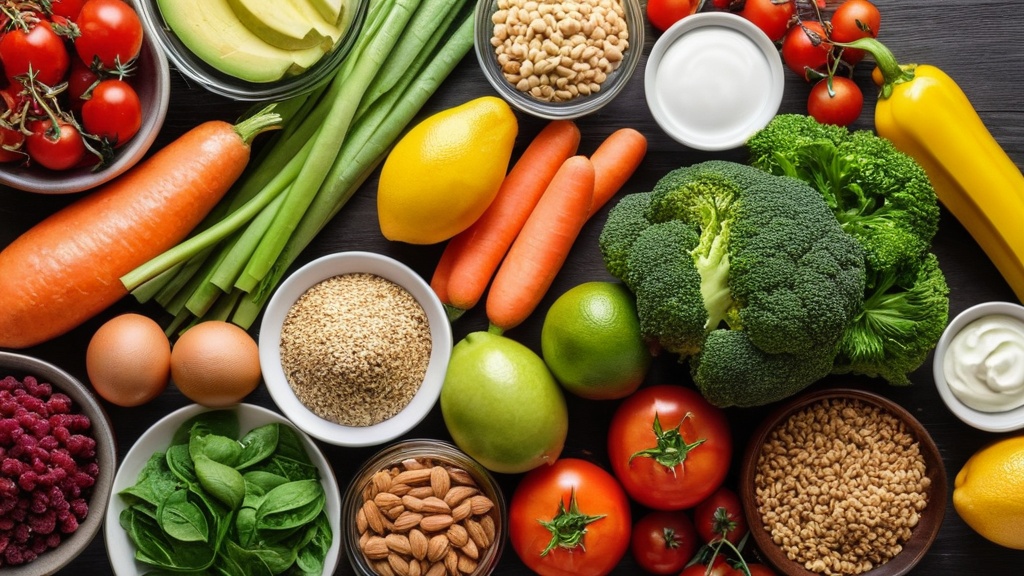
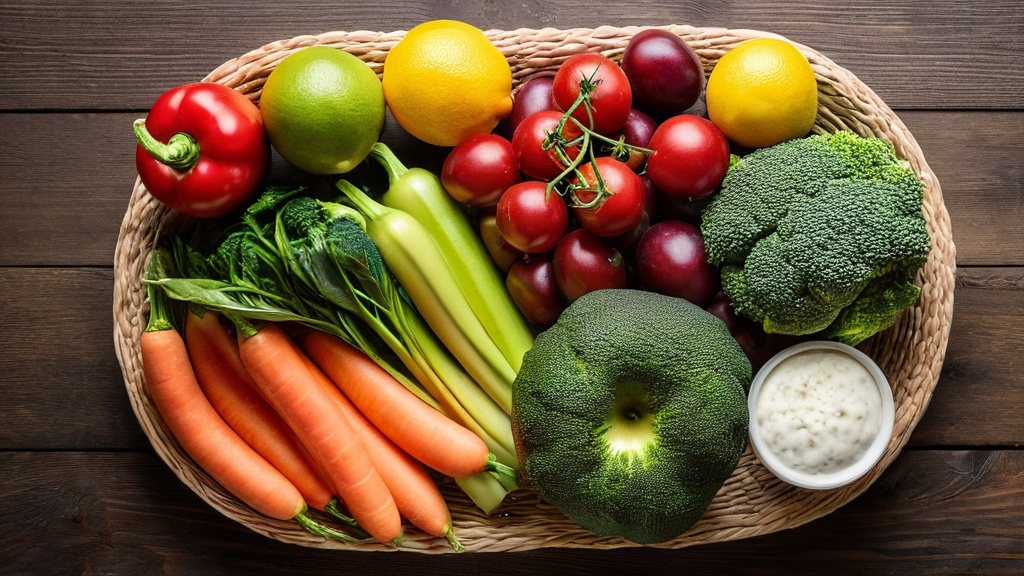
Load up your plate with color. Different colors signify different nutrients. Berries, leafy greens, and carrots are excellent. They are packed with antioxidants. These compounds protect your cells. Aim for a variety every day.
The Benefits of Whole Grains and Legumes
These provide sustained energy. They are also rich in fiber. Fiber supports gut health. This is crucial for immunity. Brown rice, quinoa, and beans are good choices. They offer sustained fuel without spikes.
Glucose Metabolism and Cancer Cells
Cancer cells often thrive on sugar. Some dietary strategies aim to limit this. They can try to starve cancer cells. This focuses on reducing readily available glucose. Your body’s immune cells also need fuel. Tailored diets can support them. This is an active area of research.
Understanding Glucose Restriction
This is not about complete sugar elimination. It focuses on strategic carbohydrate choices. It aims to lower blood sugar spikes. Medical guidance is essential for this approach. It’s about smart food selection.
Fueling Your Immune System
Your immune cells need energy too. They fight cancer cells and infections. A balanced diet supports their function. Adequate protein and healthy fats are vital. This helps your immune army stay strong.
Managing Treatment Side Effects Through Nutrition
Cancer treatments can cause side effects. These often affect eating. Nausea, mouth sores, and changes in taste are common. Diet can help manage these challenges. Small, frequent meals can be beneficial.
Combating Nausea and Vomiting
Ginger is known to help nausea. Ginger tea or candies can offer relief. Bland foods are often easier to tolerate. Toast, crackers, and plain rice are good. Avoid strong smells and greasy foods. Stay hydrated with clear fluids.
Dealing with Mouth Sores and Taste Changes
Softer foods are gentler on mouth sores. Yogurt, pudding, and smoothies work well. Avoid spicy, acidic, or very hot foods. Nutrient-rich shakes can supplement intake. Experiment with different seasonings. Herbs can add flavor without irritation.
Preserving Muscle Mass
Muscle loss is a common concern. Protein intake is critical for muscle. Aim for protein at every meal. Lean meats, poultry, and fish are good. Dairy products and soy also contribute. Resistance exercises, if possible, also help.
The Importance of Hydration
Water is fundamental for life. It carries nutrients. It helps remove waste products. Hydration is especially important during treatment. Dehydration can worsen side effects. Sip fluids throughout the day.
Choosing the Right Fluids
Water is always the best choice. Thirst can be a good guide. Clear broths offer hydration and electrolytes. Diluted fruit juices can be an option. Avoid sugary drinks. They offer little nutritional value.
Recognizing Dehydration Signs
Dry mouth and decreased urination are signals. Fatigue can also indicate dehydration. If you feel unwell, seek advice. Your medical team can help. Proper hydration supports your body’s functions.
Long-Term Recovery and Nutritional Patterns
| Diet Type | Benefits | Considerations |
|---|---|---|
| Ketogenic Diet | May help reduce tumor growth | May be difficult to sustain long-term |
| Mediterranean Diet | Rich in antioxidants and healthy fats | May require significant dietary changes |
| Plant-Based Diet | High in fiber and nutrients | May require careful planning to ensure adequate protein intake |
| Low-Fat Diet | May help reduce risk of certain cancers | May be challenging to maintain |
Recovery is a marathon, not a sprint. Your diet plays a role long after treatment ends. Continuing healthy eating patterns is beneficial. These patterns support your overall health. They can also reduce recurrence risk.
Sustainable Dietary Habits
Focus on patterns, not fads. Prioritize whole, unprocessed foods. These include plenty of fruits and vegetables. Whole grains and legumes are important. Limit processed meats and sugary items. This aligns with general health recommendations.
The Role of Diet in Cancer Prevention
Long-term healthy eating aids prevention. It helps maintain a healthy weight. Physical activity is also key. Reducing alcohol and smoking is vital. This comprehensive approach supports lasting wellness.
Resources for Nutritional Support
Registered dietitians are invaluable. They can create personalized plans. They understand specific treatment needs. Public health organizations also offer guidance. Your oncology team can provide referrals. They are your partners in recovery.
This journey requires strength and resilience. Nutrition is a powerful tool in your arsenal. By understanding your body’s needs, you empower yourself. Focus on nourishing your body. Celebrate every step towards recovery. Your body is remarkably capable. You are giving it the best chance to heal.
FAQs
What is a cancer diet?
A cancer diet is a nutritional plan that focuses on providing the body with the necessary nutrients to support overall health and well-being during cancer treatment. It aims to help manage side effects of treatment, support the immune system, and maintain a healthy weight.
What are the key components of a cancer diet?
A cancer diet typically includes a variety of fruits, vegetables, whole grains, lean proteins, and healthy fats. It also emphasizes staying hydrated and limiting processed foods, sugary drinks, and excessive alcohol consumption.
Can a cancer diet prevent or cure cancer?
While a healthy diet can support overall health and may help reduce the risk of certain types of cancer, there is no specific diet that can prevent or cure cancer on its own. However, a well-balanced diet can play a supportive role in managing symptoms and improving quality of life during cancer treatment.
Are there specific foods to avoid during cancer treatment?
During cancer treatment, it is generally recommended to limit the intake of processed meats, fried foods, sugary snacks, and excessive amounts of red meat. Additionally, individuals may need to avoid certain foods based on their specific treatment plan and any dietary restrictions.
Should I consult a healthcare professional before making changes to my diet during cancer treatment?
Yes, it is important to consult with a healthcare professional, such as a registered dietitian or oncologist, before making any significant changes to your diet during cancer treatment. They can provide personalized guidance based on your individual needs and treatment plan.