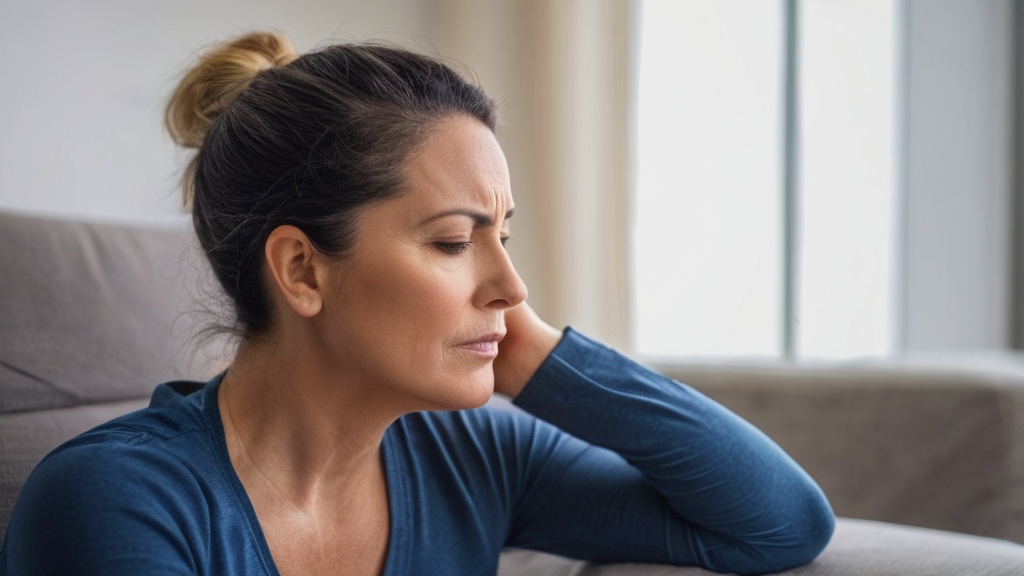
Facing a cancer diagnosis can feel like stepping into uncharted territory. Suddenly, your world shifts, and the path ahead seems uncertain. But you are not alone on this journey. Many resources and strategies can help you navigate this new landscape with strength and clarity.
This article offers guidance and practical tips. It aims to empower you with knowledge. We will explore various aspects of life with cancer.
Getting a clear understanding is the first vital step. It helps you make informed decisions. Knowing the details empowers you.
What is Cancer?
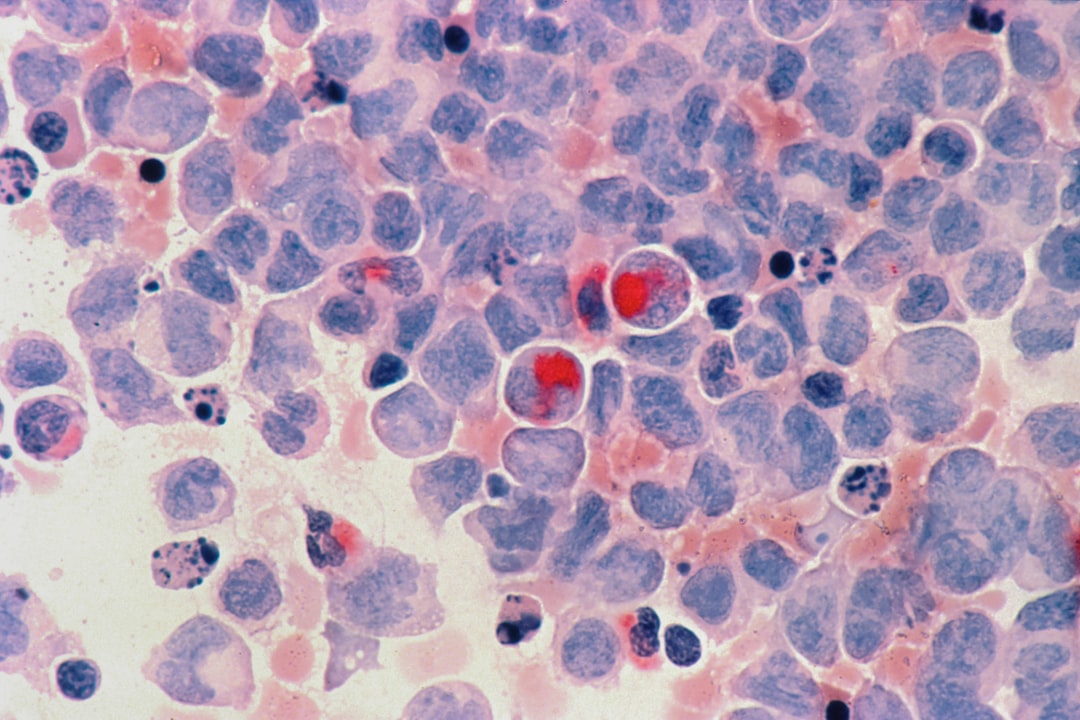
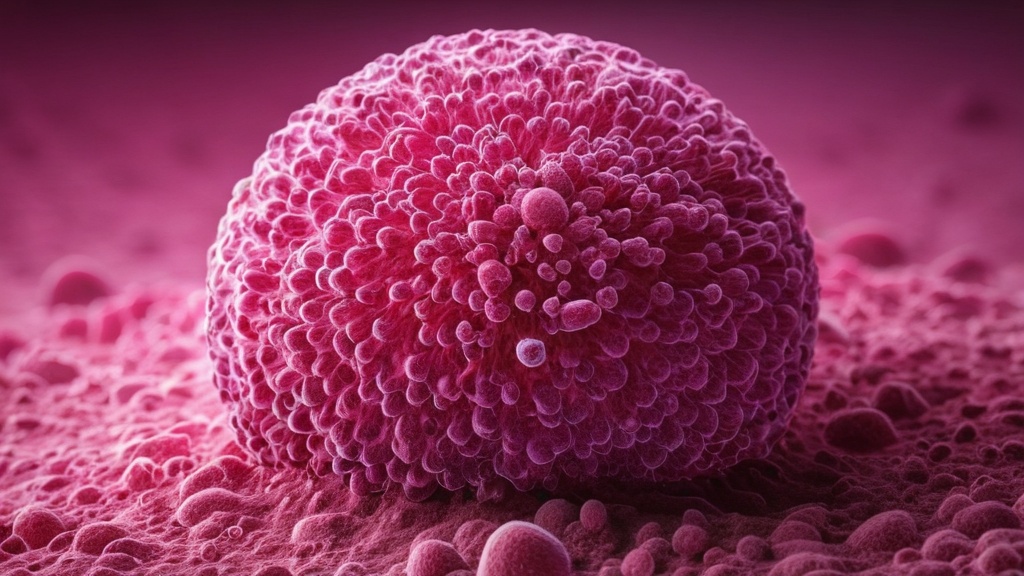
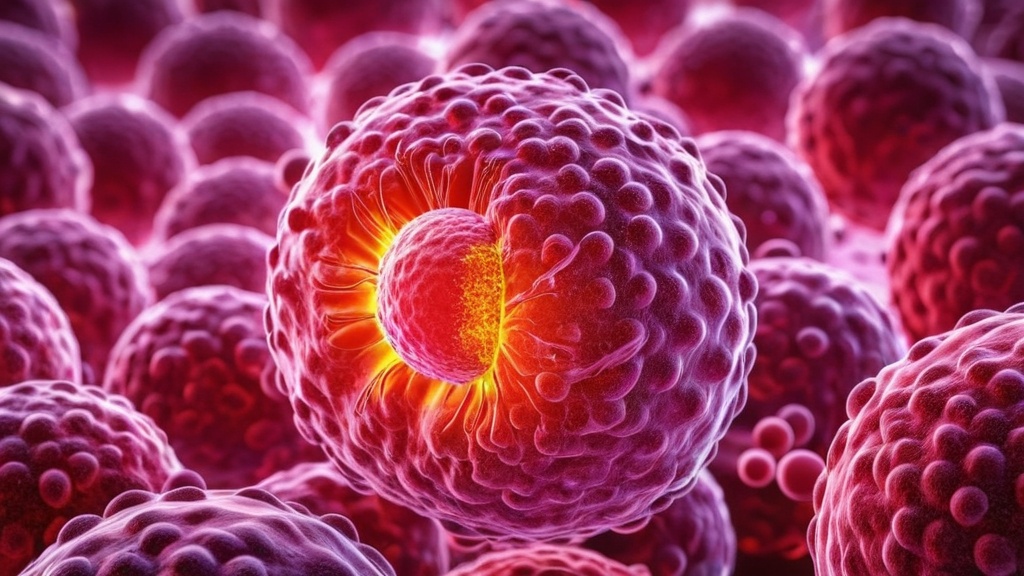
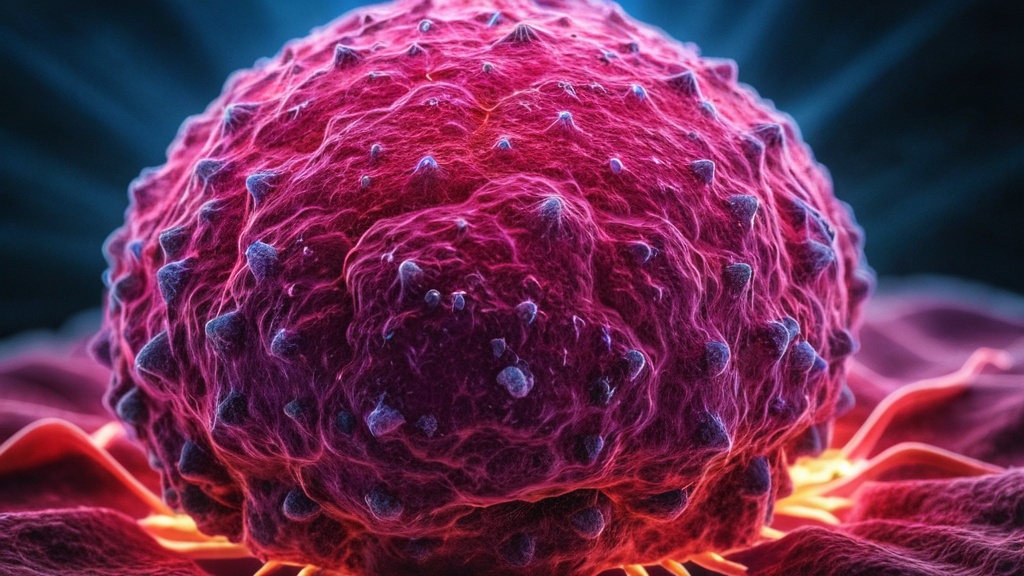
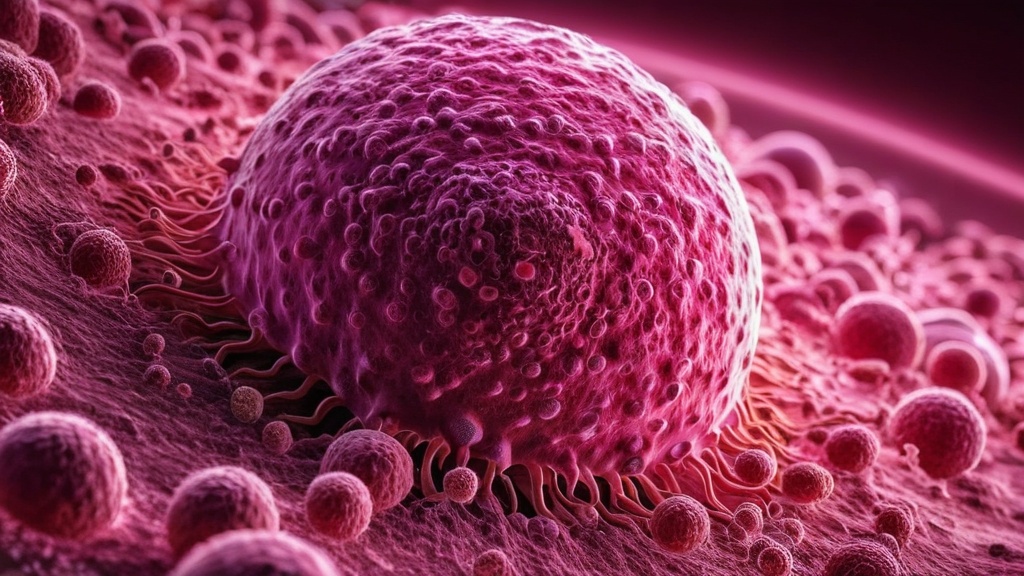
Cancer is a disease of cell growth. Cells normally grow and divide. They die when they get old or damaged. Cancer happens when cells grow out of control. These abnormal cells can form a mass called a tumor.
Tumors can be benign or malignant. Benign tumors do not spread. Malignant tumors can invade nearby tissues. They can also spread to distant parts of the body. This spreading is called metastasis.
Types of Cancer
Many different types of cancer exist. They are named after the organ or cell where they start. For example, lung cancer starts in the lungs. Leukemia starts in blood-forming tissues.
The type of cancer affects its behavior. It also influences treatment options. Doctors classify cancers based on many factors. These include cell type, grade, and stage.
Cancer Staging
Staging helps doctors determine the extent of cancer. It describes how large the tumor is. It also shows if cancer has spread. Staging uses systems like the TNM system.
TNM stands for Tumor, Node, and Metastasis. This system helps predict prognosis. It also guides treatment planning. Understanding your stage is crucial.
Navigating Your Treatment Plan
Treatment plans are highly individualized. They depend on your cancer’s specifics. Your overall health also plays a role. Open communication with your medical team is key.
Treatment Modalities
Several main types of treatment exist. Surgery removes tumors. Radiation therapy uses high-energy rays. Chemotherapy uses drugs to kill cancer cells.
Immunotherapy harnesses your immune system. Targeted therapy attacks specific cancer cell alterations. These can be used alone or in combination. Your doctor will recommend the best approach.
Side Effects and Management
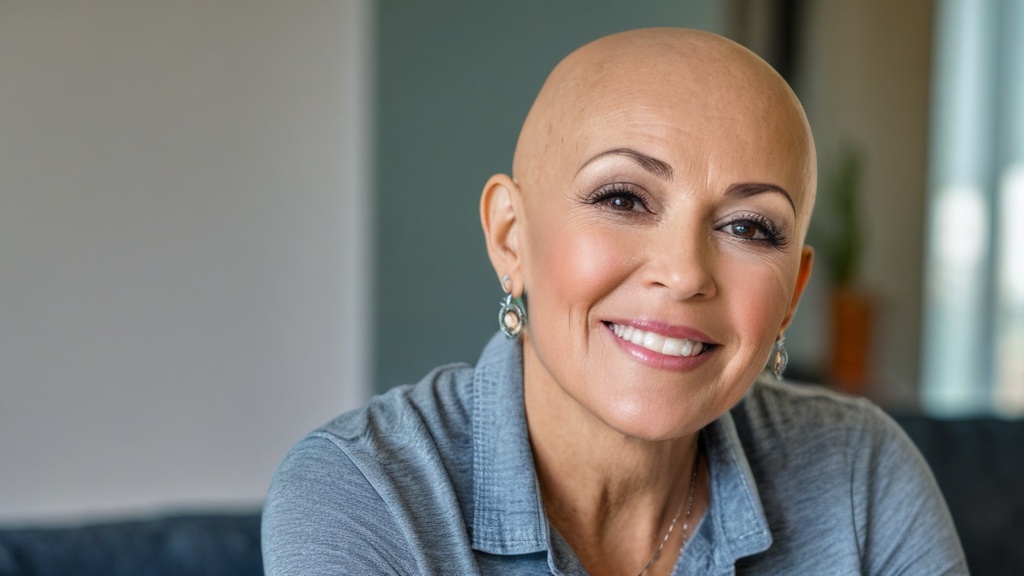
Treatments can cause side effects. These vary greatly depending on the therapy. Common side effects include fatigue, nausea, and hair loss.
Managing side effects is an important part of care. Your medical team can offer solutions. These might include medications or lifestyle adjustments. Staying hydrated and eating well helps.
Clinical Trials
Clinical trials test new cancer treatments. They offer access to cutting-edge therapies. Participation can benefit others too. Your doctor can discuss if trials are right for you. The American Association for Cancer Research (AACR) forecasts continued focus on advancing existing therapies and developing novel approaches.
Building Your Support Network
You do not have to face cancer alone. A strong support system is invaluable. This network includes medical professionals and loved ones.
The Medical Team
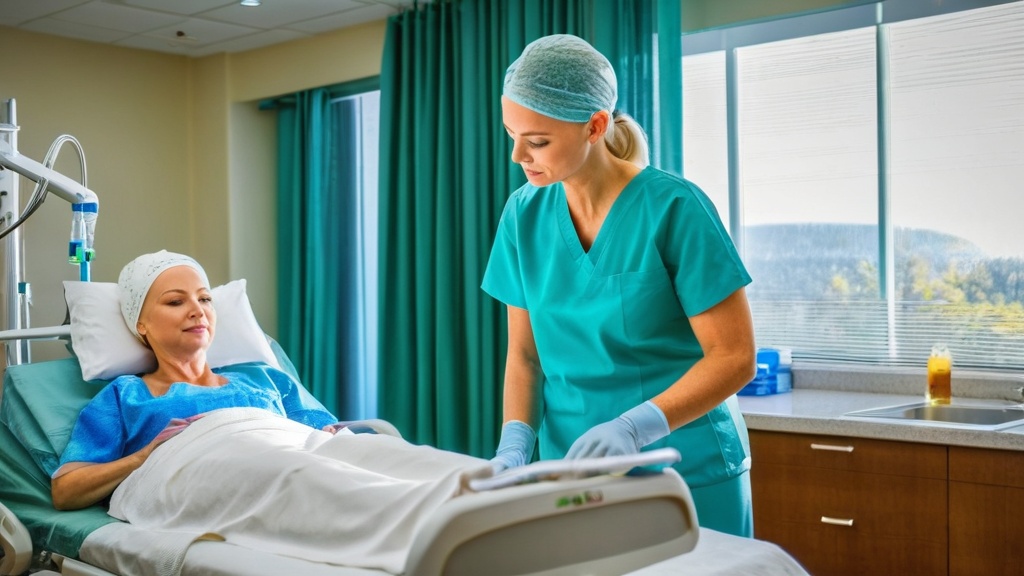
Your oncologist is your primary doctor. They oversee your treatment. Nurses and other specialists are also vital. Nurse navigators, like those at HCA Healthcare’s Sarah Cannon, offer personalized guidance throughout your journey.
They explain complex information. They coordinate your care appointments. Always feel comfortable asking them questions. No question is too small.
Friends and Family
Lean on your friends and family. They can offer emotional support. They can also help with practical tasks like errands or meals. Sometimes, just having someone listen helps.
Be open about your needs. People want to help but may not know how. Clearly communicating what you need is important.
Support Groups
Support groups connect you with others. These individuals share similar experiences. You can exchange coping strategies. You can find comfort in shared understanding. The UICC’s “United by Unique” campaign highlights the power of shared personal stories.
Lifestyle Adjustments for Well-being
Daily habits can significantly impact your well-being. Small, consistent changes can make a big difference. Focus on what you can control.
Nutrition
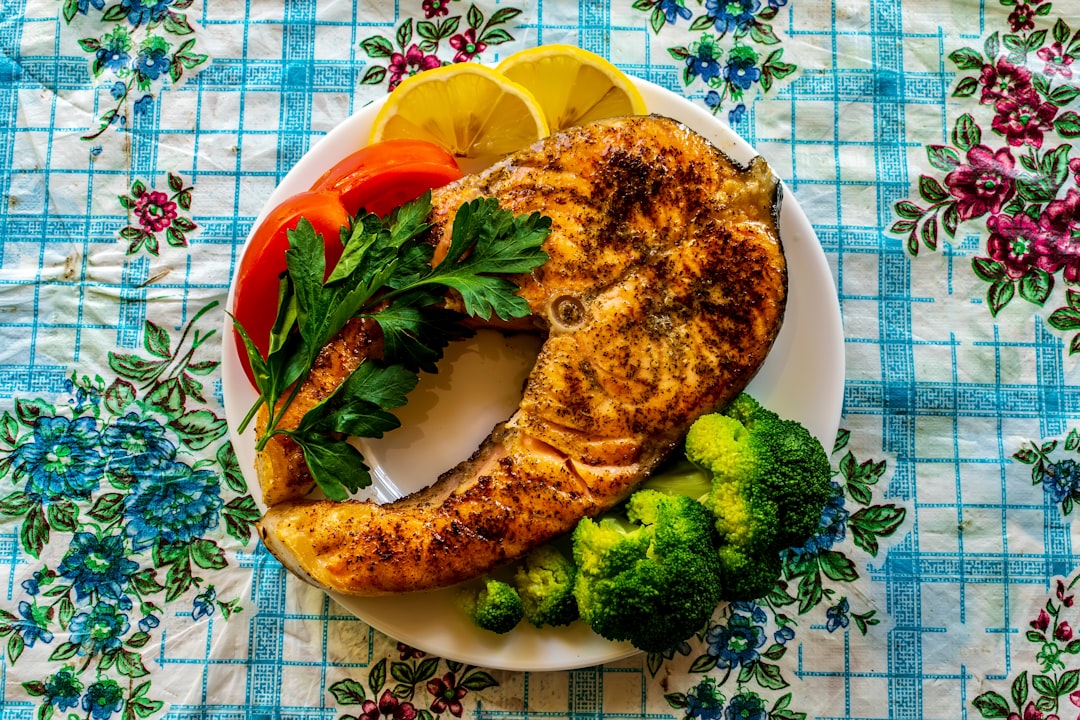
Good nutrition fuels your body. It helps you manage treatment side effects. Focus on whole foods. Fruits, vegetables, and lean proteins are excellent choices.
Talk to your doctor or a dietitian. They can help create a personalized meal plan. Avoid fad diets. Focus on balanced eating. Research shows diet and exercise can improve outcomes for some cancers, like colorectal cancer.
Exercise
Gentle exercise can boost your energy. It improves mood and sleep quality. Even short walks can be beneficial. Listen to your body.
Consult your doctor before starting a new routine. They can suggest safe and appropriate exercises. Consistency is more important than intensity.
Stress Management
Cancer diagnosis and treatment are stressful. Finding healthy ways to cope is essential. Meditation, deep breathing, or yoga can help. Spending time in nature can also be calming.
Engage in hobbies you enjoy. Prioritize rest and relaxation. These practices support both your mental and physical health.
Living Beyond Treatment
| Topic | Statistics |
|---|---|
| Survival Rate | Approximately 67% of cancer patients survive at least 5 years after diagnosis |
| Treatment Options | There are various treatment options including surgery, chemotherapy, radiation therapy, immunotherapy, and targeted therapy |
| Emotional Impact | Many cancer patients experience emotional distress, anxiety, and depression during their journey |
| Support Services | Support services such as counseling, support groups, and palliative care are available to help patients cope with the challenges of living with cancer |
A cancer diagnosis marks a significant life event. But it is not the end of your story. Many people live full lives after treatment.
Follow-Up Care
Regular check-ups are vital after treatment. These appointments monitor your health. They also detect any signs of recurrence early. Adhere to your recommended follow-up schedule.
Emotional Health
Emotional recovery is as important as physical healing. It is normal to have a range of emotions. Sadness, anxiety, or fear can arise. Seeking professional counseling can be very helpful.
Returning to Normalcy
“Normal” might look different now. That is okay. Rediscover your interests. Set new goals at your own pace. Celebrate your strength and resilience. The five-year survival rate for cancer has now reached 70%, according to VAI research.
Adolescent and Young Adult (AYA) Cancers
Cancer in adolescents and young adults presents unique challenges. Early-onset cancer rates are rising in this age group. Navigating diagnosis and treatment requires specialized support. UCLA research highlights these unique navigation needs.
Long-Term Survivorship
Life after cancer is a new beginning. Focus on living well. Cherish your health and your relationships. The journey continues, marked by resilience.
World Cancer Day
World Cancer Day, February 4th, raises awareness. It promotes cancer prevention and research. The UICC’s campaign “United by Unique” celebrates individuality. It emphasizes people-centered care for diverse cancer journeys.
Hope and Progress
Significant progress is being made in cancer research. Advances in immunotherapy show great promise. Menin inhibitors show effectiveness in certain leukemias. RAS inhibitors are in trials for pancreatic cancer. New treatments for multiple myeloma can delay stem cell transplants for deep remissions. Dana-Farber reports ongoing breakthroughs.
Empowering Your Journey
Navigating life with cancer is challenging. But with knowledge, support, and self-care, you can face it proactively. Remember, you are not alone. Resources and dedicated professionals are here to help you every step of the way. PRNewswire’s guidelines post-diagnosis offer initial steps for navigating this phase.
FAQs
What is cancer?
Cancer is a disease characterized by the uncontrolled growth and spread of abnormal cells in the body. It can affect any part of the body and has the potential to invade and destroy surrounding healthy tissue.
What are the common treatments for cancer?
Common treatments for cancer include surgery, chemotherapy, radiation therapy, immunotherapy, targeted therapy, hormone therapy, and stem cell transplant. The specific treatment plan depends on the type and stage of cancer.
What are the common side effects of cancer treatment?
Common side effects of cancer treatment can include fatigue, nausea, vomiting, hair loss, pain, and changes in appetite. Additionally, some treatments may weaken the immune system, leading to an increased risk of infection.
How can one cope with the emotional impact of living with cancer?
Coping with the emotional impact of living with cancer can be challenging. It’s important to seek support from friends, family, support groups, or mental health professionals. Engaging in activities that bring joy and practicing relaxation techniques can also help manage stress and anxiety.
What lifestyle changes can help improve the quality of life for cancer patients?
Lifestyle changes such as maintaining a healthy diet, staying physically active, getting enough rest, and managing stress can help improve the quality of life for cancer patients. It’s also important to follow the treatment plan recommended by healthcare providers and attend regular medical appointments.