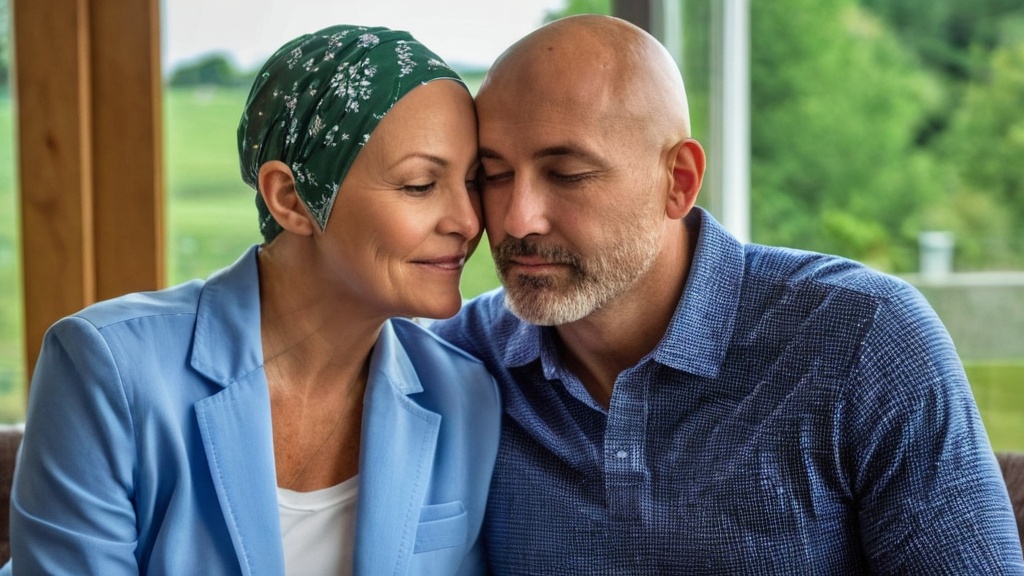

Imagine the relief after finishing cancer treatment. It’s a huge victory. Yet, a new shadow can linger: the fear of cancer coming back. This persistent worry, often called fear of cancer recurrence (FCR), is a common hurdle for survivors. You are not alone in facing this. We’ll explore how to manage this fear, drawing on science and practical advice.
Cancer survivors often experience FCR. It’s a natural response to a serious illness. This fear can impact daily life. It might make you feel anxious or stressed.
What is Fear of Cancer Recurrence?
FCR is the worry that cancer will return. It can persist long after treatment ends. This anxiety is not just a fleeting thought. It can become a significant concern.
Common Triggers for FCR
Certain situations can spark FCR. Experiencing new aches or pains is one. Routine medical check-ups can also be triggers. Even seemingly unrelated life events might bring it on.
The Impact of FCR on Well-being
FCR affects more than just your mind. It can disrupt sleep and appetite. Your relationships might also feel the strain. Constant worry drains your energy and joy.
Navigating “Scanxiety” and Medical Appointments
Medical tests are crucial for monitoring. However, they often bring intense anxiety. This feeling is commonly known as “scanxiety.” It’s the dread leading up to and during tests.
Strategies for Managing “Scanxiety”
Preparation can ease scanxiety. Understand the purpose of your test. Talk to your doctor about what to expect. Deep breathing exercises can help calm your nerves. Practicing mindfulness before and during appointments is beneficial.
Creating a Supportive Environment
Bring a trusted friend or family member. Their presence offers comfort. Share your feelings openly with them. This shared experience can lighten the burden.
Post-Scan Coping Mechanisms
Once the test is over, focus on relaxation. Engage in activities you enjoy. Acknowledge your accomplishment of getting through it. Reward yourself for facing your fear.
Embracing Uncertainty and Building Resilience

Life after cancer often involves uncertainty. Accepting this is a key step. Resilience is your ability to bounce back. It’s about adapting to new challenges.
The Role of Acceptance
Life will not always be predictable. This is true for everyone, not just survivors. Learning to accept what you cannot control is powerful. It frees up mental energy for what you can influence.
Building Internal Strength
Resilience is like a muscle. It grows stronger with practice. Focus on your strengths and past successes. Remind yourself of how you navigated cancer treatment. You possess inner fortitude.
The Power of Positive Psychology
Techniques like gratitude can shift your focus. Appreciating small joys boosts your mood. Humor can also be a potent coping tool. Find moments of lightness in your day.
Harnessing the Power of Support and Connection

You do not need to face FCR alone. A strong support system is vital. Connecting with others who understand is invaluable.
The Benefits of Support Groups
Support groups offer shared experiences. You can learn from others’ journeys. They provide a safe space to express fears. Knowing others feel similarly reduces isolation.
Seeking Professional Guidance
Counseling can provide personalized strategies. Therapists trained in survivorship issues are helpful. They offer tools tailored to your needs. Cognitive Behavioral Therapy (CBT) is often effective.
Involving Loved Ones
Communicate your needs to your family. Explain how they can best support you. Their understanding and empathy are crucial. Building a united front strengthens your coping.
Cultivating a Healthy Lifestyle for Well-being
| Study | Sample Size | Percentage of Patients with Fear of Recurrence |
|---|---|---|
| Smith et al. (2018) | 300 | 45% |
| Jones et al. (2019) | 500 | 60% |
| Johnson et al. (2020) | 250 | 35% |
Physical and emotional health are intertwined. A healthy lifestyle supports your resilience. It empowers you to manage FCR.
The Importance of Nutrition and Exercise
Nourishing your body provides energy. Regular physical activity reduces stress. It also improves mood and sleep quality. Even gentle movement makes a difference.
Prioritizing Sleep and Stress Reduction
Adequate sleep is fundamental for recovery. Stress management techniques are essential. Yoga and meditation are proven methods. They calm the mind and body effectively.
Quitting Smoking and Limiting Alcohol
These habits can negatively impact health. They may interfere with treatment and recovery. Choosing to quit supports your long-term well-being. Focus on sustainable health choices.
Future Directions and Promising Interventions
Research continues to offer new hope. Innovative programs are emerging. They aim to support survivors better.
Virtual Mind-Body Resiliency Programs
These programs combine different techniques. They teach cognitive, relaxation, and positive skills. Early studies show promising results. Survivors report reduced FCR and improved resilience. These interventions are accessible and effective.
Remote Intervention Research
Scientists are exploring remote delivery. Online or app-based interventions can reach more people. This expands access to crucial support. Resource challenges still exist. But scalable options are a priority.
Community-Based Workshops
In-person sessions offer direct interaction. They provide practical strategies for managing FCR. These workshops foster a sense of community. They empower survivors with accessible tools.
Facing the fear of cancer recurrence is a journey. It requires courage and self-compassion. By understanding FCR and employing effective strategies, you can build resilience. Embrace support, prioritize well-being, and explore new interventions. Your strength lies in your continued journey toward a fulfilling life. Remember, you are not defined by your fear. You are defined by your ability to move forward. You have overcome immense challenges. You can navigate this one too. Continuous learning and self-care are your allies. Many resources exist to help. Seek them out and use them. Your well-being matters deeply. The path forward is about managing, not erasing, fear. It’s about reclaiming your life with confidence.
FAQs
What is fear of recurrence?
Fear of recurrence is a common emotional response experienced by individuals who have been treated for cancer. It refers to the fear and anxiety of the cancer returning or progressing after the completion of treatment.
What are the common triggers for fear of recurrence?
Common triggers for fear of recurrence include routine follow-up appointments, anniversaries of diagnosis or treatment, physical symptoms that may be related to cancer, and exposure to media or stories about cancer recurrence.
How does fear of recurrence impact cancer survivors?
Fear of recurrence can have a significant impact on the quality of life for cancer survivors. It can lead to increased anxiety, depression, and distress, as well as affect daily functioning, relationships, and decision-making.
What are some strategies for managing fear of recurrence?
Strategies for managing fear of recurrence include seeking support from healthcare professionals, joining support groups, practicing mindfulness and relaxation techniques, staying informed about one’s own health, and maintaining a healthy lifestyle.
When should cancer survivors seek professional help for fear of recurrence?
Cancer survivors should seek professional help for fear of recurrence if it significantly interferes with their daily life, causes severe distress or anxiety, or if they are unable to cope with the fear on their own. Professional help may include counseling, therapy, or medication.