Imagine your body as a finely tuned engine. Over time, even the best engines experience wear and tear. This natural process, called aging, is deeply connected to how our bodies handle threats like cancer. Understanding this link helps us embrace health and face challenges wisely.
Aging is a gradual process. It affects cells and tissues throughout our bodies. This happens to everyone. It’s not a sign of failure. It’s simply how life unfolds.
What is Aging?
Our cells divide many times. Each division can cause tiny errors. These errors accumulate over years. DNA damage also builds up. These changes contribute to aging.
Cellular Changes Over Time
As we age, cells become less efficient. They may not repair damage as well. Their function can change. This can affect how our bodies work.
The Body’s Natural Defenses
Our bodies have amazing defense systems. They fight off invaders and fix problems. The immune system is a key protector. It helps clear out damaged cells.
Cancer and Aging: A Complex Relationship
The connection between aging and cancer is strong. Older age is the biggest risk factor for most cancers. This is a widely accepted scientific fact.
Aging and Cancer Incidence
Nearly 60% of all cancers occur in people 65 and older. This statistic highlights the trend. More than 70% of cancer deaths happen in this age group too. This trend is expected to continue. Global cancer cases may double by 2050. This is due to aging populations worldwide.
Why Older Age Increases Risk
Several factors contribute to this. Our DNA repair mechanisms weaken. Immune surveillance becomes less effective. Cells accumulate more mutations over a longer lifespan. These changes create fertile ground for cancer.
Not All Cancers Are the Same
While aging increases risk for many cancers, not all are linked. Some rare cancers can affect younger people too. The specific type of cancer matters.
The Science Behind the Link
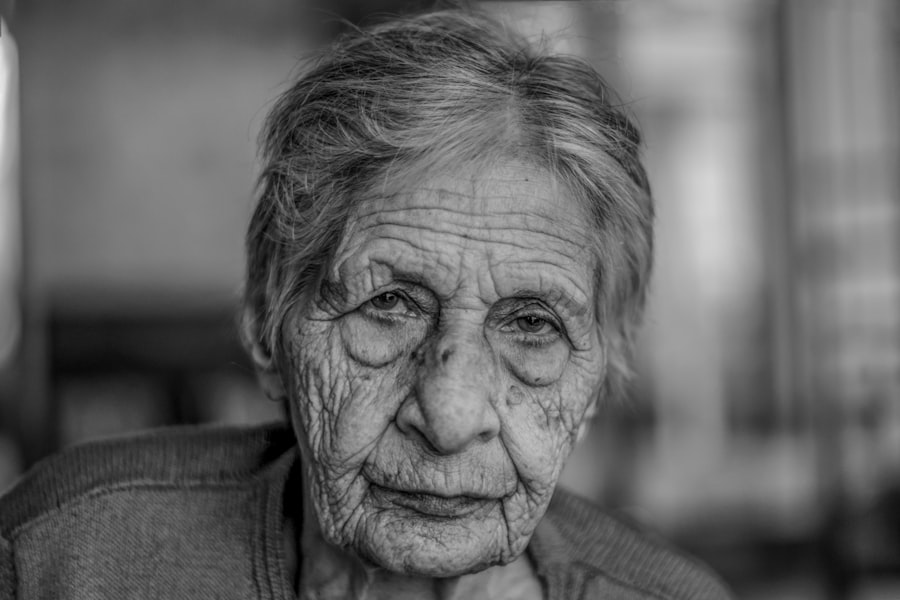
Researchers are actively exploring this connection. They study how aging impacts our cells. This helps them understand cancer development. New funding supports this vital work. The Mark Foundation and Samuel Waxman Cancer Research Foundation are investing. They announced $2.5 million in March 2026. This funds five collaborative research grants. This is part of a larger $15 million commitment. The goal is to understand aging and cancer better.
Immune System and Aging
Our immune system plays a crucial role. It identifies and destroys abnormal cells. Over time, the immune system can weaken. This age-dependent immune dysfunction can allow cancer to grow. The Cancer Research Institute co-funds projects here. They aim to prevent this dysfunction.
How Aging Alters Tumors
Aging also changes how tumors behave. Scientists discovered this in lung cancer. Aging makes lung tumors more likely to spread. This means cancer can become more aggressive. Understanding these changes is key.
Cell Biology and Treatment
Younger and older patients respond differently to cancer treatment. Researchers are making progress here. They want to understand these differences. Cell biology can help improve treatment responses. This is beneficial across all age groups.
New Technologies Illuminate the Path
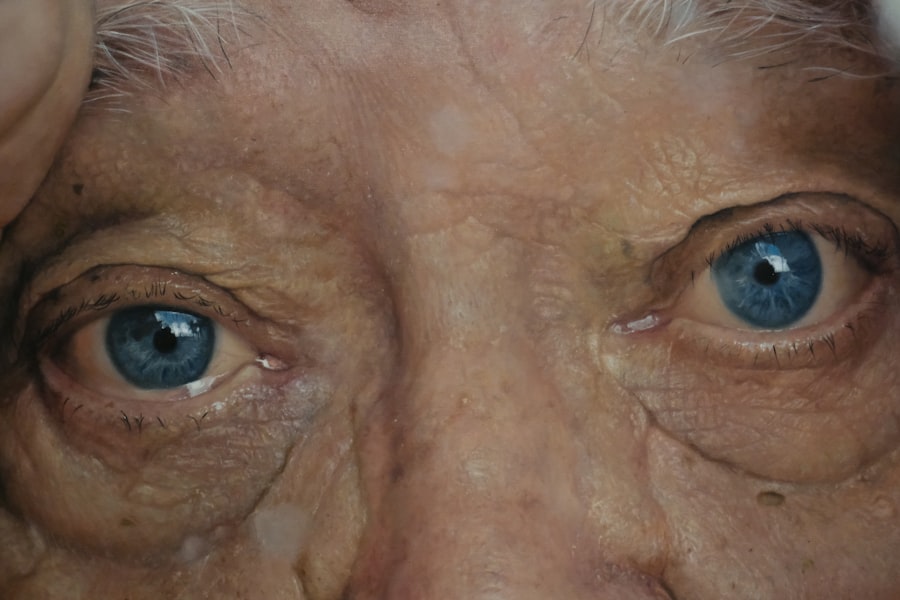
Scientists now have powerful new tools. These tools allow them to see very small details. Spatial technologies are a key example. They map cells in human tissue with great detail.
Mapping Cellular Neighborhoods
These technologies reveal how cells interact. They show how neighborhoods of cells function. This is important for both health and disease. It’s especially relevant to aging. AI applications help analyze this data. They uncover hidden patterns.
Understanding Tissue at a Micro-Level
By seeing cells and their surroundings, researchers learn more. They can pinpoint subtle changes. This includes changes caused by aging. It also shows how these changes affect cancer.
Precision in Research
This detailed mapping offers unprecedented precision. It moves beyond just looking at single cells. It considers the whole cellular environment. This provides a more complete picture.
Shifting Research Focus: Prevention and Early Detection
| Age Group | Cancer Incidence | Cancer Mortality |
|---|---|---|
| 50-59 | 15% | 8% |
| 60-69 | 25% | 15% |
| 70-79 | 35% | 25% |
| 80+ | 45% | 35% |
The way cancer research is done is evolving. Scientists are looking for ways to prevent cancer. They are also focusing on finding it early. This is a significant shift.
Beyond Treatment
Researchers are moving away from solely waiting for disease. They now emphasize proactive strategies. Understanding aging biology informs these efforts. This proactive approach is a major advancement.
Early Detection Strategies
By knowing how aging affects cells, they can identify risks. This allows for earlier detection. Finding cancer earlier often leads to better outcomes. It means treatments can begin sooner.
Prevention Through Lifestyle
While research is crucial, lifestyle plays a role too. Adopting healthy habits can support your body’s defenses. This can be beneficial at any age.
Actionable Tips for a Healthier Life
While medical advice is personal, general healthy practices are widely supported. These tips can help support your body’s resilience as you age. They are based on evidence from public health organizations.
Nourish Your Body Well
Eating a balanced diet is essential. Focus on fruits and vegetables. They contain vitamins and antioxidants. These can help protect your cells. Good hydration is also important.
Stay Physically Active
Regular exercise benefits many body systems. It can boost your immune function. It helps maintain muscle mass. Aim for a mix of aerobic and strength training. Consult a doctor before starting a new program.
Prioritize Sleep
Quality sleep is vital for cell repair. It allows your body to rest and rejuvenate. Aim for 7-9 hours of sleep each night. Establish a consistent sleep schedule.
Manage Stress Effectively
Chronic stress can negatively impact your health. Find healthy ways to cope with stress. Activities like mindfulness or meditation can help. Spending time in nature is also beneficial.
Regular Health Check-ups
See your doctor for regular check-ups. They can monitor your health. Early detection of potential issues is important. Discuss any concerns with your healthcare provider.
Looking Ahead: A Future of Understanding
The link between aging and cancer presents challenges. However, it also offers incredible opportunities. Research continues to uncover new insights. This knowledge empowers us. It guides us toward better health. With continued scientific progress and personal focus on wellness, we can navigate this complex relationship with greater confidence and resilience.
FAQs
What is the relationship between cancer and aging?
As people age, their risk of developing cancer increases. This is due to a combination of factors, including accumulated genetic mutations, decreased immune function, and prolonged exposure to carcinogens.
What are the most common types of cancer in older adults?
The most common types of cancer in older adults include breast cancer, prostate cancer, lung cancer, colorectal cancer, and skin cancer. These types of cancer are more prevalent in older age due to various factors such as hormonal changes, lifestyle choices, and environmental exposures.
How does aging affect cancer treatment and prognosis?
Aging can impact cancer treatment and prognosis in several ways. Older adults may be more susceptible to treatment side effects due to age-related changes in organ function. Additionally, older adults may have other health conditions that can complicate cancer treatment. However, with advancements in medical care, many older adults can still undergo successful cancer treatment.
What are some preventive measures for cancer in older adults?
Preventive measures for cancer in older adults include maintaining a healthy lifestyle, such as eating a balanced diet, exercising regularly, avoiding tobacco and excessive alcohol consumption, and protecting the skin from sun exposure. Additionally, older adults should undergo regular cancer screenings as recommended by their healthcare provider.
How can older adults cope with a cancer diagnosis?
Coping with a cancer diagnosis in older adults can be challenging, but there are resources available to help. Support groups, counseling, and palliative care services can provide emotional and physical support for older adults facing cancer. It’s important for older adults to communicate openly with their healthcare team and loved ones about their needs and concerns.