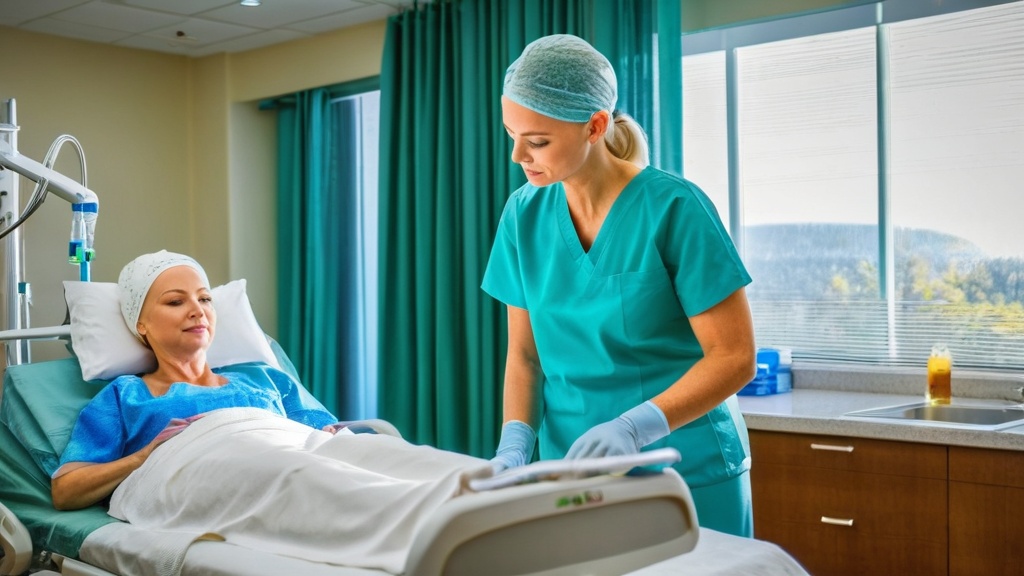

Cancer: a word that can bring fear and uncertainty. Understanding chronic cancer is crucial for patients and their families. This article explores causes, treatments, and current research, offering clarity and hope.
Chronic cancer typically means advanced or recurring cancer. It requires ongoing management rather than a complete cure. This differs from acute cancers, which often have a more definitive treatment path. Living with chronic cancer means adapting life to fit treatment.
Many chronic cancers are not curable. However, they are often treatable. Treatment aims to control the disease and improve quality of life. Think of it like managing a chronic condition such as diabetes. Regular monitoring and interventions are essential.
Defining Chronic vs. Acute Cancer
Acute cancer often involves rapid progression. It may respond well to aggressive, short-term treatment. Chronic cancer progresses more slowly or recurs after initial treatment. It demands long-term care strategies.
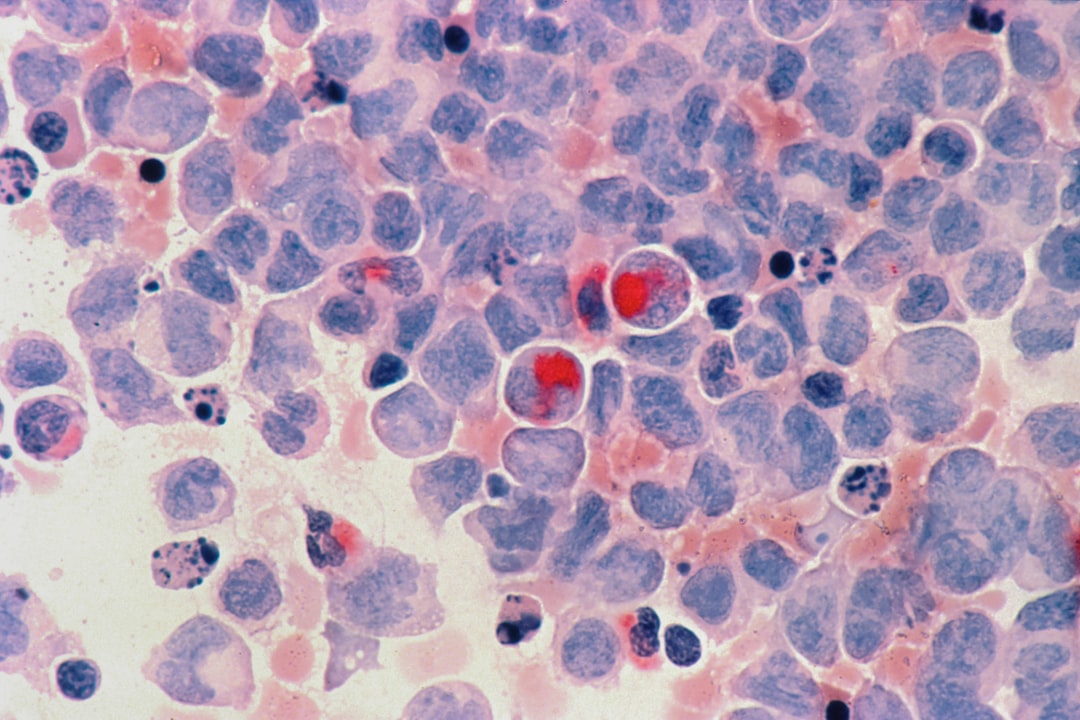
For example, some leukemias can be acute. They require immediate, intensive chemotherapy. Chronic lymphocytic leukemia (CLL) often progresses slowly. Patients might live for many years with managed symptoms.
Common Causes and Risk Factors
Numerous factors contribute to cancer development. Some are genetic, others environmental. Understanding these risks can help with prevention. It also informs treatment approaches.
Lifestyle choices play a significant role. Smoking, poor diet, and lack of exercise increase risk. Environmental exposures, like certain chemicals, also contribute. Genetic predispositions mean some families have higher risks.
Genetic Predisposition
Certain gene mutations increase cancer risk. These can pass down through families. For instance, BRCA gene mutations raise breast and ovarian cancer risk. Genetic counseling can identify these risks.
Knowing your family history is important. If many relatives had cancer, speak with your doctor. They can assess your personal risk. Early detection strategies might then be recommended.
Environmental Factors
Exposure to carcinogens can cause cellular damage. Asbestos and radon gas are examples. Prolonged sun exposure increases skin cancer risk. Avoiding these exposures reduces risk.
Workplace safety measures protect against some carcinogens. Personal protective equipment helps. Public health initiatives aim to limit widespread exposure. These efforts save lives.
Lifestyle Choices
Diet and activity levels impact cancer risk. A diet high in processed foods and red meat increases risk. Obesity links to several cancer types. Eating fruits, vegetables, and whole grains helps.
Regular physical activity is protective. Aim for at least 30 minutes most days. Limiting alcohol consumption also reduces risk. These choices boost overall health, not just cancer prevention.
Advances in Cancer Treatment
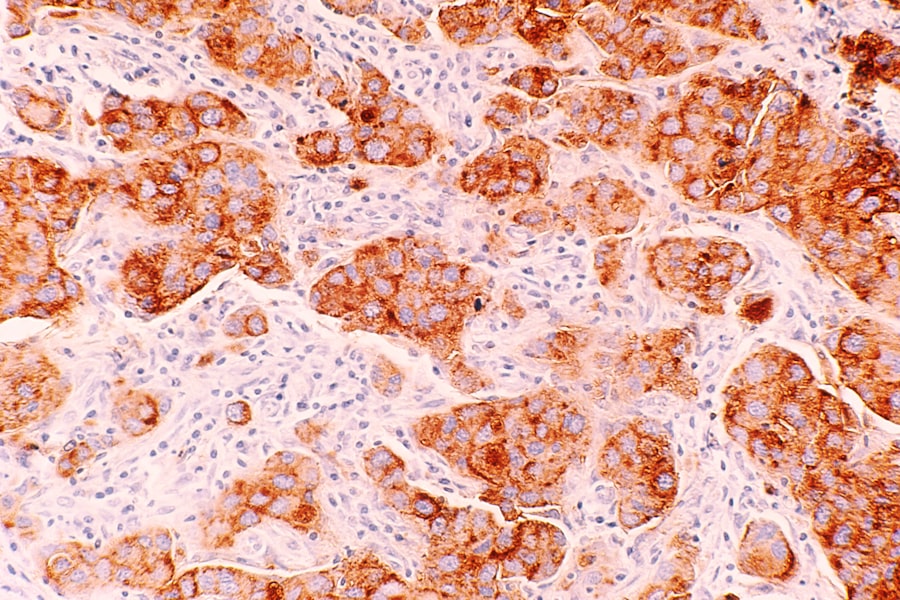
Cancer treatment evolves rapidly. New therapies offer more targeted and effective approaches. Research continually uncovers better ways to fight chronic cancer. These advancements bring hope to many.
Targeted therapies attack specific cancer cells. Immunotherapies use the body’s immune system. These methods often have fewer side effects than traditional chemotherapy. They also improve outcomes.
Targeted Therapies
Targeted drugs block specific pathways in cancer cells. This prevents growth and division. For instance, KRAS-G12D lung cancer is now targeted. A Phase 1 trial with zoldonrasib showed significant tumor shrinkage. This was observed in pretreated non-small cell lung cancer patients.
Another example is ulixertinib for histiocytosis. This rare blood cancer responded well to treatment. A Phase 2 trial is currently open. Results published in Cancer Cell show its effectiveness.
Immunotherapy Breakthroughs
Immunotherapy harnesses the immune system. It trains the body to recognize and destroy cancer cells. This approach has transformed chronic cancer treatment. It offers durable responses for some patients.
For advanced colorectal cancer (MSI-H/dMMR), ipilimumab plus nivolumab is now an FDA-approved initial treatment. This combination therapy boosts immune response. It helps the body fight the cancer effectively. This combination represents a significant step forward.
Personalized Medicine and Vaccines
Personalized medicine tailors treatment to the individual. This involves genetic testing of tumors. It can identify specific mutations for targeted therapy. This approach maximizes treatment effectiveness.
Personalized vaccines represent a new frontier. They are designed to fit a patient’s unique cancer. Small trials for pancreatic and kidney cancers show promise. These vaccines prevented recurrence after surgery. This is an exciting development in cancer prevention.
Early-stage pancreatic cancer research highlights this. Mayo Clinic studies show chemotherapy before surgery improves survival. This demonstrates an evolving understanding of optimal treatment timing. Personalized vaccines for lung cancer are also being researched. Mayo Clinic is targeting HER2/MUC1 to prevent recurrence.
Emerging Treatment Options
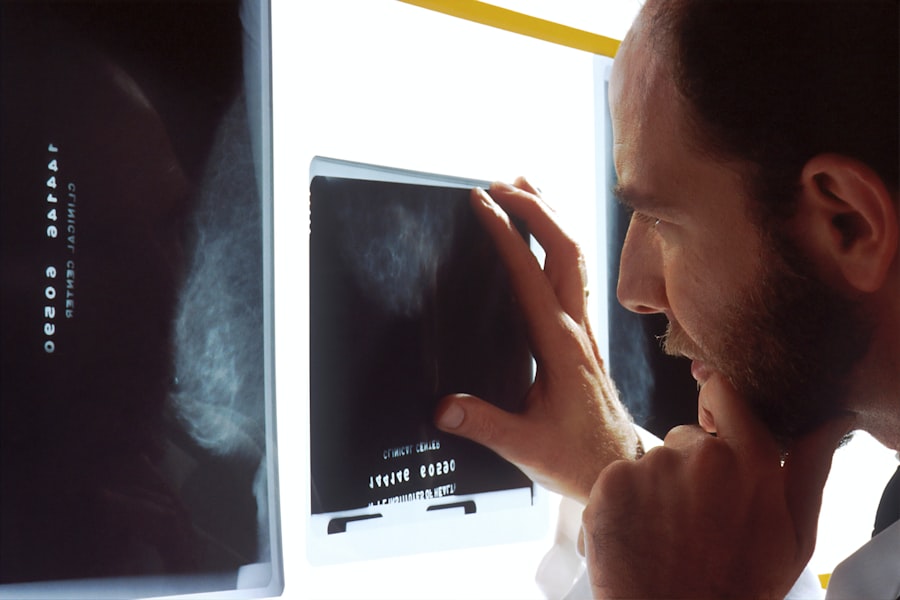
The field of oncology constantly generates new options. Researchers explore innovative ways to combat chronic cancers. These promising treatments offer renewed hope for challenging cases. Many are in clinical trials.
Experimental therapies often target unique cancer vulnerabilities. They aim for more precise and less toxic approaches. Patients with chronic cancer may benefit from these cutting-edge trials. Discuss these options with your doctor.
Novel Drug Combinations
Combining different drugs can enhance effectiveness. For example, intermediate-stage liver cancer shows promise. Two trials extended progression-free survival with TACE plus immunotherapy plus an angiogenesis inhibitor. This three-pronged attack provides better control.
Such combinations leverage different mechanisms. They can overcome resistance. This strategy improves outcomes for complex cancers. It offers broader attack avenues.
Gene Therapy and CRISPR
Gene therapy aims to correct faulty genes. CRISPR technology allows precise gene editing. These tools have potential for future cancer treatment. They could address genetic drivers of cancer.
While still largely experimental, this field progresses quickly. It holds the promise of fundamentally altering cancer’s course. Scientists are working to make these therapies safe and effective. It’s a rapidly evolving area of research.
Clinical Trials and Their Importance
Clinical trials test new treatments. They are crucial for advancing cancer care. Patients gain access to cutting-edge therapies. Researchers gather vital data.
For instance, the Phase 1 vaccine ELI-002 2P for KRAS-mutant pancreatic and colorectal cancer extended recurrence-free survival. This off-the-shelf design showed promising results. Nature Medicine updated findings on August 11. Clinical trials accelerate these discoveries.
NRG1-fusion pancreatic and lung cancers have a new option. The FDA approved zenocutuzumab (Bizengri). This drug shrank tumors in one-third of patients. This represents a significant new therapy.
Living with Chronic Cancer
| Chronic Cancer Metrics | Statistics |
|---|---|
| Prevalence | Varies by cancer type |
| Mortality Rate | Depends on cancer stage and treatment |
| Survival Rate | Also varies by cancer type and stage |
| Treatment Options | Surgery, chemotherapy, radiation therapy, immunotherapy, targeted therapy, etc. |
Living with chronic cancer involves more than medical treatment. It requires managing symptoms. It also means coping emotionally. Support systems are vital.
Quality of life is a primary focus. Treatments aim to minimize side effects. Patients often find strength in communities. Connecting with others facing similar challenges helps.
Managing Side Effects
Cancer treatments can cause diverse side effects. Fatigue, nausea, and pain are common. Doctors develop strategies to manage these. Palliative care focuses on symptom relief.
Open communication with your care team is essential. Report any new or worsening symptoms. Adjusting medications or adding supportive therapies can help. Your comfort is a priority.
Emotional and Psychological Support
A cancer diagnosis impacts mental health. Anxiety, depression, and fear are normal reactions. Counseling, support groups, and mindfulness practices can assist. Do not hesitate to seek professional help.
Family and friends offer valuable support. Sharing your feelings helps them understand. Joining a cancer support group connects you with others. You are not alone in this journey.
Nutrition and Lifestyle Adjustments
Maintaining good nutrition is crucial. Cancer and treatments can affect appetite. A registered dietitian can provide guidance. They help develop a plan to meet your needs.
Gentle exercise, if tolerated, can boost energy. It also improves mood. Consult your doctor about appropriate activity levels. Listen to your body and rest when needed.
For chronic lymphocytic leukemia (CLL), targeted therapies and trials at Mayo Clinic enhance long-term quality of life. This shows the importance of integrating new treatments with comprehensive care. The focus is on living well with the disease.
The Future of Chronic Cancer Care
The outlook for chronic cancer patients improves constantly. Research continues at a rapid pace. New discoveries lead to better treatments. The goal is to transform cancer into a manageable chronic condition.
Precision medicine will become more widespread. Immunotherapies will grow more sophisticated. Early detection methods will be refined. These advancements offer a hopeful future.
Personalized Treatment Plans
Future treatments will be even more tailored. Genetic profiling will guide treatment decisions. This ensures the best therapy for each unique tumor. The days of one-size-fits-all treatment are ending.
This individual approach minimizes ineffective treatments. It reduces unnecessary side effects. Patients will receive highly specific and effective care. This personalized strategy maximizes outcomes.
Enhanced Quality of Life
Future cancer care will emphasize quality of life. Treatments will be less invasive. Side effects will be better managed. Patients will maintain a higher level of function.
The focus will shift further towards living well. Chronic cancer may become less disruptive. Patients can continue to pursue their passions. This paradigm shift offers great promise.
Ongoing Research and Collaboration
Collaboration among researchers speeds discovery. Sharing data and insights drives progress. Global efforts accelerate finding new cures and treatments. Continued investment in research is vital.
New understanding of cancer biology emerges constantly. This fuels the development of novel therapies. The commitment to eradicating cancer remains strong. Scientists and doctors work tirelessly towards this goal.
FAQs
What is chronic cancer?
Chronic cancer refers to a type of cancer that progresses slowly over a long period of time, often years. It may not respond well to treatment and can have a prolonged course, leading to ongoing symptoms and complications.
What are the common types of chronic cancer?
Some common types of chronic cancer include chronic lymphocytic leukemia (CLL), chronic myeloid leukemia (CML), and certain types of slow-growing lymphomas. These cancers tend to progress slowly and may not require immediate aggressive treatment.
What are the symptoms of chronic cancer?
Symptoms of chronic cancer can vary depending on the type and location of the cancer, but may include fatigue, unexplained weight loss, persistent pain, swelling, and changes in bowel or bladder habits. It’s important to consult a healthcare professional if experiencing any concerning symptoms.
How is chronic cancer diagnosed?
Diagnosis of chronic cancer typically involves a combination of physical examination, medical history review, imaging tests (such as CT scans or MRIs), blood tests, and sometimes a biopsy to confirm the presence of cancer cells.
What are the treatment options for chronic cancer?
Treatment for chronic cancer may include watchful waiting, targeted therapy, chemotherapy, radiation therapy, and in some cases, stem cell transplantation. The specific treatment plan will depend on the type and stage of the cancer, as well as the individual’s overall health and preferences.