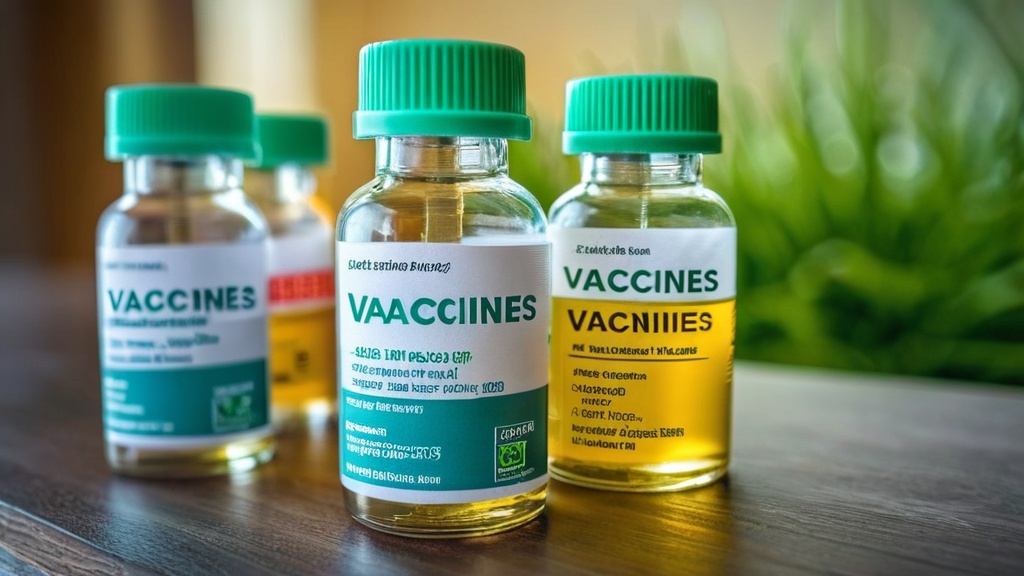
Imagine a world free from fear of devastating diseases. Vaccines help make that world possible. They train your body to fight off serious illnesses. This protects you and your community.
Vaccines prepare your immune system. They introduce a weakened or inactive form of a germ. Your body learns to recognize and fight it. This creates protective antibodies.
Understanding Antibodies
Antibodies are special proteins. They patrol your bloodstream. If the real germ appears, antibodies attack it. This prevents you from getting sick. Think of them as tiny defense warriors.
Memory Cells: Long-Term Protection
Some immune cells remember the germ. These are called memory cells. They provide long-lasting protection. Your body can react quickly to future infections. This ensures ongoing immunity.
Different Types of Vaccines
Vaccines come in different forms. Live-attenuated vaccines use weakened germs. Inactivated vaccines use killed germs. mRNA vaccines teach your cells to make a protein. All types aim for the same goal: protection. (Centers for Disease Control and Prevention).
The Power of Herd Immunity: Protecting Everyone
Vaccines protect more than just you. They create “herd immunity.” This means a large part of the community is immune. It makes it harder for diseases to spread.
Protecting the Vulnerable
Some people cannot get vaccinated. This includes infants or those with certain medical conditions. Herd immunity shields them. They rely on others’ immunity for safety. It’s like building a protective bubble.
Slowing Disease Transmission
When many people are immune, diseases hit roadblocks. They cannot easily find new hosts. This slows or stops outbreaks. Think of it as a firebreak for germs.
Case Study: Polio Eradication Efforts
Polio was once a widespread threat. Vaccines effectively controlled it (World Health Organization). Global vaccination campaigns show herd immunity’s success. It nearly eliminated this paralyzing disease.
Vaccines and Public Health: A Historical Perspective
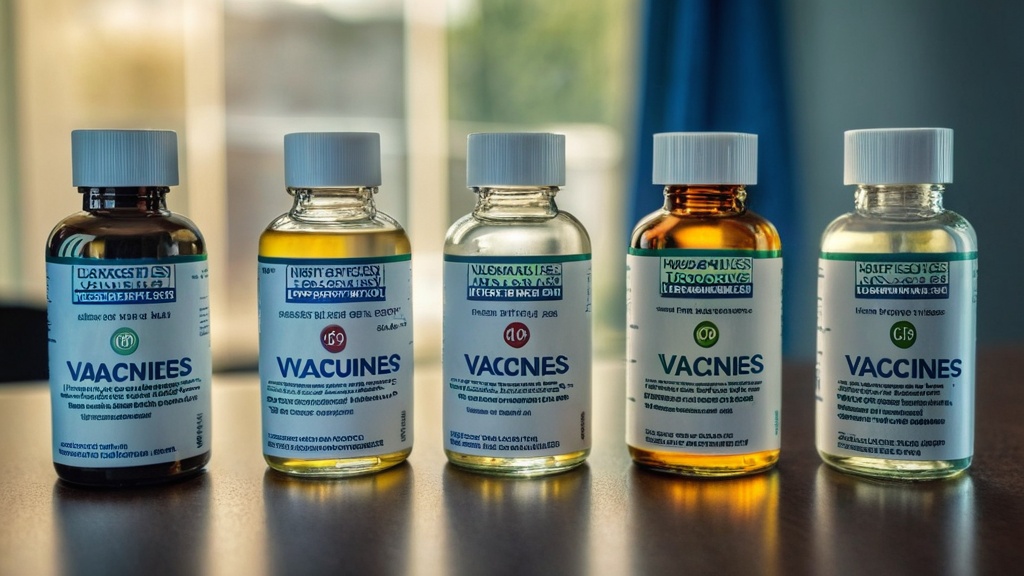
Vaccines have profoundly impacted public health. They transformed our lives. Many once-common diseases are now rare. This is a testament to their success.
Smallpox: A Disease Vanquished
Smallpox caused widespread death and disfigurement. The smallpox vaccine was revolutionary. It led to the global eradication of this deadly disease (World Health Organization). This stands as a major public health achievement.
Measles: A Preventable Childhood Illness
Measles was once a common childhood ailment. It caused serious complications. The measles vaccine dramatically reduced cases. It prevented countless hospitalizations and deaths. (Centers for Disease Control and Prevention).
The Ongoing Fight Against Infectious Diseases
New vaccines continue to emerge. They combat diseases like HPV and Meningitis. These vaccines prevent long-term health issues. They improve life expectancy and quality.
Safety and Efficacy: Understanding Vaccine Development
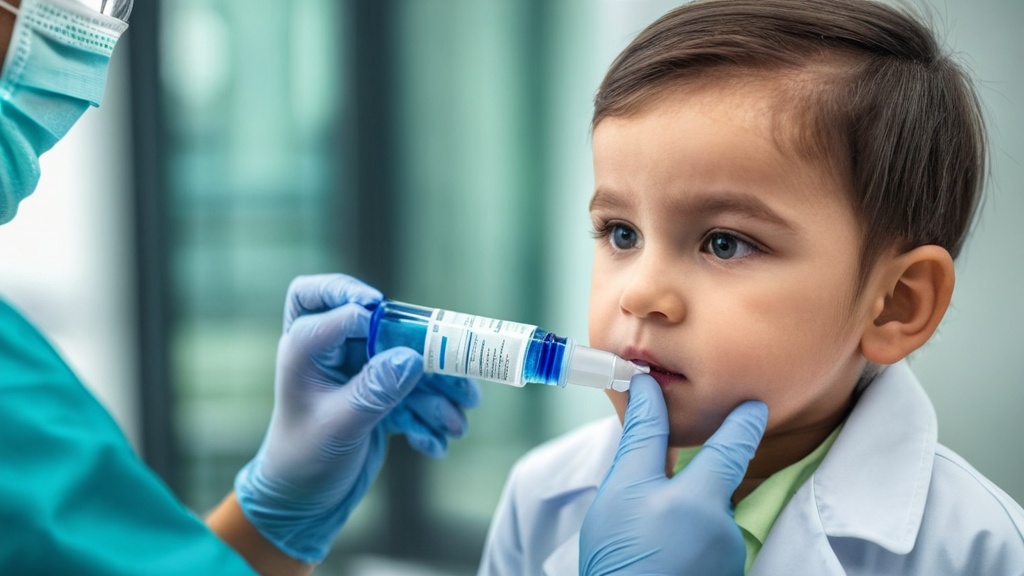
Vaccines undergo rigorous testing. Scientists ensure they are safe and effective. This process takes many years. It involves multiple phases of clinical trials.
Clinical Trials: A Multi-Phase Approach
Phase 1 trials involve small groups. They check for safety and dosage. Phase 2 trials involve more people. They assess effectiveness and side effects. Phase 3 trials include thousands. They confirm safety and efficacy. (U.S. Food & Drug Administration).
Monitoring After Approval
Safety monitoring continues after approval. Public health agencies track vaccine outcomes. This ongoing surveillance detects any rare side effects. Your safety is constantly prioritized.
Addressing Common Concerns
Some people have questions about vaccines. Reputable sources offer accurate information. Always consult health organizations or your doctor. They provide evidence-based answers.
Debunking Myths: Separating Fact from Fiction
| Vaccine Name | Efficacy | Doses | Storage |
|---|---|---|---|
| Pfizer-BioNTech | 95% | 2 | Ultra-cold |
| Moderna | 94.1% | 2 | Ultra-cold |
| Johnson & Johnson | 66.3% | 1 | Refrigerator |
Misinformation about vaccines exists. It’s important to rely on science. Many myths have been disproven. Understanding the facts empowers you.
Vaccines and Autism: No Scientific Link
A widely debunked study linked vaccines to autism. Extensive scientific research disproved this claim. Major health organizations confirm no connection (Centers for Disease Control and Prevention). This myth causes undue concern.
Overwhelming the Immune System: A Misconception
Babies encounter many germs daily. Vaccines introduce a small number of antigens. A baby’s immune system handles this easily. It’s a tiny fraction of their daily exposure.
Natural Immunity vs. Vaccine Immunity
Natural infection can provide immunity. However, getting sick carries risks. Vaccines provide immunity without the disease’s dangers. The benefits of vaccination outweigh the risks of infection.
Actionable Tips: Making Informed Choices
Making informed decisions about vaccines is crucial. Talk to your healthcare provider. Stay updated on recommended schedules. Protect yourself and your community.
Follow Recommended Schedules
Each vaccine has a recommended schedule. Your doctor can provide this information. Adhering to the schedule provides optimal protection. This ensures timely immunity. (Centers for Disease Control and Prevention).
Consult Your Healthcare Provider
Your doctor is your best resource. Ask questions about specific vaccines. Discuss your health history or concerns. They can offer personalized advice.
Stay Informed Through Reliable Sources
Rely on reputable health organizations. Examples include the CDC or WHO. Avoid unverified social media claims. Accurate information keeps you safe.
Encourage Others to Get Vaccinated
Share accurate vaccine information. Support friends and family in their choices. Encourage vaccination within your community. Your actions contribute to public health.
Vaccines are a cornerstone of modern medicine. They protect us from serious diseases. They safeguard our communities. Make informed choices for a healthier future.
FAQs
What are vaccines?
Vaccines are biological preparations that provide active acquired immunity to a particular disease. They typically contain a weakened or killed form of the disease-causing microorganism, or parts of the microorganism, which stimulates the body’s immune system to recognize and fight the microorganism in the future.
How do vaccines work?
Vaccines work by stimulating the body’s immune system to produce an immune response, including the production of antibodies. This prepares the immune system to recognize and fight the specific disease-causing microorganism if the person is exposed to it in the future, thus preventing or reducing the severity of the disease.
Are vaccines safe?
Vaccines are rigorously tested for safety before they are approved for use. The benefits of vaccination in preventing serious diseases far outweigh the risks of potential side effects. Serious side effects from vaccines are extremely rare.
What are the benefits of vaccines?
Vaccines have been instrumental in reducing and eradicating many infectious diseases, saving millions of lives worldwide. They also contribute to the overall health and well-being of communities by preventing the spread of contagious diseases.
Why is it important to get vaccinated?
Vaccination is important for individual protection against preventable diseases and for the overall public health. It helps to create herd immunity, which provides indirect protection to those who cannot be vaccinated, such as individuals with weakened immune systems.