
Imagine your body as a fortress. Your immune system stands guard, fighting off invaders. But what if a clever enemy, like cancer, learned to hide from your defenses? Immunotherapy teaches your immune system to recognize and attack these hidden foes.
Our bodies have a remarkable defense system. It’s called the immune system. It patrols constantly for threats. Cancer cells are abnormal cells. They can sometimes evade this patrol.
How Cancer Hides
Cancer cells are tricky. They may have changes. These changes make them invisible. They might look like normal cells. This allows them to grow unchecked.
Your Immune System’s Role
Your immune system usually catches these cells. It uses special cells and signals. These identify and destroy them. But cancer can develop ways to block this. It can trick the immune cells.
What is Cancer Immunotherapy?
Immunotherapy is a treatment. It uses your body’s own immune system. The goal is to fight cancer. It’s like giving your body’s soldiers new weapons. They learn to recognize and destroy cancer.
Harnessing Natural Abilities
This approach is different from chemotherapy. Chemotherapy directly kills cancer cells. Immunotherapy empowers your existing defenses. It helps your immune system do its job better.
Types of Immunotherapy
There are several kinds of immunotherapy. They work in different ways. Some boost the immune system generally. Others target specific cancer weaknesses.
Checkpoint Inhibitors Explained
Your immune system has “brakes.” These are called checkpoint proteins. They prevent overactive immune responses. Cancer cells can hijack these brakes. They use them to turn off immune attacks. Checkpoint inhibitors block these brakes. This releases the immune system’s power.
CAR T-Cell Therapy: A Living Drug
CAR T-cell therapy is highly personalized. Doctors collect your T-cells. These are immune cells. They are then genetically engineered. They get a specific receptor called CAR. This helps them find and kill cancer. Doctors re-infuse these supercharged cells.
Cancer Vaccines
Some vaccines aim to prevent cancer. Others are designed to treat it. Therapeutic cancer vaccines present cancer antigens to the immune system. This trains the immune system to attack cancer cells expressing those antigens.
Monoclonal Antibodies: Targeted Missiles
These are lab-made proteins. They mimic antibodies. They can attach to specific targets on cancer cells. This flags cancer cells for destruction. Some can also deliver toxic drugs directly to cancer.
How Immunotherapy Works: The Details
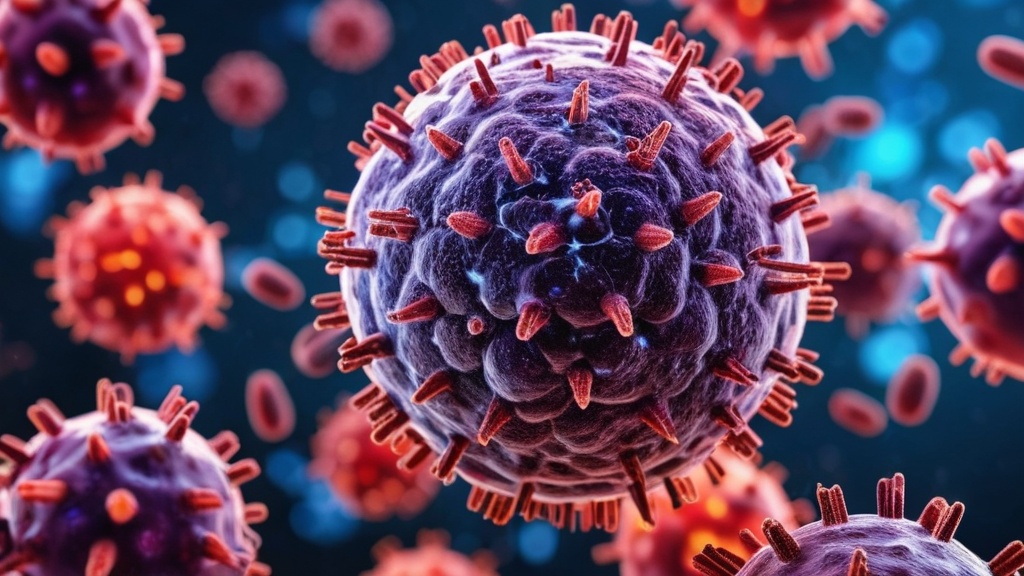
Immunotherapy works by engaging specific parts of your immune system. It aims to overcome cancer’s defenses. This allows your body to fight back effectively.
Training Immune Cells
Some therapies train immune cells. They teach them what to look for. Imagine teaching a guard dog a specific scent. They learn to identify their target precisely.
Boosting Immune Cell Activity
Other treatments simply boost immune cell activity. They remove the brakes on the immune system. This allows a stronger, more sustained attack. It’s like giving your soldiers more energy.
Identifying Cancer’s Weaknesses
Immunotherapy finds cancer’s Achilles’ heel. Cancer cells often have unique markers. Immunotherapy targets these markers. This makes the attack very specific. This minimizes damage to healthy cells.
Success Stories and Promising Results
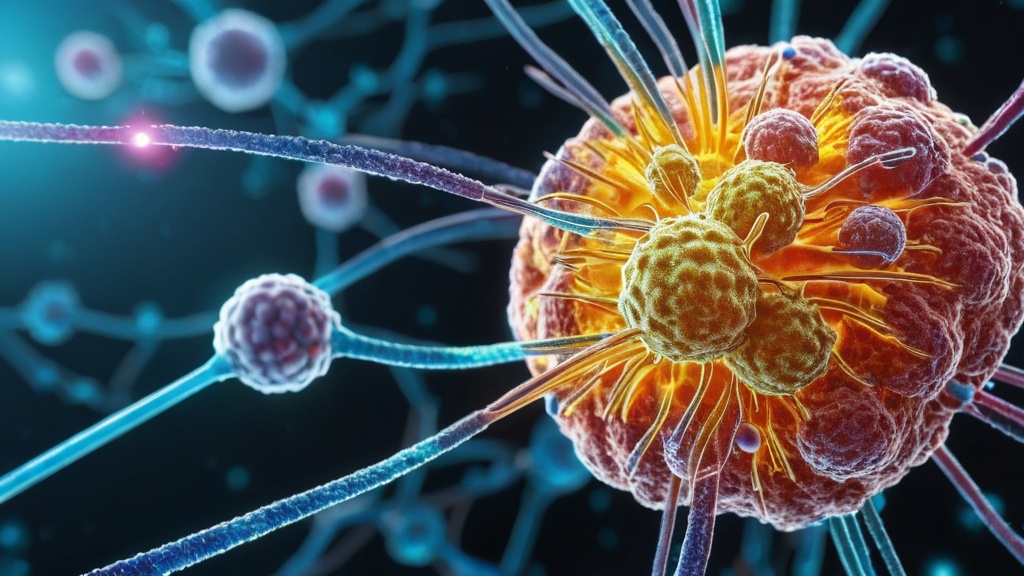
Immunotherapy has transformed outcomes for some cancers. It offers hope where other treatments failed. Research shows remarkable responses.
Melanoma: A Turning Point
Melanoma, a type of skin cancer, has seen big improvements. Checkpoint inhibitors have been very effective. Many patients now have long-term remissions. Before immunotherapy, options were limited.
Lung Cancer Advancements
Lung cancer treatment has also been revolutionized. Immunotherapy can control advanced lung cancer. It has improved survival rates significantly. This provides renewed hope for many.
Other Cancers Showing Promise
Many other cancers are being studied. This includes kidney cancer, bladder cancer, and lymphoma. Researchers are finding new ways to use immunotherapy. It’s becoming a standard treatment for more diseases.
Challenges and Future Directions
| Immunotherapy Metrics | Statistics |
|---|---|
| Success Rate | 60% |
| Side Effects | 20% |
| Survival Rate | 70% |
| Cost | High |
Despite its success, immunotherapy isn’t a cure-all. Challenges remain. Researchers are working to expand its use.
Side Effects to Consider
Like all treatments, immunotherapy has side effects. Because it activates the immune system, it can sometimes attack healthy tissues. These are called “immune-related adverse events.” Doctors manage these carefully.
Overcoming Resistance
Some cancers become resistant to immunotherapy. This means the treatment stops working. Scientists are researching combination therapies. They aim to overcome this resistance.
Expanding to More Cancers
The goal is to make immunotherapy work for all cancers. Researchers are exploring new drug combinations. They are also looking at personalized approaches. This involves tailoring treatment to individual patients.
What You Should Know and Actionable Tips
If you are considering immunotherapy, talk to your doctor. They can provide personalized information. Stay informed about research developments.
Talk to Your Healthcare Team
Your doctor is your best resource. Discuss your specific situation. Understand the potential benefits and risks. Ask questions about the treatment plan.
Support Your Immune System Generally
Maintain a healthy lifestyle. This supports your overall well-being. Eat a balanced diet. Get regular exercise if approved. Prioritize adequate sleep. Manage stress effectively.
Stay Informed and Engaged
Follow reputable sources for cancer news. Organizations like the National Cancer Institute provide reliable information. Patient advocacy groups can also offer support and data.
Understanding Clinical Trials
Clinical trials test new treatments. They are crucial for advancing medicine. Ask your doctor if participating in a trial is an option for you. This could offer access to cutting-edge therapies.
Immunotherapy represents a significant leap forward. It unleashes the body’s own power. This offers new hope. It’s a testament to scientific innovation. The journey of revolutionizing cancer treatment continues.
FAQs
What is immunotherapy?
Immunotherapy is a type of cancer treatment that uses the body’s own immune system to fight cancer. It can also be used to treat other conditions, such as allergies and autoimmune diseases.
How does immunotherapy work?
Immunotherapy works by either stimulating the immune system to attack cancer cells or by giving the immune system components, such as man-made immune system proteins, to help it fight cancer.
What are the side effects of immunotherapy?
Common side effects of immunotherapy can include fatigue, flu-like symptoms, skin reactions, and digestive issues. More serious side effects can occur, such as inflammation of organs and severe allergic reactions.
Who is a candidate for immunotherapy?
Immunotherapy is used to treat a variety of cancers, including melanoma, lung cancer, and kidney cancer. It is often used when other treatments have not been effective or when the cancer has spread.
What are the different types of immunotherapy?
There are several types of immunotherapy, including checkpoint inhibitors, CAR T-cell therapy, and cancer vaccines. Each type works in different ways to help the immune system fight cancer.