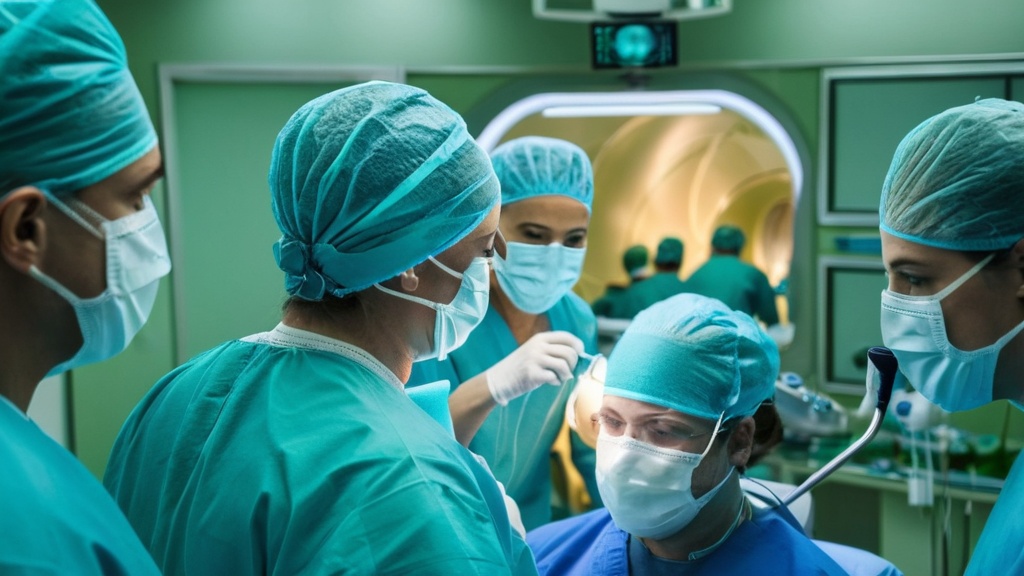
Imagine a world where surgery means tiny incisions and rapid recovery. This world is here, thanks to incredible advancements. Surgeons now perform complex operations with surprising gentleness. You might even be back to your routine in days, not weeks.
Traditional surgery involved large cuts. These left significant scars and required long healing times. Doctors sought less disruptive ways to treat patients. They wanted to reduce pain and speed recovery. This drive led to a revolution in surgical techniques.
Rethinking the Incision
Minimally invasive surgery focuses on small openings. Surgeons use specialized tools. These instruments pass through these minor cuts. This approach minimizes trauma to the body. It changes the surgical experience profoundly.
Early Innovations Pave the Way
Laparoscopy was an early breakthrough. Surgeons used a scope with a camera. They could see inside the abdomen without large incisions. This allowed for procedures like gallbladder removal. It was a major step forward.
Evolution of Instruments
The tools for these surgeries have become very sophisticated. Tiny cameras provide clear, magnified views. Robotic arms offer extreme precision. Scissors, graspers, and cautery devices are all miniaturized. These enable delicate maneuvers within the body.
Robotic Surgery: The Surgeon’s Ally
Robotic systems enhance surgeon capabilities. They do not operate on their own. A surgeon controls robotic arms. This offers greater dexterity and control.
Enhanced Precision and Control
Robotic arms can move with incredible steadiness. They eliminate natural hand tremors. This is crucial for intricate procedures. Surgeons can manipulate tissues with less force. This leads to better outcomes.
Improved 3D Visualization
Many robotic systems provide high-definition 3D vision. This offers a true sense of depth. It is like operating with enhanced eyesight. Surgeons see critical structures clearly. This reduces the risk of errors.
Benefits for Patients and Surgeons
Patients experience less pain and blood loss. They often have shorter hospital stays. Surgeons benefit from reduced fatigue. They can perform complex surgeries more comfortably. The learning curve can be steep, but rewards are significant.
Endoscopic Techniques: Peering Inside
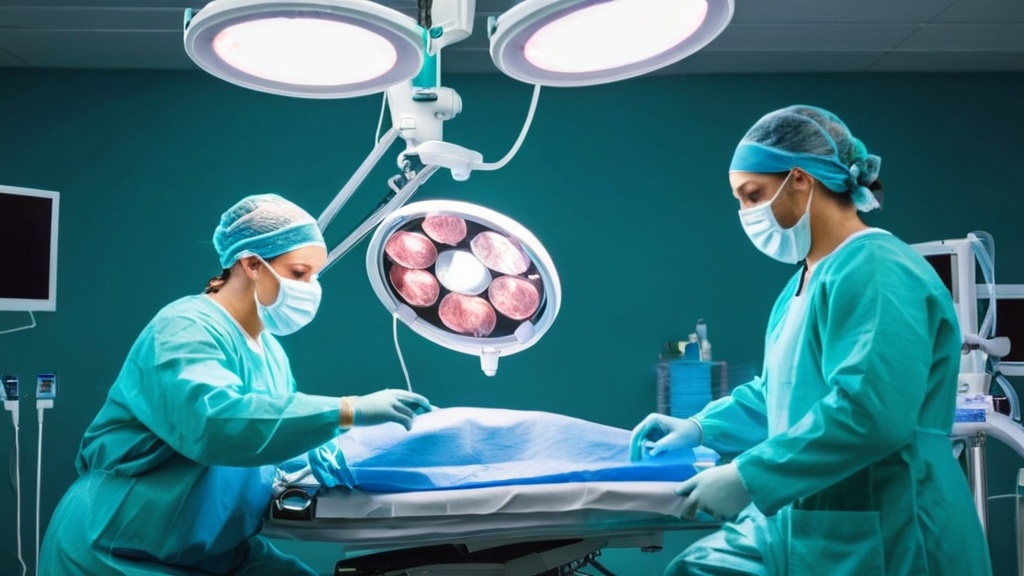
Endoscopy allows internal visualization and intervention. A thin, flexible tube carries a camera. This tube is called an endoscope. It goes into the body through natural openings.
Upper and Lower Endoscopies
Gastroscopy examines the esophagus and stomach. Colonoscopy checks the large intestine. These are common diagnostic tools. They also allow for biopsies. Small polyps can be removed during these procedures.
Bronchoscopy and Cystoscopy
Bronchoscopy looks into the lungs and airways. Cystoscopy visualizes the bladder. These flexible instruments are vital for diagnosis. They can also treat certain conditions internally.
Natural Orifice Transluminal Endoscopic Surgery (NOTES)
NOTES takes minimally invasive surgery further. It uses natural openings for access. The mouth, anus, or vagina can be entry points. This eliminates external scars entirely. It is still an evolving field.
Transcatheter Interventions: Navigating Blood Vessels
Transcatheter procedures use thin tubes called catheters. These travel through blood vessels. They reach specific areas of the body. Many heart conditions are treated this way.
Transcatheter Aortic Valve Replacement (TAVR)
This procedure replaces a faulty aortic valve. A new valve travels on a catheter. It is delivered to the heart. It expands to take the place of the old valve. This avoids open-heart surgery for many patients.
Angioplasty and Stenting
These treatments open blocked arteries. A balloon inflates within the vessel. This widens the artery. A small mesh tube, a stent, keeps it open. This restores blood flow.
Embolization Techniques
Embolization blocks unwanted blood flow. It is used for tumors or bleeding. Tiny particles or coils plug the vessels. This starves a tumor or stops bleeding.
Future Directions and Innovations
| Procedure | Success Rate | Complication Rate |
|---|---|---|
| Appendectomy | 95% | 5% |
| Hernia Repair | 98% | 3% |
| Gallbladder Removal | 90% | 7% |
The field of minimally invasive surgery continues to advance rapidly. New technologies promise even greater precision. Patient care will continue to improve.
Artificial Intelligence in Surgery
AI can assist surgeons in real-time. It can analyze images and predict outcomes. AI might guide surgical instruments. This integration promises enhanced safety.
Augmented Reality Overlays
AR can superimpose imaging data onto a surgeon’s view. This provides critical anatomical information. Surgeons see virtual maps of the surgical field. This aids navigation and precision.
Novel Energy Devices
New tools use different energy sources. Ultrasonic scalpels cut and coagulate tissue. Plasma devices offer precise ablation. These allow for gentler tissue manipulation.
Wearable Technology and Remote Monitoring
Post-surgery, patients can be monitored remotely. Wearable devices track vital signs. This allows for early detection of problems. It can speed up recovery at home.
The Patient Experience Transformed
These advancements mean a different surgical journey. Pain is lessened. Recovery is faster. Scars are smaller, or nonexistent. Patients return to their lives sooner.
Reduced Hospital Stays and Costs
Shorter hospital stays reduce patient burden. They can also lower healthcare costs. The overall impact on a patient’s life is minimized.
Improved Quality of Life
Faster recovery means less time spent recovering. Patients can resume work and hobbies quicker. This significantly improves their overall quality of life.
Greater Accessibility to Treatment
Minimally invasive options can make complex treatments more accessible. Not all patients are candidates for traditional surgery. These techniques open up new possibilities for them.
Conclusion: A Gentler Future for Medicine
Minimally invasive surgery is not just a trend. It represents a fundamental shift in medical practice. It prioritizes patient well-being and faster healing. The continuous innovation in this field promises a gentler, more effective future for healthcare. You can ask your doctor about these options. They can explain what might be right for you.
FAQs
What is surgery?
Surgery is a medical procedure that involves making incisions in the body to diagnose, treat, or prevent a disease or injury. It can be performed for various reasons, such as removing a tumor, repairing a broken bone, or transplanting an organ.
What are the different types of surgery?
There are several types of surgery, including elective surgery (planned in advance), emergency surgery (performed in response to a medical emergency), minimally invasive surgery (using small incisions and specialized tools), and open surgery (involving larger incisions).
What are the risks associated with surgery?
While surgery can be life-saving and beneficial, it also carries certain risks, such as infection, bleeding, adverse reactions to anesthesia, blood clots, and complications related to the specific procedure being performed.
How should I prepare for surgery?
Preparing for surgery typically involves following pre-operative instructions provided by the surgeon, such as fasting before the procedure, stopping certain medications, and arranging for transportation to and from the hospital or surgical center.
What is the recovery process after surgery?
The recovery process after surgery varies depending on the type of procedure and the individual’s overall health. It often involves post-operative care, pain management, physical therapy, and follow-up appointments with the surgeon to monitor healing and address any complications.