Recovering from cancer is a monumental journey, and what you eat plays a vital role in your path forward. Food becomes more than just fuel; it’s a powerful tool for healing, strength, and preventing recurrence. Let’s explore how smart food choices can empower your recovery and promote long-term wellness.
The Power of Your Plate: Why Nutrition Matters Post-Cancer
Good nutrition significantly impacts your health after cancer. It helps your body repair and rebuild. Proper eating can also reduce treatment side effects. It’s a key step in preventing cancer recurrence.
Studies show that many cancer survivors struggle with diet goals. They particularly miss targets for fruits and vegetables. Yet, these foods are strongly linked to longer survival. Making small, consistent changes can yield big benefits. Consider adding an extra serving of berries to your breakfast. Or, swap your usual snack for a handful of baby carrots.
Fueling Your Body with Whole Foods
Focusing on whole, unprocessed foods is crucial. These foods provide essential vitamins and minerals. They also offer fiber and beneficial plant compounds. Whole foods help your body function optimally.
Embracing a Plant-Focused Approach
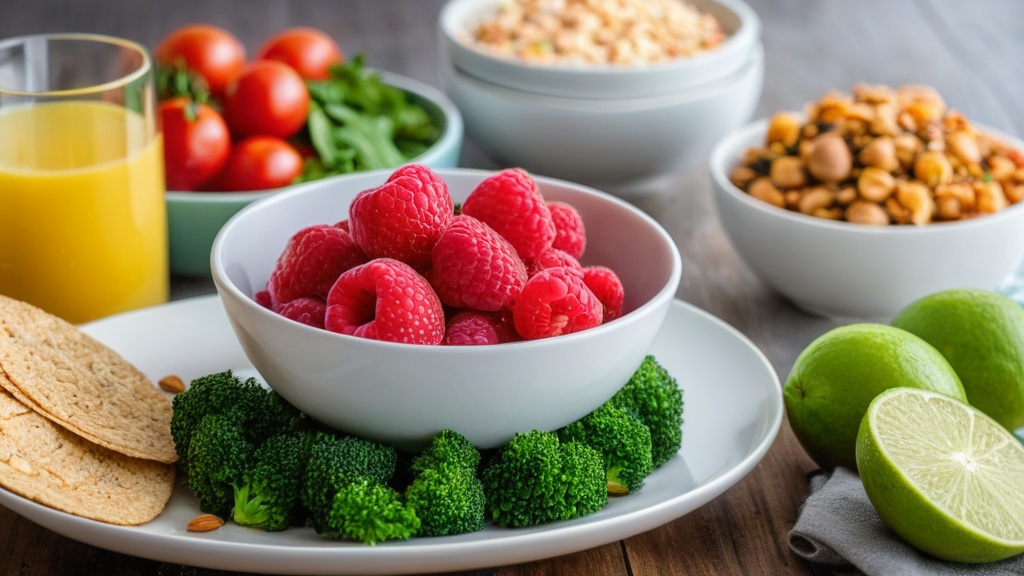
A plant-based diet is a cornerstone of healthy eating after cancer. The American Cancer Society (ACS) recommends this approach. Fill your plate with a variety of vegetables and fruits. Include plenty of whole grains.
Aim for at least 2.5 cups of vegetables daily. Target 2 cups of fruit each day. Mix raw and cooked options to maximize phytonutrient intake. For instance, enjoy a fresh salad for lunch and roasted broccoli with dinner.
The Importance of Protein
Protein is essential for tissue repair and immune function. After treatment, prioritizing lean proteins helps combat fatigue. It also aids in muscle maintenance.
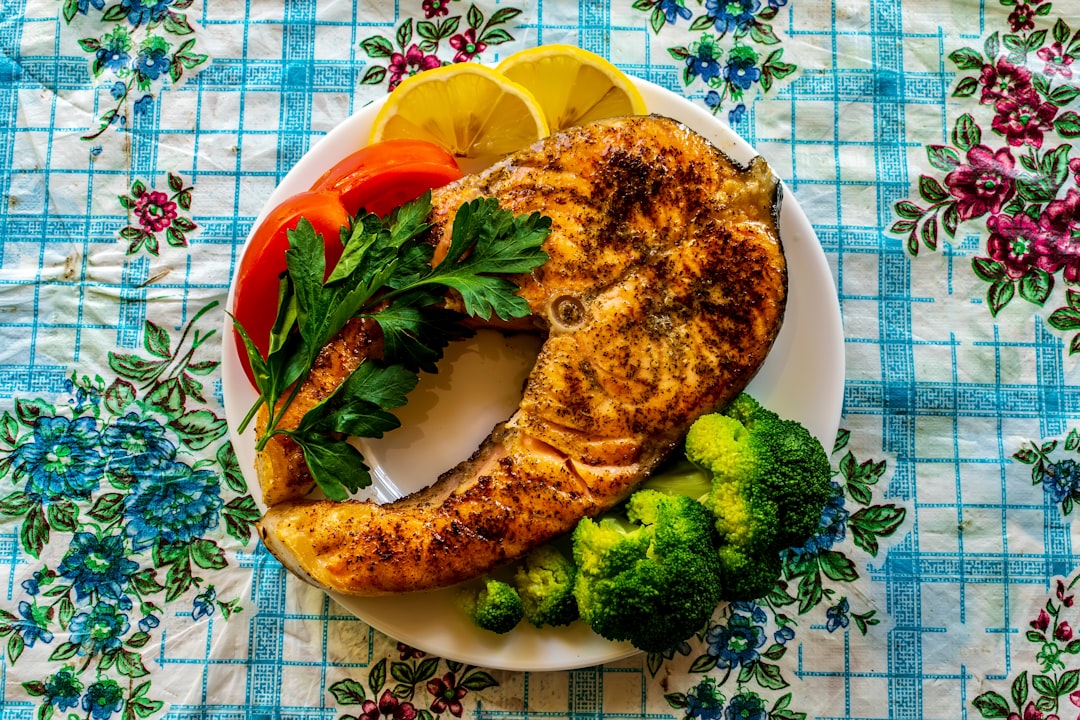
Choose sources like chicken, fish, eggs, and beans. Lentils and tofu are also excellent options. Think of adding grilled salmon to your lunch salad. Or, snack on a hard-boiled egg.
Navigating Ultra-Processed Foods
Be mindful of ultra-processed foods. These items often contain artificial ingredients and excess sugar, salt, and unhealthy fats. They offer little nutritional value.
Recent warnings highlight their danger. Cancer survivors eating more ultra-processed foods face serious risks. There’s a 48% higher all-cause death risk. They also have a 57% higher cancer-related death risk. This happens regardless of overall diet quality. So, choose fresh, whole options instead of packaged meals.
Recognizing Ultra-Processed Foods
Ultra-processed foods often come in colorful packaging. They include sugary drinks, packaged snacks, and many fast food items. Check ingredient lists for long, unfamiliar names. These are clues that a food is highly processed.
For example, choose an apple over a fruit-flavored snack bar. Opt for homemade soup instead of canned, ready-to-eat versions. Small swaps make a big difference.
Smart Food Choices for Long-Term Health
Making informed food decisions empowers your health journey. Every meal is an opportunity to nourish your body. Focus on balanced eating rather than strict elimination.
Healthy Fats and Oils
Include healthy fats in your diet. Olive oil is a great choice for cooking and dressings. Avocados and nuts also provide beneficial fats. These fats support heart health and reduce inflammation.
Instead of butter, use olive oil for sautéing vegetables. Add slices of avocado to your sandwiches. A small handful of almonds makes a satisfying snack.
Choosing Proteins Wisely
Opt for fish and poultry over red meat. This aligns with many dietary recommendations. Reducing red meat intake can be beneficial. It helps support long-term health.
Aim for fatty fish like salmon a couple of times a week. Baked chicken breast is a versatile and lean protein. Consider beans as a regular protein source in your meals.
Hydration and Meal Timing
Staying well-hydrated is critical. It helps with digestion and nutrient absorption. Hydration also combats fatigue, a common side effect. Water is your best choice.
Small, frequent meals can also help. This approach provides a steady energy supply. It can also ease digestive discomfort. Instead of three large meals, try five smaller ones.
The Benefits of Water
Water helps your organs function correctly. It carries nutrients and removes waste products. Keep a water bottle handy throughout the day. Sip regularly, even if you don’t feel thirsty.
Herbal teas are another good option. Avoid sugary drinks like soda. These contribute to health issues.
Planning Small, Frequent Meals
Eating small amounts more often stabilizes blood sugar. It can also manage nausea or appetite changes. Your body may tolerate food better this way.
For example, eat breakfast, a mid-morning snack, lunch, an afternoon snack, and dinner. Each meal or snack should include some protein. A piece of fruit with nut butter is a great snack.
Practical Tips for Everyday Eating
Integrating these changes into your daily life can feel overwhelming. Start small and be consistent. Focus on progress, not perfection.
Grocery Shopping Smart
Plan your meals before you shop. Make a list and stick to it. Focus on the perimeter of the grocery store. This is where fresh produce, lean meats, and dairy are typically found.
Buy seasonal fruits and vegetables. They are often fresher and more affordable. Read labels carefully to identify ultra-processed items. Look for whole ingredients.
Meal Preparation Strategies
Batch cooking can save time and effort. Prepare larger quantities of healthy dishes. Then, portion them out for meals throughout the week. This ensures healthy options are always available.
Chop vegetables ahead of time for stir-fries or salads. Cook a large batch of quinoa or brown rice. These can be easily added to various meals.
Balancing Treats and Enjoying Food
Healthy eating doesn’t mean never enjoying your favorite treats. It means finding balance. Occasional indulgence is perfectly fine. The key is moderation.
For example, enjoy a small piece of dark chocolate after dinner. Or, have a small slice of cake at a celebration. Don’t feel guilty about these moments. They are part of life.
Conclusion
Your journey after cancer is unique. Nutrition is a powerful ally in your recovery and well-being. By focusing on whole, plant-based foods, lean proteins, and smart hydration, you empower your body. Make conscious food choices, avoid ultra-processed items, and embrace a balanced lifestyle. These steps will strengthen your path to long-term health. Remember, every healthy choice is a step towards a vibrant future.
FAQs
What is the importance of diet after cancer?
A healthy diet after cancer is important for maintaining overall health, supporting the immune system, and reducing the risk of cancer recurrence. It can also help manage side effects of cancer treatment and promote a sense of well-being.
What are some dietary recommendations for cancer survivors?
Cancer survivors are encouraged to follow a balanced diet that includes a variety of fruits, vegetables, whole grains, lean proteins, and healthy fats. It is also important to stay hydrated and limit processed foods, red meat, and alcohol.
How can diet help manage side effects of cancer treatment?
Certain foods and dietary strategies can help manage common side effects of cancer treatment such as nausea, fatigue, and changes in appetite. For example, small, frequent meals, ginger, and bland foods can help with nausea, while staying hydrated and consuming nutrient-dense foods can combat fatigue.
Are there specific foods to avoid after cancer treatment?
While there are no specific foods that cancer survivors need to completely avoid, it is recommended to limit processed foods, red meat, and alcohol. It is also important to consult with a healthcare professional for personalized dietary recommendations based on individual health needs.
How can a registered dietitian help with post-cancer diet?
A registered dietitian can provide personalized nutrition counseling and support for cancer survivors. They can help create a well-balanced meal plan, address specific dietary concerns, and provide guidance on managing side effects of cancer treatment through diet.