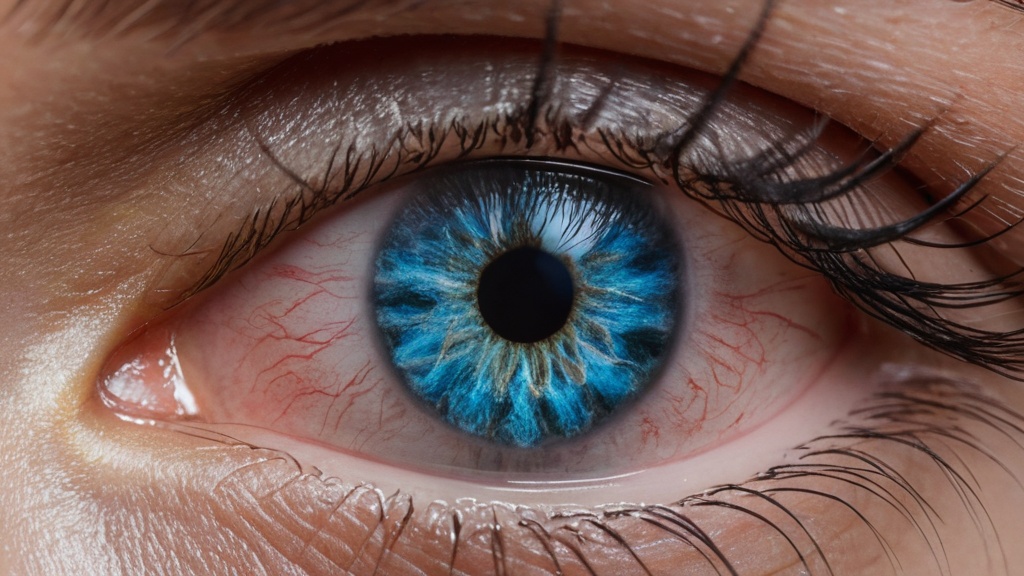

Imagine a world where hidden cures are waiting. Research is the key that unlocks these secrets. It helps us understand our bodies and fight diseases. Let’s explore how it works.
Research is a careful investigation. Scientists ask questions. They design studies to find answers. This quest for knowledge improves our lives.
Asking the Right Questions
The first step is curiosity. Scientists wonder “why?” or “how?” They might ask why some people get sick. They also want to know how certain treatments work. This curiosity drives discovery.
Designing the Study
Once they have a question, they plan. They decide who to study. They determine what data to collect. A good plan ensures reliable results. It’s like planning a recipe for success.
The Pillars of Scientific Discovery
Science relies on strong foundations. These pillars support trustworthy findings. They ensure new knowledge is sound. Without them, discoveries would be unreliable.
Evidence is Everything
Science demands proof. Researchers gather facts. These facts are called evidence. Strong evidence leads to confident conclusions. Weak evidence means more questions.
Reproducibility Matters
Other scientists must repeat studies. If they get the same results, it’s good. This shows the findings are real. It builds trust in the science. It’s like testing a new game. If everyone plays it the same way, it works.
Peer Review: A Quality Check
Before publishing, experts review work. They check for errors. They ensure the methods are sound. This peer review process guards quality. It’s a crucial step for accuracy.
How Research Benefits You Directly

Research isn’t just for labs. Its impact touches your daily life. It leads to better health for everyone. You benefit from its advancements daily.
New Medicines and Treatments
Think about common illnesses. Research found ways to treat them. Many diseases once deadly are now manageable. This progress is thanks to dedicated research.
Better Understanding of Health
We now know so much more. Research explains how our bodies function. It reveals how lifestyle affects health. This knowledge empowers us to make better choices. Eating healthy is one such choice.
Preventing Future Illnesses
Research also focuses on prevention. It helps identify risks. We learn how to avoid diseases. Vaccines are a prime example of prevention. They protect us from serious infections.
Types of Healthcare Research

Research takes many forms. Different approaches tackle different problems. Each type plays a vital role in advancing health.
Basic Research: The Foundation
This research explores fundamental principles. It seeks to understand life’s building blocks. It might study cells or genes. This knowledge forms the basis for other work. It’s like learning the alphabet before writing a story.
Clinical Research: Testing in People
This research involves human participants. It tests new drugs and therapies. It evaluates safety and effectiveness. Clinical trials are a key part of this. These trials help bring new treatments to patients.
Phases of Clinical Trials
Trials have distinct stages. Each phase answers specific questions.
Phase I: Focuses on safety. A small group receives the treatment. Doctors watch for side effects. They determine a safe dose.
Phase II: Looks at effectiveness. It tests if the treatment works. A larger group participates here. It compares the treatment to a placebo.
Phase III: Confirms effectiveness. It involves many more people. This phase compares the new treatment. It uses larger patient groups to confirm benefits. It also monitors side effects.
Phase IV: Post-market surveillance. This happens after approval. It monitors the treatment long-term. It gathers more data on real-world use.
Translational Research: Bridging the Gap
This research converts discoveries into practice. It moves findings from the lab to the clinic. It speeds up the process of helping patients. It’s the bridge from science to patient care.
The Research Process in Action
| Research Metrics | 2019 | 2020 | 2021 |
|---|---|---|---|
| Number of Research Projects | 25 | 30 | 35 |
| Research Funding (in millions) | 10 | 12 | 15 |
| Publications | 50 | 60 | 70 |
See how a discovery unfolds. It’s a structured and lengthy journey. Many steps are involved before patients benefit.
Identifying a Problem or Opportunity
It starts with a health challenge. This could be a disease. It could also be a symptom. Researchers see an unmet need.
Developing a Hypothesis
A hypothesis is an educated guess. It’s a testable prediction. For example, “This new drug will reduce blood pressure.”
Gathering Data
Researchers collect information. They observe, measure, and record. This data will test the hypothesis. Careful data collection is crucial.
Analyzing the Results
Scientists examine the gathered data. They look for patterns and trends. Statistical tools help interpret findings. This analysis tells them what the data means.
Drawing Conclusions
Based on analysis, they conclude. Does the data support the hypothesis? Or did it disprove it? This step summarizes the findings.
Sharing the Findings
Research must be shared. Scientists publish in journals. They present at conferences. This allows others to learn and build upon it.
How You Can Support Research Safely
You can contribute to advancing health. Many avenues exist for public involvement. Always choose reputable organizations.
Participating in Clinical Trials
If you are healthy, you can volunteer. Some trials need healthy individuals. Others recruit people with specific conditions. Always discuss with your doctor first. Ensure the trial is ethical.
Donating to Research Foundations
Many charities fund medical research. Choose well-regarded organizations. Their work supports scientists. Donations accelerate discoveries. This helps find treatments faster.
Advocating for Science Funding
Support policies that fund research. Scientific progress requires investment. Talk to your representatives. Encourage strong public funding for science.
Staying Informed and Sharing Knowledge
Be a critical consumer of health news. Rely on reputable sources. Share accurate information with others. Help combat misinformation. Knowledge empowers healthy choices.
Research is a powerful force. It drives progress and hope. Your understanding and support matter. Let’s continue unlocking its potential.
FAQs
What is research?
Research is a systematic investigation into a specific topic or issue in order to discover new information, establish facts, or reach new conclusions.
Why is research important?
Research is important because it helps to expand knowledge, solve problems, and make informed decisions. It also contributes to the development of new technologies, medicines, and innovations.
What are the different types of research?
There are several types of research, including basic research, applied research, quantitative research, qualitative research, and mixed methods research. Each type has its own specific approach and methodology.
How is research conducted?
Research is conducted through a series of systematic steps, including defining the research question, conducting a literature review, collecting and analyzing data, and drawing conclusions. Researchers use various methods and tools to gather and interpret information.
What are the ethical considerations in research?
Ethical considerations in research include obtaining informed consent from participants, ensuring confidentiality and privacy, minimizing potential harm, and disclosing any conflicts of interest. Researchers are also expected to adhere to ethical guidelines and standards set by professional organizations and regulatory bodies.