Imagine a vibrant life stretching far beyond your 60s. We all hope for healthy, fulfilling years as we age. Geriatric care helps make that a reality. It focuses on keeping you active and enjoying your best life. This specialized care is vital for older adults.
Geriatric care is medical care for older adults. It addresses unique health needs of aging. Doctors focus on prevention and management. They aim to maintain independence and quality of life.
What Makes Geriatric Care Special?
Older bodies change with age. Chronic conditions often develop. Geriatric doctors understand these changes. They treat the whole person, not just one illness. This holistic approach is key.
The Geriatric Team
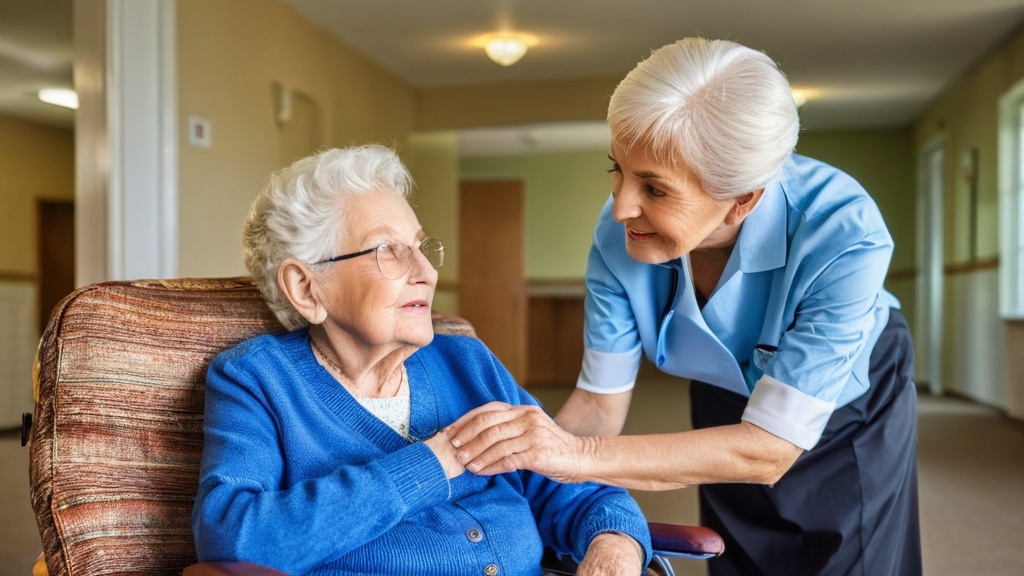
This team includes doctors and nurses. They might also include pharmacists. Social workers and therapists are often involved. Working together, they create a personalized plan. This ensures all needs are met.
Benefits Beyond Illness
Geriatric care improves more than just health. It supports emotional well-being. It helps maintain social connections. A healthy mind and social life are crucial. This care fosters a sense of purpose.
Evidence for Geriatric Care’s Impact
Studies show positive results. Geriatric intervention reduces hospital stays. It lowers medication errors. Patients report better health outcomes. They feel more in control of their lives. The American Geriatrics Society supports these findings.
Addressing Common Age-Related Changes
Aging brings natural physical and cognitive shifts. Geriatric care helps navigate these. It aims to slow decline and manage symptoms. Early intervention makes a big difference.
Physical Resilience
Mobility can change with age. Falls become a serious concern. Geriatric care assesses fall risk. It suggests strength exercises. For example, a simple wobble on the stairs can be scary. Physical therapy can help prevent falls. It improves balance and coordination.
Chronic Condition Management
Many older adults have multiple health issues. Think of diabetes and heart disease happening together. Geriatric doctors coordinate care for these conditions. They simplify medication plans. This prevents harmful drug interactions. It ensures treatments work well together.
Sensory Changes
Vision and hearing often decline. These changes affect daily life. Difficulty hearing a grandchild’s laughter is hard. Geriatric care can identify and treat these issues. Hearing aids or updated glasses help immensely. Maintaining these senses is important for engagement.
Cognitive Health
Memory and thinking can be affected by age. Geriatric care promotes brain health. It identifies early signs of cognitive decline. Lifestyle changes can support the brain. Regular mental activities are beneficial. This includes puzzles or learning new skills.
Promoting Independence and Autonomy

A core goal of geriatric care is keeping seniors independent. This means enabling them to live as they wish. It supports their ability to make decisions. Autonomy is vital for dignity.
Daily Living Activities
Geriatric care helps with everyday tasks. This includes bathing, dressing, and eating. For instance, getting dressed can become a challenge. Occupational therapists offer solutions. They provide adaptive equipment. This allows seniors to manage on their own.
Home Environment Modifications
Homes can be made safer and more accessible. Grab bars in bathrooms are a simple fix. Removing tripping hazards like rugs helps. These changes support living at home longer. They make daily routines easier.
Transportation and Social Access
Getting around is essential. Geriatric care can help find transport options. This could be public transport or ride services. Staying connected with friends and family matters. It combats loneliness and isolation. Access to social events is important.
Decision-Making Support
Older adults should control their healthcare. Geriatric teams explain options clearly. They respect patient choices. Advanced care planning is encouraged. This ensures their wishes guide their care. It empowers them to participate actively.
The Importance of Nutrition and Lifestyle
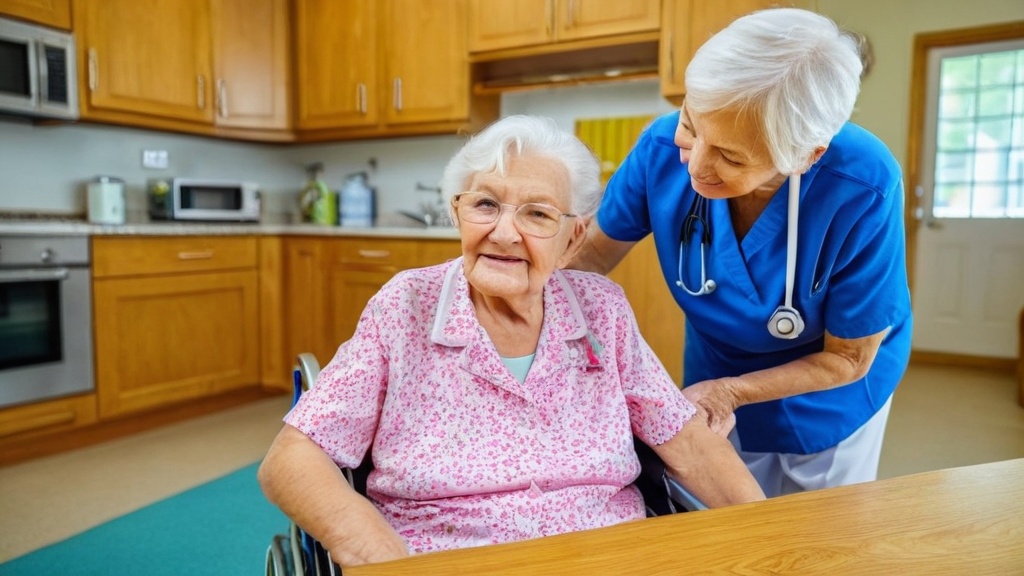
What we eat and how we live impacts aging. Geriatric care emphasizes healthy habits. Good nutrition fuels the body and mind. An active lifestyle prevents many problems.
Balanced Nutrition for Seniors
Older adults have specific dietary needs. They may need more protein or calcium. Flavor perception can change. Geriatric dietitians create tailored meal plans. This ensures adequate nutrient intake. It prevents malnutrition.
The Role of Physical Activity
Exercise is crucial for aging well. It maintains muscle strength. It improves bone density. Regular walks can be very effective. Even light activities help. They boost mood and energy levels.
Hydration Matters
Dehydration is a common risk for seniors. It can lead to confusion. It can worsen other health issues. Geriatric care promotes regular fluid intake. Water is the best choice. Offering drinks throughout the day helps.
Sleep Quality and Its Impact
Good sleep is vital for repair. It affects mood and cognition. Sleep patterns can change with age. Geriatric care addresses sleep disturbances. Creating a relaxing bedtime routine is beneficial. It promotes restful sleep.
Navigating Healthcare Systems
| Metrics | Data |
|---|---|
| Number of geriatric patients | 500 |
| Average length of stay | 10 days |
| Percentage of patients with dementia | 30% |
| Number of falls in the last month | 5 |
The healthcare landscape can be complex. Geriatric care simplifies this for seniors. They act as a guide through the system. This ensures they receive appropriate services. It reduces stress and confusion.
Coordinating Multiple Providers
Seniors often see many specialists. Geriatric doctors can coordinate this care. They share information between doctors. This prevents conflicting treatments. It ensures a united approach.
Medication Management
Older adults often take several medications. It is easy to get confused. Geriatric pharmacists review all prescriptions. They identify potential side effects. They simplify dosing schedules. This improves medication safety significantly.
Accessing Specialized Services
Geriatric care helps find needed resources. This includes physical therapy or home health aides. They connect patients with support groups. They ensure access to the best care available. This maximizes their health potential.
Preventive Health Strategies
Geriatric care prioritizes prevention. This includes regular screenings. Vaccinations are important too. It actively works to avoid illness. Catching problems early is always best. It leads to better outcomes.
Conclusion: A Roadmap to a Fuller Life
Geriatric care is more than just medicine. It is a philosophy of aging. It focuses on well-being and independence. It supports individuals as they age. It uses evidence-based practices. This approach helps seniors thrive. They can enjoy their later years with vitality. This specialized care offers a path to a richer life. Making informed choices about health is key. Geriatric care empowers these choices. It leads to longer, happier lives.
FAQs
What is geriatric care?
Geriatric care is a specialized healthcare service that focuses on the unique needs of older adults. It encompasses a wide range of services including medical care, social support, and assistance with daily activities.
What are the goals of geriatric care?
The goals of geriatric care are to optimize the health and well-being of older adults, prevent and manage age-related health conditions, promote independence and quality of life, and provide support for caregivers and family members.
What services are included in geriatric care?
Geriatric care services may include comprehensive medical assessments, medication management, physical therapy, occupational therapy, speech therapy, mental health counseling, social work services, assistance with activities of daily living, and coordination of care with other healthcare providers.
Who provides geriatric care?
Geriatric care may be provided by a team of healthcare professionals including geriatricians (doctors specializing in the care of older adults), nurse practitioners, physician assistants, physical therapists, occupational therapists, social workers, and other specialists.
What are the benefits of geriatric care?
The benefits of geriatric care include improved management of chronic health conditions, enhanced quality of life, reduced hospitalizations and emergency room visits, better coordination of care, support for family caregivers, and a focus on the unique needs and preferences of older adults.